


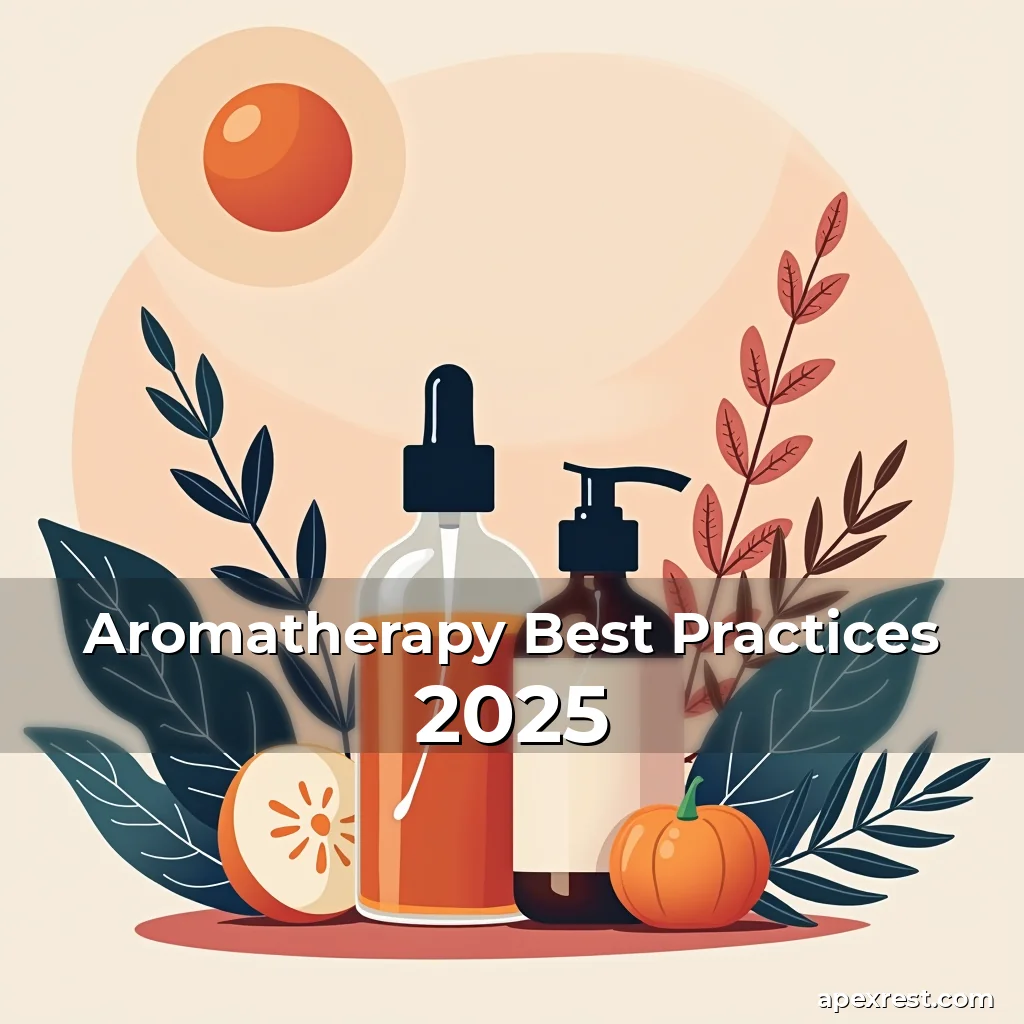
Aromatherapy Best Practices 2025
In 2025, aromatherapy continues to evolve as both a complementary therapy and lifestyle enhancement tool. With advancements in neuroscience and wellness technology, practitioners are adopting new techniques tailored to individual needs. This guide explores cutting-edge best practices for maximizing aromatic therapies’ potential.
The global aromatherapy market is projected to reach $6 billion by 2027, reflecting growing consumer interest in natural health solutions. Understanding current standards helps users make informed decisions about incorporating essential oils safely and effectively into their routines.
The Science Behind Aromatherapy Efficacy
Modern research validates aromatherapy’s impact through three primary mechanisms: olfactory stimulation, transdermal absorption, and emotional resonance. These pathways work synergistically to influence physiological responses across body systems.
Laboratory studies confirm that inhaling certain compounds triggers rapid changes in brain activity patterns. Specifically, terpenoids found in citrus oils activate limbic system regions associated with memory and emotion regulation. This explains why lemon oil often induces alertness while ylang-ylang promotes relaxation.
- Olfactory receptors detect volatile molecules in nasal passages
- Vaporized compounds travel to amygdala and hippocampus structures
- Transdermally absorbed substances enter bloodstream via capillaries
- Emotional associations shape therapeutic outcomes significantly
Functional MRI scans reveal distinct neural activation maps depending on aroma type. Lavender demonstrates calming effects by increasing alpha wave production, whereas rosemary enhances cognitive function through acetylcholine modulation.
Clinical trials now employ double-blind methodologies to isolate aromatherapy’s effects from placebo responses. Researchers standardize diffusion rates, room temperatures, and exposure durations to produce reproducible results.
Evidence-Based Application Techniques
Proper technique maximizes therapeutic effectiveness while minimizing risks. Diffusion concentration, application duration, and environmental factors all play critical roles in treatment success.
Diffuser usage requires precise control over output levels. Studies recommend maintaining air concentrations below 0.1% for optimal effects without sensory overload. Commercial diffusers often feature adjustable settings matching these guidelines.
Topical application demands careful dilution protocols. Essential oil blends typically require 2-3% carrier oil mixture for adults, adjusting lower for children and sensitive individuals. Patch tests remain mandatory prior to full-body application.
Massage therapists follow strict hygiene standards when combining aromatherapy with physical treatments. Clean linens, sterilized tools, and single-use applicators prevent cross-contamination between clients.
Bath immersion presents unique challenges due to water solubility differences. Most essential oils require emulsifiers for proper dispersion, with recommended soak times limited to 15 minutes to avoid dermal irritation.
Safety Protocols for Modern Users
Consumer awareness remains vital despite increased availability of pre-diluted products. Certain populations require special precautions when using aromatic therapies.
Pregnant women should consult obstetricians before using any essential oils. Research indicates that some compounds may affect fetal development, particularly during first trimester when organogenesis occurs.
Hypertensive patients must exercise caution with stimulating oils like grapefruit or peppermint. These can cause temporary blood pressure fluctuations requiring close monitoring.
Dermatological conditions necessitate modified approaches. Individuals with eczema or psoriasis benefit from gentle steam inhalations rather than direct skin contact with potent essences.
Children under six years old demand age-appropriate formulations. Pediatric guidelines specify safe dilution ratios and restrict access to potentially hazardous oils such as cinnamon bark or clove bud.
Personalizing Your Aromatherapy Experience
Individual variability dictates customization of aromatherapy regimens. Genetic predispositions, cultural background, and personal preferences all influence response profiles.
Molecular profiling technologies now enable targeted scent selection. Biometric sensors measure heart rate variability and cortisol levels to recommend appropriate essential oil combinations dynamically.
Cultural sensitivity plays a significant role in effective implementation. In Asian communities, sandalwood carries spiritual connotations beyond its relaxing properties, requiring contextual understanding for meaningful engagement.
Psychological assessments help identify optimal fragrance types. Personality inventories correlating with preferred aromas allow clinicians to prescribe tailored interventions for anxiety management or mood stabilization.
Regular feedback loops enhance treatment efficacy over time. Mobile apps tracking user experiences facilitate pattern recognition, enabling adjustments to dosage frequencies and blend compositions.
Industry Innovations Shaping the Field
Technological advances are revolutionizing aromatherapy delivery methods. Smart devices integrate scent therapy with home automation systems for seamless ambient control.
Nanotechnology enables microencapsulation of essential oil components, extending shelf-life and improving bioavailability. Encapsulated particles release active ingredients gradually upon skin contact.
Virtual reality platforms incorporate olfactory stimuli to enhance immersive experiences. Digital environments simulate forest walks with pine scent or ocean breezes infused with sea salt nuances.
AI-driven formulation software analyzes user data to generate personalized essential oil mixtures. Algorithms consider circadian rhythms, weather patterns, and seasonal variations in recommending scent profiles.
Let me know when you are ready to see the title I've come up with
Sustainable sourcing initiatives prioritize ethical harvesting of botanicals. Blockchain traceability ensures transparency in supply chains supporting fair trade practices for producers worldwide.
Therapeutic Applications Across Healthcare Settings
Healthcare institutions increasingly recognize aromatherapy’s role in patient care. Hospitals implement scent-based interventions to support recovery processes and reduce medication dependency.
Post-operative pain management incorporates lavender and chamomile blends shown to decrease analgesic requirements by up to 25%. These natural alternatives complement conventional pharmacologic treatments safely.
Chronic illness management programs utilize customized aromatherapy protocols. Asthma sufferers find relief through eucalyptus-infused steam inhalations reducing bronchial inflammation markers.
Neurological rehabilitation centers apply focused scent therapies to aid memory recall in dementia patients. Rosemary and basil demonstrate particular promise in enhancing cognitive retention capabilities.
Psychiatric facilities employ guided aroma sessions to manage symptoms of depression and bipolar disorder. Clinical trials indicate reduced relapse rates among participants receiving regular olfactory stimulation.
Fostering Community Engagement Through Aroma
Shared scent experiences strengthen social bonds and promote collective well-being. Group workshops teach participants to create harmonious fragrances benefiting entire communities.
Urban planners incorporate aromatics into public spaces design. Parks feature flowering plants emitting calming phytoterpenes, while transit hubs diffuse uplifting essences to alleviate commuter stress.
Corporate wellness programs leverage scent marketing principles to boost productivity and employee satisfaction. Offices using fresh citrus infusions report higher task completion rates compared to unscented counterparts.
Educational institutions develop curriculum modules exploring historical uses of fragrance in learning environments. Ancient texts reveal early educators employed incense to enhance memory retention during lessons.
Community gardens cultivate native aromatic species fostering local ecological knowledge. Residents learn sustainable harvest techniques preserving biodiversity while accessing therapeutic resources naturally.
Future Directions in Aromatic Therapies
Continued scientific investigation promises breakthroughs in aromatherapy applications. Emerging fields like neuropharmacology explore molecular interactions between odorants and neurotransmitter systems.
Genomic research identifies genetic polymorphisms influencing fragrance perception. These findings may lead to highly personalized scent prescriptions based on individual metabolic profiles.
Wearable technology tracks biometric data alongside olfactory inputs creating dynamic feedback loops. Real-time analysis adjusts scent intensity according to user physiology for optimized therapeutic outcomes.
Interdisciplinary collaborations merge aromatherapy with quantum physics theories examining vibrational medicine principles. Researchers investigate whether frequency patterns in essential oils correspond to cellular repair processes.
Global policy frameworks address regulatory challenges arising from evolving product innovations. Standardization efforts aim to establish clear quality benchmarks for novel aromatic delivery systems entering mainstream markets.
Conclusion
Aromatherapy remains a powerful tool for promoting holistic well-being in diverse contexts. As scientific validation increases, responsible integration becomes crucial to harnessing its full potential safely.
To maximize benefits, adopt evidence-based practices while remaining mindful of individual differences. Combine traditional wisdom with contemporary research to create personally meaningful aromatic experiences that enhance everyday life.


news is a contributor at ApexRest. We are committed to providing well-researched, accurate, and valuable content to our readers.
You May Also Like

Peaceful Home Environments: Essential Tools and Resources
Peaceful Home Environments: Essential Tools and Resources In an increasingly fast-paced world, creating a peaceful home environment has become essential...

Inflation falls to its lowest level in more than 3 years . Here what that means.
The report also showed that the core inflation rate, which excludes volatile food and energy prices, rose 4.2% year-over-year in...


The Transformative Power of Mindfulness: Cultivating Presence in a Distracted World
The Transformative Power of Mindfulness: Cultivating Presence in a Distracted World In an era defined by constant digital connectivity and...


The Quiet Revolution: Reclaiming Mental Wellness in Modern Life
The Quiet Revolution: Reclaiming Mental Wellness in Modern Life In an era defined by constant connectivity and relentless productivity demands,...