


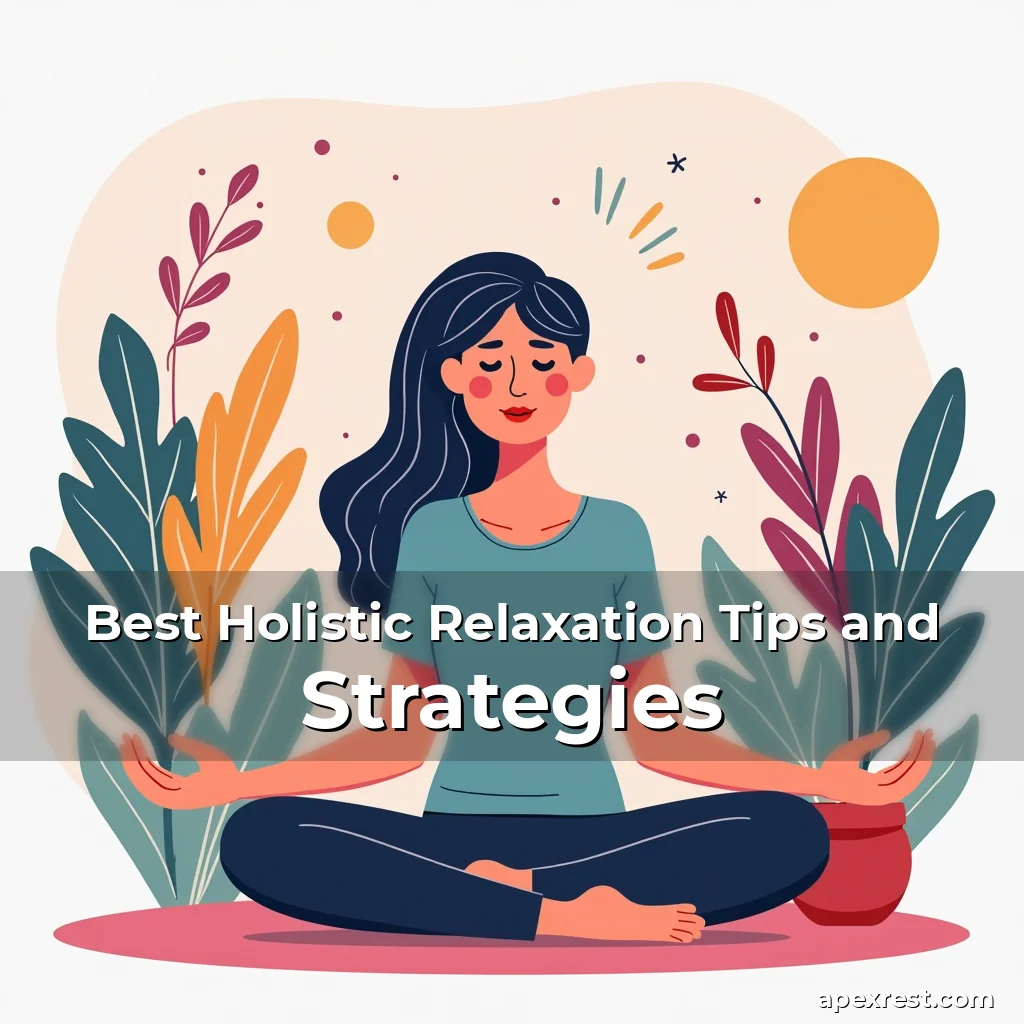
Unveiling the Art of Holistic Relaxation: Transform Your Mind, Body, and Spirit
Holistic relaxation is more than a fleeting moment of calm—it’s a transformative journey toward equilibrium. This practice integrates mind, body, and spirit to foster enduring peace amid today’s fast-paced world. Whether you’re navigating work deadlines, family responsibilities, or inner turmoil, embracing holistic methods offers a pathway to true serenity.
In our era of constant connectivity, chronic stress has become an uninvited companion for many. However, holistic relaxation provides a refreshing antidote. By nurturing the whole person rather than targeting symptoms alone, it empowers individuals to reclaim their vitality. From ancient traditions to cutting-edge science, this guide explores practical steps to unlock your innate capacity for deep rest and renewal.
Understanding the Foundations of Holistic Relaxation
The term ‘holistic’ derives from the Greek word *holos*, meaning ‘entire.’ In contrast to fragmented approaches, holistic relaxation acknowledges interconnections among physical, emotional, psychological, and spiritual domains. When one aspect thrives, so do the others—a principle central to this practice.
This philosophy rejects quick fixes in favor of sustainable change. Rather than relying solely on medication or temporary escapes, holistic relaxation encourages cultivating habits that nourish all facets of well-being. Simple daily rituals can gradually rewire neural pathways associated with anxiety and fatigue.
Ancient wisdom forms the backbone of contemporary holistic practices. Ayurveda, Traditional Chinese Medicine, and indigenous teachings have long emphasized harmony with nature and self-awareness. Modern neuroscience now validates these age-old insights, revealing measurable physiological changes linked to consistent relaxation techniques.
- Balance: True relaxation arises when opposing forces—activity/rest, thought/feeling—are harmonized
- Sustainability: Effective methods require ongoing commitment, not occasional indulgence
- Celestial Influences: Lunar cycles and seasonal shifts affect human physiology, influencing optimal times for deep relaxation
- Mind-Body Dialogue: Physical tension often mirrors emotional distress; resolving one helps heal the other
The Core Principles Behind Effective Practices
At its heart, holistic relaxation rests on five foundational pillars. Second, **intentionality** ensures purposeful engagement with practices rather than passive participation. Third, **interconnectedness** reminds us that individual well-being impacts communities. Fourth, **balance** prevents extremes of activity or stillness. Lastly, **sustainability** guarantees long-term success over fleeting respite.
Cultivating these principles demands patience and presence. Unlike rushed productivity models, holistic growth unfolds organically. For example, regular reflection through journaling develops self-awareness while gentle stretching relieves muscular tension caused by prolonged sitting.
Modern Applications of Timeless Wisdom
Research shows that people who incorporate traditional relaxation methods report enhanced resilience. A study published in *Journal of Alternative Medicine* found participants practicing qigong experienced 40% less burnout after six weeks compared to controls. Similarly, those following Ayurvedic routines reported improved sleep quality and digestion.
Interestingly, digital detoxes align perfectly with holistic goals. While technology connects us globally, excessive screen time disrupts natural circadian rhythms. Replacing 30 minutes of scrolling with a walk in nature restores both mental clarity and physical energy levels.
Integrating Mindfulness Into Daily Life
Mindfulness lies at the core of holistic relaxation. More than meditation, it encompasses present-moment awareness applied to routine tasks. When washing dishes or commuting, focusing fully transforms mundane actions into moments of tranquility.
Techniques vary widely but share common elements. Breathing exercises regulate autonomic nervous system responses, while body scans promote somatic awareness. Even brief pauses—to observe surroundings or savor food—cultivate mindfulness muscle memory.
Consistency matters most. Regular practice rewires brain regions responsible for attention and emotion regulation. Neuroscientists now confirm that sustained mindfulness alters gray matter density in areas related to learning, empathy, and self-control.
Essential Mindfulness Techniques for Beginners
Start small with simple anchors: breathe consciously during conversations, notice sensations in hands while typing, track thoughts without judgment. These micro-practices build foundation for deeper exploration later.
Gradually introduce formal sessions—beginning with 5-minute breath focus periods twice daily. As confidence grows, explore guided visualizations or loving-kindness meditations. Remember, progress occurs incrementally rather than through immediate mastery.
Track improvements objectively. Notice reductions in irritability, increased patience, or fewer reactive thoughts. Celebrate small victories as indicators of neurological transformation occurring beneath surface level.
Physical Wellbeing Through Movement and Nutrition
Bodily health deeply influences mental states. Chronic inflammation links to anxiety disorders, underscoring the necessity of active lifestyles. Moderate-intensity exercise releases endorphins that naturally counteract stress hormones like cortisol.
Variety sustains interest and maximizes benefits. Incorporate diverse movements—including strength training, flexibility work, and cardiovascular activities—for comprehensive development. Yoga combines postures with conscious breathing, offering dual advantages.
Nutrition serves as fuel for relaxation efforts. Foods rich in magnesium (leafy greens, nuts), omega-3 fatty acids (fatty fish, flaxseeds), and B-vitamins (whole grains, eggs) support nervous system function. Conversely, processed sugars and refined carbs exacerbate mood swings.
- Kundalini Flow: Dynamic sequences blend movement with pranayama techniques for heightened oxygenation
- Tai Chi Fundamentals: Slow-motion martial arts enhance balance and internal energy circulation
- Dance Therapy: Expressive motion fosters emotional release while improving coordination
- Walking Meditation: Combines aerobic benefits with mindfulness cultivation along scenic routes
Emotional Healing and Self-Care Rituals
Suppressed emotions manifest physically, often contributing to tension headaches or gastrointestinal issues. Healthy coping mechanisms allow processing feelings without destructive behaviors. Journaling, art creation, and music therapy provide safe outlets.
Ritualization adds power to self-care. Establishing routines creates anticipation—the act itself becomes relaxing. Prepare a special tea ritual with favorite herbs, or designate a sacred space for reading and reflection.
Boundaries protect energetic reserves. Learning to say ‘no’ preserves mental bandwidth while affirmations reinforce positive self-image. Both are crucial components of holistic maintenance regimens.
Building Emotional Resilience
Resilience develops through repeated exposure to manageable challenges. Set achievable targets for emotional growth—such as expressing vulnerability once weekly or practicing gratitude daily. Track progress in private records or digital apps designed for mental health tracking.
Professional guidance proves invaluable for complex emotional landscapes. Therapies like EMDR address trauma effectively, while CBT equips individuals with new cognitive frameworks. Medication may complement these approaches when necessary.
Support networks amplify effectiveness. Joining peer groups or participating in workshops fosters communal healing. Mutual encouragement strengthens commitment to maintaining emotional wellbeing.
Breathwork and Sound Therapy for Deep Relaxation
Diaphragmatic breathing activates parasympathetic response, inducing profound calm. Practice inhaling slowly through nose, allowing abdomen to rise, then exhale gently through mouth. Counting exhalations reinforces rhythm control.
Box breathing balances respiratory patterns: Inhale-four, hold-four, exhale-four, hold-four. Repeat cycles until feeling centered. This technique stabilizes heart rate variability, critical for stress management.
Sound vibrations influence cellular structures. Singing bowl tones generate harmonic frequencies that resonate with bodily tissues. Listen attentively to identify which pitches produce strongest relaxation effects personally.
- Binaural Beats: Specialized audio tracks induce theta-wave states associated with deep meditation
- Vocal Toning: Chanting OM or humming promotes vagus nerve stimulation
- Gongs: Full-bodied resonance resets electromagnetic fields surrounding the body
- Tibetan Bowls: Specific notes target particular chakras for energetic alignment
Nature Connection and Environmental Harmony
Ecotherapy leverages natural settings to restore psychological balance. Forest bathing—an immersive experience involving all senses—lowers blood pressure and boosts immunity. Studies show forest air contains phytoncides that kill bacteria while enhancing alertness.
Urban dwellers benefit similarly from rooftop gardens or city parks. Engaging in gardening activates reward centers while providing tactile gratification from growing plants. Even window boxes with succulents contribute to environmental harmony indoors.
Seasonal shifts impact mental states, necessitating adaptive strategies. Winter depression responds well to light therapy, whereas summer requires shaded resting spots. Aligning activities with lunar phases further synchronizes biological clocks.
Indoor Nature Integration
Create sanctuaries incorporating natural elements. Use wooden furniture, houseplants, and stone accents to mimic outdoor textures. Diffuse citrus oils for invigorating moods or lavender scents for calming effects.
Maximize daylight exposure through strategically placed windows. Morning sunlight regulates melatonin production, crucial for healthy sleep-wake cycles. Evening dimming reduces blue light interference with circadian rhythms.
Water features—real or simulated—enhance relaxation. Fountains generate soothing white noise while humidifying dry air. Calming imagery of flowing water improves focus and decreases stress hormone secretion.
Sleep Hygiene and Circadian Rhythm Alignment
Quality sleep forms cornerstone of holistic wellness. Optimal sleep architecture involves REM and non-REM cycles regulated by internal biological clock. Disrupting this pattern through late-night screen use impairs recovery processes.
Establish pre-sleep rituals signaling relaxation. Warm baths, herbal teas, and candlelight help transition from awake state to rest mode. Avoid heavy meals close to bedtime since digestion competes with sleep functions.
Light exposure plays pivotal role. Daytime brightness suppresses melatonin, promoting wakefulness. Artificial lights at night disrupt this process, leading to insomnia and daytime fatigue. Smart bulbs mimicking sunrise/sunset aid recalibration.
- Lunar Influence: Full moons correlate with poorer sleep quality due to increased light exposure
- Circadian Shifts: Jet lag demonstrates sensitivity of biological clocks to external cues
- Temperature Regulation: Cool bedrooms optimize thermoregulation during sleep
- Nocturnal Soundscape: White noise machines mask disruptive auditory stimuli
Digital Detox and Conscious Technology Use
Screen-induced fatigue results from relentless notifications fragmenting concentration. Implement “tech free zones”—specific rooms or times devoid of electronic devices. Designated areas like kitchens or bathrooms prevent unconscious phone checking.
App blockers assist mindful consumption. Schedule device lockouts during peak relaxation hours, such as evenings or midday naps. Utilize built-in iOS Screen Time features to monitor usage patterns objectively.
Foster offline hobbies requiring full attention. Reading paper books, painting, playing musical instruments—all cultivate focused awareness absent from digital experiences. These activities strengthen executive functioning capabilities.
Purposeful Social Media Engagement
Redefine online interactions as curated experiences rather than compulsive habit. Follow accounts aligned with wellness goals, unsubscribing from negative feeds. Limit daily viewing durations using timers or alarm alerts.
Replace endless scrolling with scheduled check-ins—perhaps 10 minutes morning and evening only. Prioritize meaningful exchanges over aimless browsing, transforming social media from distraction tool to empowerment platform.
Select platforms based on values. Apps supporting mental health initiatives or community building efforts prove particularly beneficial. Always maintain control through privacy settings and notification filters.
Community Support and Shared Experiences
Relational bonds significantly influence stress management outcomes. Humans thrive in connected environments, suggesting that isolation worsens psychological strain. Seeking out like-minded individuals amplifies collective healing power.
Join local wellness circles offering varied activities—from yoga classes to cooking demonstrations. Shared knowledge increases motivation while diverse perspectives enrich individual approaches to relaxation.
Virtual communities extend reach beyond geographical limitations. Online discussion boards facilitate global exchange of ideas, though face-to-face interaction remains irreplaceable for deepening relationships.
- Meditation Groups: Collective mindfulness practices enhance focus and accountability
- Wellness Retreats: Immersive experiences accelerate integration of new habits
- Peer Support Networks: Confidential sharing environments reduce stigma around seeking help
- Coaching Programs: Personalized guidance tailors strategies to individual needs
Conclusion
Holistic relaxation emerges as powerful yet accessible solution to modern stress. Integrating mind-body-emotion-spirit dimensions unlocks potential for profound transformation. By adopting scientifically supported practices rooted in ancestral wisdom, anyone can develop resilient inner resources.
Begin with small experiments in various categories explored herein—track results systematically. Over time, let intuitive understanding emerge alongside empirical evidence. Ultimately, your path will reveal itself through persistent curiosity and openness to discovery.


news is a contributor at ApexRest. We are committed to providing well-researched, accurate, and valuable content to our readers.
You May Also Like

Best Mindfulness Tips and Strategies
The Transformative Power of Mindfulness: Cultivating Presence in Everyday Life Mindfulness is not merely a trend but a profound practice...
Common Stress Relief Mistakes to Avoid
Common Stress Relief Mistakes to Avoid In today’s fast-paced world, stress has become an almost inevitable part of life. From...
The Alchemy of Comfort: Crafting Spaces That Nurture Mind and Body
The Alchemy of Comfort: Crafting Spaces That Nurture Mind and Body In an era defined by constant motion and digital...

New Olympia Flower Shop , The Flower + Vine , Earns Thurston Green Small Business Award, etc.
Genevieve Ruth’s journey to becoming a successful entrepreneur began with a simple idea: to create a line of lavender-infused products....