


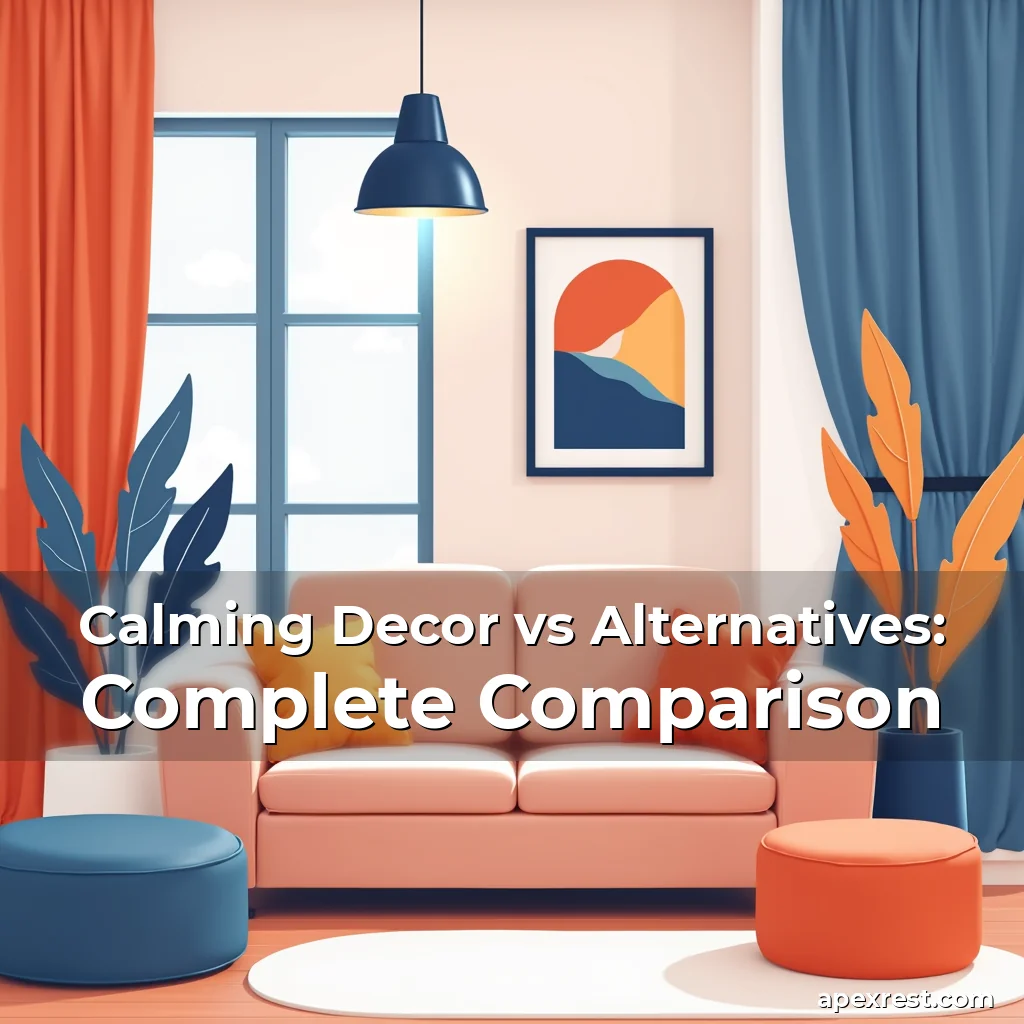
Calming Decor vs Alternatives: Complete Comparison
In today’s fast-paced world, creating a space that promotes relaxation is more crucial than ever. Calming decor has emerged as a popular solution for individuals seeking tranquility at home, offering an alternative to high-stimulation environments. This comparison explores how calming decor stacks up against other methods of achieving serenity.
The rise of wellness culture has brought attention to environmental factors that influence mental well-being. As people become increasingly aware of their surroundings’ impact on stress levels, they are turning toward interior design choices that foster peace and calmness.
The Science Behind Calming Spaces
Research indicates that our physical environment significantly influences emotional states. Studies have shown that certain colors, lighting conditions, and spatial arrangements can either enhance or diminish feelings of anxiety and tension. Understanding these principles allows us to create spaces tailored for relaxation.
The human brain processes visual stimuli constantly, which means every element within our living areas contributes to overall mood regulation. From furniture placement to color palettes, each choice affects psychological comfort and emotional equilibrium.
- Biological response: Soft lighting reduces cortisol production, while natural light boosts serotonin levels.
- Cognitive effects: Minimalist layouts decrease cognitive overload by reducing sensory input.
Color Psychology in Calming Interiors
Colors play a pivotal role in shaping perceptions and emotions. Warm hues like yellow and orange promote energy but may not be ideal for restful spaces. Conversely, cool tones such as blues and greens are associated with calmness and relaxation when used appropriately.
Neutral shades like beige and gray offer versatility without overwhelming the senses. These colors act as a backdrop, allowing other elements like plants or artwork to take center stage without causing visual fatigue.
- Blue: Linked to trust and stability; effective for bedrooms and meditation rooms.
- Green: Symbolizes growth and renewal; beneficial for workspaces requiring focus.
Natural Elements and Their Impact
Incorporating nature into interior design has proven benefits for mental health. Plants, water features, and organic materials bring life indoors, promoting biophilic design principles that connect occupants with the outdoors.
Biophilic design elements reduce stress and increase productivity by mimicking natural environments. Even small additions like indoor foliage or stone accents can transform a room into a soothing retreat from urban chaos.
- Plants: Improve air quality and add aesthetic value through varied textures and forms.
- Wooden furnishings: Provide warmth and grounding qualities often missing in modern interiors.
Lighting Strategies for Relaxation
Proper lighting is essential in crafting a serene atmosphere. Natural daylight offers numerous health benefits, including regulating circadian rhythms and improving mood. When supplemented with appropriate artificial lighting, we can maintain a balanced ambiance throughout different times of day.
Layered lighting approaches allow flexibility in adjusting brightness according to activity needs. Combining ambient, task, and accent lights creates depth and dimensionality while maintaining control over overall illumination levels.
- Ambient lighting: Provides general illumination using soft sources like lamps or ceiling fixtures.
- Task lighting: Focuses light where it’s needed most, such as reading areas or kitchen countertops.
Spatial Arrangement Techniques
The layout of a room greatly affects its functionality and comfort level. Open floor plans encourage social interaction but may feel chaotic if not carefully planned. Thoughtful organization ensures flow between zones without sacrificing personal space or privacy.
Furniture arrangement plays a critical role in determining movement patterns and visual balance. Placing larger pieces strategically helps define separate areas while keeping pathways clear and unobstructed for easy navigation.
- Zoning strategies: Divide open spaces into functional areas using rugs, shelves, or decorative screens.
- Mirrors: Reflect light and create illusion of expanded space, making rooms appear more inviting.
Textural Contrast and Material Choices
Varying textures adds interest without overwhelming the senses. Mixing smooth surfaces with rougher ones introduces tactile experiences that engage multiple senses simultaneously. Carefully curated combinations prevent monotony while enhancing visual appeal.
Material selection impacts both aesthetics and practicality. Choosing durable yet comfortable fabrics for seating encourages lounging, whereas glossy finishes might reflect too much light depending on desired effect.
- Rugs: Add softness underfoot and provide visual contrast against hard flooring options.
- Woven baskets: Offer storage solutions with organic shapes that complement minimalist themes.
Personalization Without Overstimulation
While individual expression matters, excessive decoration can lead to sensory overload. Finding harmony between personality traits and design preferences requires careful consideration of what truly supports mental well-being rather than merely expressing taste.
Curated collections of meaningful items help personalize spaces authentically without cluttering them unnecessarily. Selecting pieces based on their ability to evoke positive memories enhances emotional connection to the environment.
- Artwork: Choose abstract pieces with muted tones instead of bold statements that demand immediate attention.
- Photographs: Display images that inspire peace rather than those depicting stressful events or crowded scenes.
Comparative Analysis: Calming Decor vs Other Approaches
Different techniques exist for achieving inner peace, ranging from technological interventions to traditional practices. Comparing calming decor with alternatives reveals strengths and limitations across various domains related to relaxation.
Technological aids like white noise machines or smart thermostats offer convenience but lack the holistic approach provided by intentional interior design choices. They address specific issues rather than transforming entire living environments comprehensively.
- White noise devices: Help mask disruptive sounds effectively but don’t contribute visually or emotionally beyond auditory function.
- Smart climate systems: Regulate temperature efficiently yet fail to incorporate broader aspects of wellbeing through design elements.
Evaluating Traditional Methods
Traditional relaxation methods include mindfulness exercises, aromatherapy, and sound therapy. While highly effective individually, integrating them seamlessly with contemporary lifestyles presents challenges due to time constraints and accessibility concerns.
Modern adaptations aim to bridge gaps between ancient wisdom and current demands. Incorporating scent diffusers alongside elegant décor maintains cultural heritage while aligning with present-day aesthetic sensibilities.
- Aromatherapy: Utilize essential oils known for calming properties like lavender or chamomile in conjunction with pleasant visuals.
- Soundscapes: Integrate gentle background music or nature sounds through discreet audio equipment placed thoughtfully around the house.
Cost Considerations and Accessibility
Creating a tranquil space doesn’t always require significant financial investment. Many cost-effective strategies involve reorganizing existing possessions rather than purchasing new items outright. Prioritizing essentials first then gradually adding enhancements makes budget management easier.
Accessibility extends beyond monetary aspects – considering mobility requirements or sensory sensitivities ensures inclusivity regardless of age or condition. Simple modifications like adjustable height furniture support diverse user needs comfortably.
- DIY projects: Repurpose old objects creatively to decorate affordably without compromising style.
- Community resources: Libraries often host workshops teaching sustainable decorating skills useful for long-term maintenance.
Long-Term Benefits of Sustainable Design Practices
Sustainable decorating fosters resilience against changing trends while supporting ecological responsibility. Using eco-friendly products minimizes environmental harm while contributing positively towards global sustainability goals.
Investing in quality over quantity reduces waste generated from frequent replacements. Durable materials chosen initially last longer, decreasing need for regular purchases that could strain finances later on.
- Recycled materials: Opt for furniture made from reclaimed wood or recycled plastics whenever possible.
- Limited consumption: Adopt slow fashion principles applied to home goods by buying fewer things that endure better over time.
Trends Shaping Future of Calming Spaces
Current design movements emphasize minimalism paired with personalized touches reflecting true self-expression. Balancing simplicity with uniqueness becomes key challenge designers face moving forward.
Emerging technologies promise greater customization possibilities through AI-assisted styling recommendations tailored specifically to individual tastes and preferences. Virtual reality applications enable testing out different configurations before committing physically.
- AI integration: Smart assistants analyze user behavior patterns suggesting optimal layouts dynamically adjusted automatically.
- Virtual staging tools: Allow experimenting with virtual mockups helping visualize final outcomes accurately prior actual implementation.
Conclusion
This analysis highlights how deliberate design decisions shape our daily experiences profoundly. By understanding underlying mechanisms influencing human perception, we gain power to curate living environments aligned precisely with personal needs and aspirations.
Ultimately, choosing calming decor involves conscious effort focused on nurturing mental clarity and emotional stability consistently. With thoughtful application of learned insights, anyone can cultivate peaceful havens wherever they reside safely and comfortably.


news is a contributor at ApexRest. We are committed to providing well-researched, accurate, and valuable content to our readers.
You May Also Like

Mental Wellness for Small Spaces
Mental Wellness for Small Spaces In today's fast-paced world, mental wellness has become an essential aspect of overall health. The...
Stress Relief on a Budget: Money-Saving Tips
Understanding the Roots of Stress: Why It Matters To address stress effectively, it’s vital to understand its sources. Chronic stress...

Women'S Day: Indulge In Wellness & Luxury At Exquisite Retreats!
Luxurious escapes for women in India's top resorts and retreats. Whether you're looking to unwind, recharge, and rediscover yourself, these...


The Science of Serenity: Unlocking Deep Relaxation Through Mindful Practices
The Science of Serenity: Unlocking Deep Relaxation Through Mindful Practices In an era defined by constant connectivity and relentless productivity...