
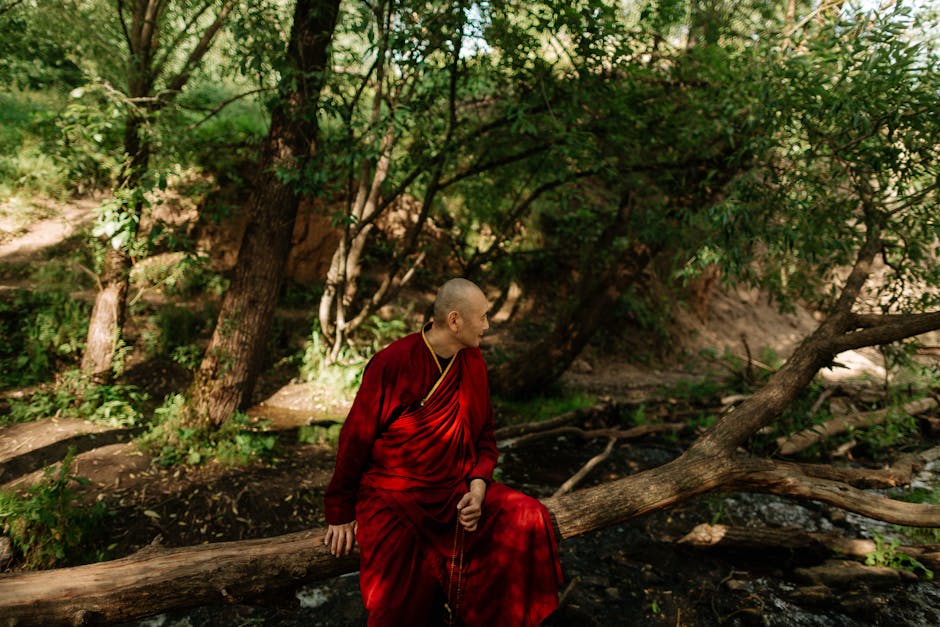
Finding Solace in Silence: A Comprehensive Exploration of Quiet Retreats for Modern Minds
In an era dominated by constant connectivity, noise pollution, and information overload, the concept of a “quiet retreat” offers a compelling antidote. These sanctuaries serve as havens for reflection, reconnection, and rejuvenation, appealing particularly to individuals seeking respite from the frenetic pace of contemporary life.
The significance of quiet retreats extends beyond mere leisure; they represent intentional spaces designed to foster mental clarity, emotional balance, and spiritual renewal. Whether nestled in remote natural landscapes or curated urban enclaves, these escapes cater to diverse needs across cultures and generations.
Understanding the Essence of Quiet Retreats
A quiet retreat transcends traditional vacation models by prioritizing introspection over entertainment. Unlike conventional holidays centered on sightseeing or social activities, these experiences emphasize solitude, mindfulness practices, and minimal external stimuli.
This deliberate separation from daily routines allows participants to engage deeply with themselves through meditation, journaling, reading, or creative expression. Such environments often incorporate design elements that enhance tranquility, including soundproofed rooms, ambient lighting, and organic materials.
- Nature Integration: Many retreat centers strategically locate themselves near forests, mountains, or coastal areas to leverage the calming effects of natural surroundings.
- Sensory Moderation: Architects frequently employ acoustic treatments and low-lighting strategies to minimize auditory and visual distractions inherent in modern living spaces.
Historical Evolution of Quiet Spaces
The origins of structured quiet retreats trace back centuries, rooted in monastic traditions and philosophical teachings. Ancient Buddhist monasteries and Zen gardens exemplified early forms of intentional silence aimed at cultivating wisdom and inner peace.
During the Enlightenment period, European intellectuals began advocating for solitary study sessions known as “retreats,” emphasizing intellectual development alongside personal growth. This duality persists in modern retreat programs combining academic pursuits with contemplative practices.
Renaissance of Silent Practices
Contemporary interest in silent retreats surged dramatically in the late 20th century alongside the rise of mindfulness movements. Research studies published in journals like JAMA Psychiatry demonstrated measurable cognitive improvements among participants engaged in extended periods of silence.
Pioneering organizations such as Plum Village in France and Insight Meditation Society in Massachusetts formalized silent retreat structures, establishing protocols that remain influential today. Their methodologies continue shaping current offerings worldwide.
Modern Relevance in Digital Age Contexts
As technology saturation reaches unprecedented levels, quiet retreats emerge as essential countermeasures against chronic stress and attention fragmentation. Neuroscientists note that prolonged screen exposure disrupts circadian rhythms and impairs executive functioning capacities.
Retreat organizers increasingly address these concerns by implementing tech-free policies, encouraging attendees to disconnect from devices entirely. Some facilities provide designated times for digital detoxes before reintroducing limited access post-retreat.
Varieties of Contemporary Quiet Retreat Experiences
Today’s market offers diverse options tailored to individual preferences and goals. From minimalist cabin rentals to luxury wellness resorts, the spectrum reflects evolving consumer demands and therapeutic advancements.
Categorically, retreats fall into three primary formats: immersive nature-based experiences, culturally rich heritage sites, and technologically enhanced mindfulness hubs. Each type caters to distinct psychological and physiological needs.
- Natural Sanctuaries: Locations featuring forest bathing trails, hot springs, and wildlife observation zones promote biophilic engagement crucial for reducing cortisol levels.
- Cultural Heritage Sites: Historic temples, monasteries, and art museums provide contextual depth when exploring spiritual or artistic dimensions of self-discovery.
- Tech-Enhanced Environments: Facilities utilizing biofeedback monitors, EEG headsets, and VR simulations enable scientific exploration of consciousness expansion techniques.
Selecting the Optimal Quiet Retreat Experience
Evaluating retreat options requires careful consideration of personal objectives, budget constraints, and accessibility factors. Prospective participants should assess whether their primary goal is relaxation, skill acquisition, or profound transformation.
Reputable certification bodies like the Global Association for Integrative Medicine verify program quality standards. Reviewing participant testimonials and consulting with healthcare professionals can further refine selection criteria.
Geographical Considerations
Location choices significantly impact the retreat experience. Rural settings offer unparalleled seclusion but may lack medical infrastructure, whereas urban locations provide greater convenience albeit with potential sensory distractions.
Seasonal variations influence availability and ambiance. Winter retreats in snowy mountain regions contrast sharply with summer beachside escapes, each offering unique atmospheric advantages for different therapeutic purposes.
Experiential Components of Effective Quiet Retreats
Successful retreat designs integrate multifaceted approaches addressing physical well-being, emotional processing, and cognitive enhancement simultaneously. Holistic practitioners emphasize synergy among various modalities rather than isolated interventions.
Typical components include guided meditations, yoga sessions, nutritional workshops, and group discussions facilitated by trained mentors. Personalized schedules allow flexibility while maintaining core therapeutic principles.
Challenges and Ethical Considerations
While beneficial for many, quiet retreats present logistical hurdles for certain populations. Accessibility issues arise regarding transportation, accommodation adaptations, and language barriers affecting international travelers.
Mental health professionals caution against unregulated retreats promoting extreme isolation or unrealistic expectations. Responsible providers implement screening processes to identify suitable candidates and establish emergency response systems.
Evolving Trends in Quiet Retreat Design
Emerging technologies reshape retreat landscapes through innovations like AI-driven personalized coaching platforms and virtual reality immersion modules. These tools augment traditional methods without compromising authenticity.
Sustainability initiatives gain prominence as eco-conscious travelers prioritize carbon-neutral operations. Renewable energy sources, zero-waste policies, and regenerative agriculture practices become standard features distinguishing forward-thinking establishments.
Conclusion
Quiet retreats occupy a vital space in modern holistic wellness paradigms, providing necessary pauses in our hyperconnected lives. Their enduring appeal lies in offering structured opportunities for authentic presence, self-inquiry, and meaningful connection with oneself.
To fully benefit from a quiet retreat experience, approach preparation mindfully. Establish clear intentions, research thoroughly, and embrace the journey with openness to unexpected revelations about yourself and the world around you.