


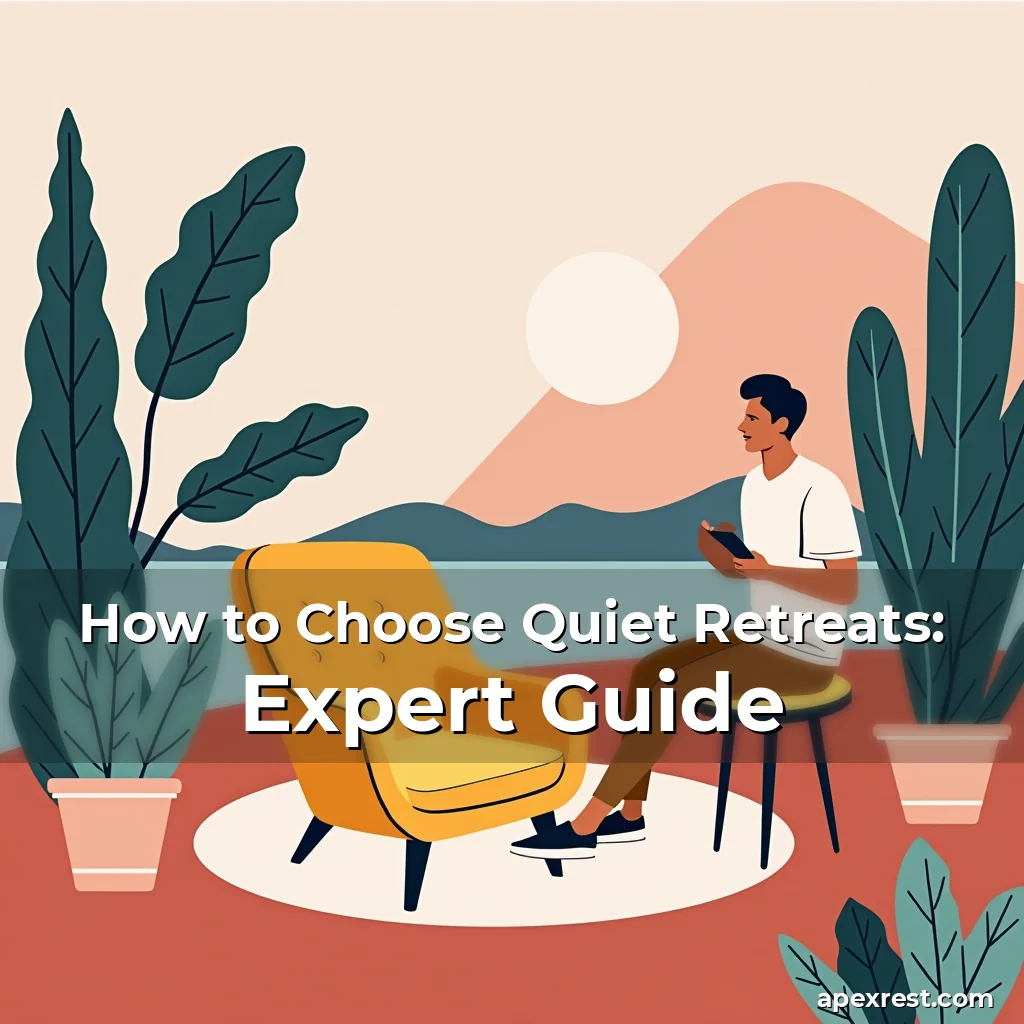
How to Choose Quiet Retreats: Expert Guide
In today’s fast-paced world, finding solace in a quiet retreat has become increasingly vital for mental well-being. These sanctuaries offer respite from daily stressors, allowing individuals to reconnect with themselves and nature.
A well-chosen quiet retreat can transform your life by fostering mindfulness, creativity, and inner peace. Whether you seek solitude or spiritual renewal, selecting the right location is key.
The Essence of Quiet Retreats
Quiet retreats are designed spaces that promote tranquility through natural surroundings and minimal external stimuli. They often feature serene landscapes such as forests, mountains, or coastal areas.
These environments encourage introspection and self-discovery. Many people find that immersing themselves in nature enhances their emotional resilience and clarity of thought.
- Natural Elements: Proximity to water bodies or lush greenery contributes significantly to relaxation and rejuvenation.
- Cultural Heritage: Some retreat centers incorporate traditional architecture and local customs, enriching the overall experience.
Finding Your Perfect Escape
Selecting a quiet retreat involves evaluating personal preferences and objectives. Do you prefer complete silence or gentle background sounds?
Consider the duration of your stay as well. Short getaways may suffice for immediate relief, whereas extended stays allow deeper exploration of new perspectives.
Geographical Considerations
Location plays a pivotal role in determining the quality of your retreat experience. Coastal regions provide soothing sea breezes, while mountainous areas offer panoramic views.
Researching climate patterns ensures optimal conditions during your visit. For example, visiting high-altitude destinations in summer avoids harsh winters.
Evaluating Accommodation Options
Accommodations vary widely across retreat locations—from rustic cabins to luxury resorts. Assess comfort levels against budget constraints.
Sustainable lodgings are gaining popularity due to environmental awareness. Eco-friendly facilities often integrate solar power and organic materials.
Programming and Activities
Some retreats offer structured programs including yoga sessions, meditation workshops, or art classes. Others prioritize freeform exploration without rigid schedules.
Engaging in guided activities helps establish routines conducive to reflection. However, unstructured time allows spontaneous discoveries that enhance personal growth.
Workshops vs. Solitude
If seeking skill development, opt for retreats featuring expert-led seminars. Conversely, those desiring deep isolation should choose locations devoid of scheduled events.
Balance is essential—participating in occasional group activities fosters connection without compromising inner calmness.
Promoting Wellness Through Routine
Establishing consistent habits during your retreat reinforces positive changes long after departure. Incorporate healthy eating patterns alongside physical exercise.
Journaling becomes particularly effective when practiced regularly. Documenting thoughts facilitates tracking progress towards self-improvement goals.
Financial Planning for Retreat Experiences
Determine affordability early in the decision-making process. Prices fluctuate depending on seasonality and accommodation choices.
Budget-conscious travelers can explore volunteer opportunities at certain retreat sites in exchange for room and board services.
Booking Strategies and Tips
Reservations typically require advance notice to secure preferred dates and availability options. Utilize online platforms comparing various retreat providers efficiently.
Reading reviews from previous guests provides insight into service quality and authenticity of offerings promised by organizers.
Vetting Providers Thoroughly
Verify credentials of retreat facilitators especially if participating in specialized programs like therapy circles or fitness training modules.
Checking insurance coverage for unexpected emergencies adds security layers protecting investments made toward wellness journeys.
Post-Retreat Integration Techniques
Maintaining momentum gained during retreat requires deliberate efforts post-return home. Develop rituals mirroring those experienced away from urban settings.
Staying connected with fellow participants via digital communities supports continued engagement despite geographical distances separating friends made during trips.
Future Trends in Quiet Retreat Spaces
Tech advancements continue reshaping how we access remote havens. Virtual reality experiences now simulate immersive forest walks even indoors.
Sustainability initiatives remain central themes influencing design philosophies adopted globally by modern-day sanctuary creators aiming at eco-conscious living standards.
Conclusion
This guide equips readers with knowledge necessary to select meaningful quiet retreat adventures aligned perfectly with individual aspirations.
Embrace the journey ahead knowing thoughtful preparation lays groundwork for transformative encounters waiting within peaceful corners scattered worldwide.


news is a contributor at ApexRest. We are committed to providing well-researched, accurate, and valuable content to our readers.
You May Also Like

Calming Decor: Essential Tools and Resources
Calming Decor: Essential Tools and Resources for Transforming Your Space In a world increasingly defined by fast-paced routines and digital...

Quick Self-Care Practices Solutions Under 30 Minutes
Mindfulness Techniques That Fit Into Your Day Mindfulness has become synonymous with meditation apps and long breathing sessions, but its...
Ultimate Relaxation Solutions: Practical Applications and Benefits
The Science of Serenity: Uncovering Top Relaxation Solutions for Modern Life In today's fast-paced world, finding true relaxation has become...

Northamptonshire home buyers to find greater value in three - storey investment properties.
The rise of three-storey homes is a trend that has been gaining momentum in recent years, and Northamptonshire is no...