


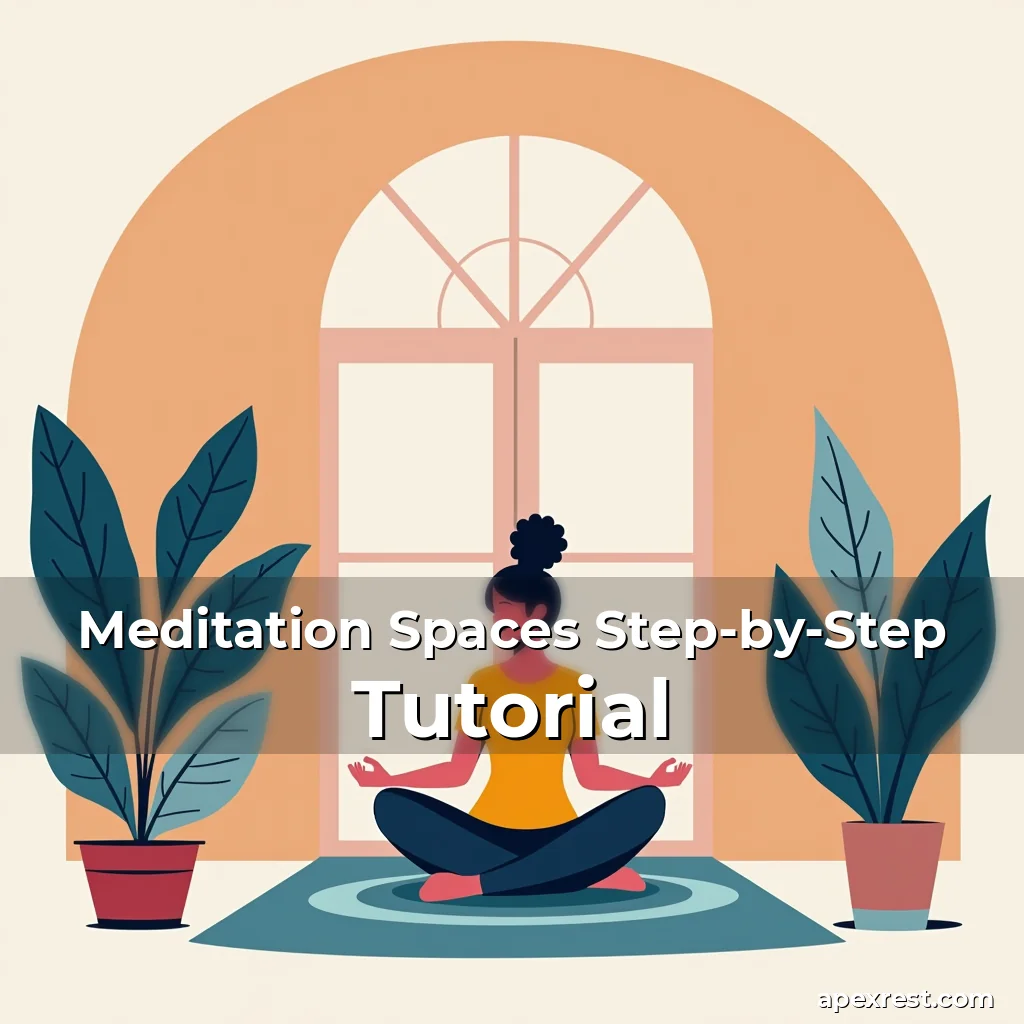
Crafting Sanctuary: A Comprehensive Journey Through Meditation Spaces
In today’s fast-paced world, meditation spaces serve as vital havens for rest, reflection, and rejuvenation. Whether nestled in a corner of your home or tucked away in a bustling urban park, these sacred places foster inner peace amidst external chaos.
For individuals seeking balance in life, understanding how to create and maintain a meditation space can transform daily routines. This guide explores the nuances of crafting such spaces, offering insights tailored for modern lifestyles and diverse environments.
Understanding the Essence of Meditation Spaces
A meditation space transcends mere functionality—it becomes a sanctuary shaped by intentionality. These areas are designed not just for sitting still but for cultivating awareness, presence, and connection with oneself.
The essence lies in simplicity. Clutter-free surroundings, soft textures, and calming colors contribute significantly to the atmosphere. Natural materials often enhance authenticity and grounding effects.
- Natural Light: Exposure to sunlight during meditation enhances mood regulation and circadian rhythm synchronization, promoting better sleep patterns.
- Serene Soundscape: Incorporating gentle background noises like flowing water or birdsong reduces cognitive load, aiding quicker entry into meditative states.
Design Principles for Effective Meditation Areas
Creating an optimal environment involves thoughtful consideration of spatial dynamics. Layout influences energy flow, making open yet intimate configurations ideal for fostering tranquility.
Materials play a critical role in shaping ambiance. Wood, stone, and cotton evoke warmth and stability, contrasting sharply against cold metals which may induce unease or distraction.
Ergonomic Considerations
Comfortability is paramount; improper postures hinder focus and increase fatigue. Adjustable seats or cushions allow customization based on height differences among practitioners.
Floor mats provide cushioning without sacrificing ground contact—an essential aspect for those practicing yoga-based forms of meditation that require full-body engagement.
Natural Elements Integration
Incorporating elements found in nature amplifies therapeutic outcomes. Plants purify air quality while visually reminding occupants of growth cycles inherent to all living things.
Water features introduce soothing auditory stimuli known scientifically to lower cortisol levels—a hormone linked directly with stress responses across various populations studied globally.
Technology’s Role Without Distraction
Smart home technologies enable precise control over environmental factors like temperature and humidity without becoming intrusive themselves. Voice-controlled lights respond intuitively to verbal cues minimizing manual interruptions mid-session.
Digital tools such as guided audio recordings assist beginners navigating unfamiliar territories safely while experienced meditators benefit from advanced analytics tracking progress over extended durations.
Accessibility & Inclusivity
Spaces must accommodate varying abilities meaningfully. Ramps instead of steps facilitate wheelchair access whereas tactile markers aid navigation for visually impaired individuals attempting self-guided journeys independently.
Varying sensory input methods cater wider demographics including those sensitive to bright lights or loud noises preferring dimmer lighting scenarios coupled with earplugs/white noise machines respectively.
Personalizing Your Space
Individual tastes shape effectiveness profoundly. Some prefer vibrant hues stimulating creativity others find neutral tones most conducive to introspection requiring trial-and-error experimentation initially.
Customizable aspects range widely—from wall art reflecting spiritual beliefs down to scented candles evoking nostalgic memories tied positively to past experiences involving calmness.
Community-Focused Mediation Zones
Shared meditation rooms necessitate compromise balancing group cohesion with personal boundaries respecting differing schedules and practices simultaneously existing side by side harmoniously.
Partitioning strategies help mitigate disturbances caused unintentionally due to proximity henceforth enabling simultaneous independent practice without mutual interference impacting overall experience negatively.
Maintaining Cleanliness Standards
Routine cleaning preserves hygienic integrity particularly relevant considering potential spread diseases through contaminated surfaces touched frequently by multiple people daily.
Disposable items reduce cross-contamination risks although reusable alternatives exist provided maintained meticulously after each use following strict sanitization protocols regularly checked periodically.
Conclusion
Meditation spaces represent intersections between architectural design psychology behavioral science ultimately aimed at enhancing human wellbeing holistically addressing emotional intellectual physical dimensions equally importantly.
To embark upon this journey successfully consider visiting local wellness centers observe existing implementations gather inspiration then adapt creatively applying learned knowledge uniquely suitable personally ensuring satisfaction derived consistently whenever utilized purposefully intended.


news is a contributor at ApexRest. We are committed to providing well-researched, accurate, and valuable content to our readers.
You May Also Like


Best Wellness Routines Tips and Strategies
Elevating Your Life Through Thoughtful Wellness Practices In our fast-paced world, maintaining optimal well-being requires intentional effort and structured habits....

Tranquility: Essential Tools and Resources
The Art of Tranquility: Cultivating Inner Peace in a Chaotic World In an age defined by relentless digital noise, constant...
Mindfulness for Small Spaces
Mindfulness for Small Spaces In an age where mental clutter often matches physical overcrowding, mindfulness offers a sanctuary within our...

Ganpati Mahotsav Shines Bright at Girls Hostel Number 6 , Panjab University
The celebrations began with a grand procession, led by the iconic idol of Lord Ganesha, signifying the auspicious arrival of...