


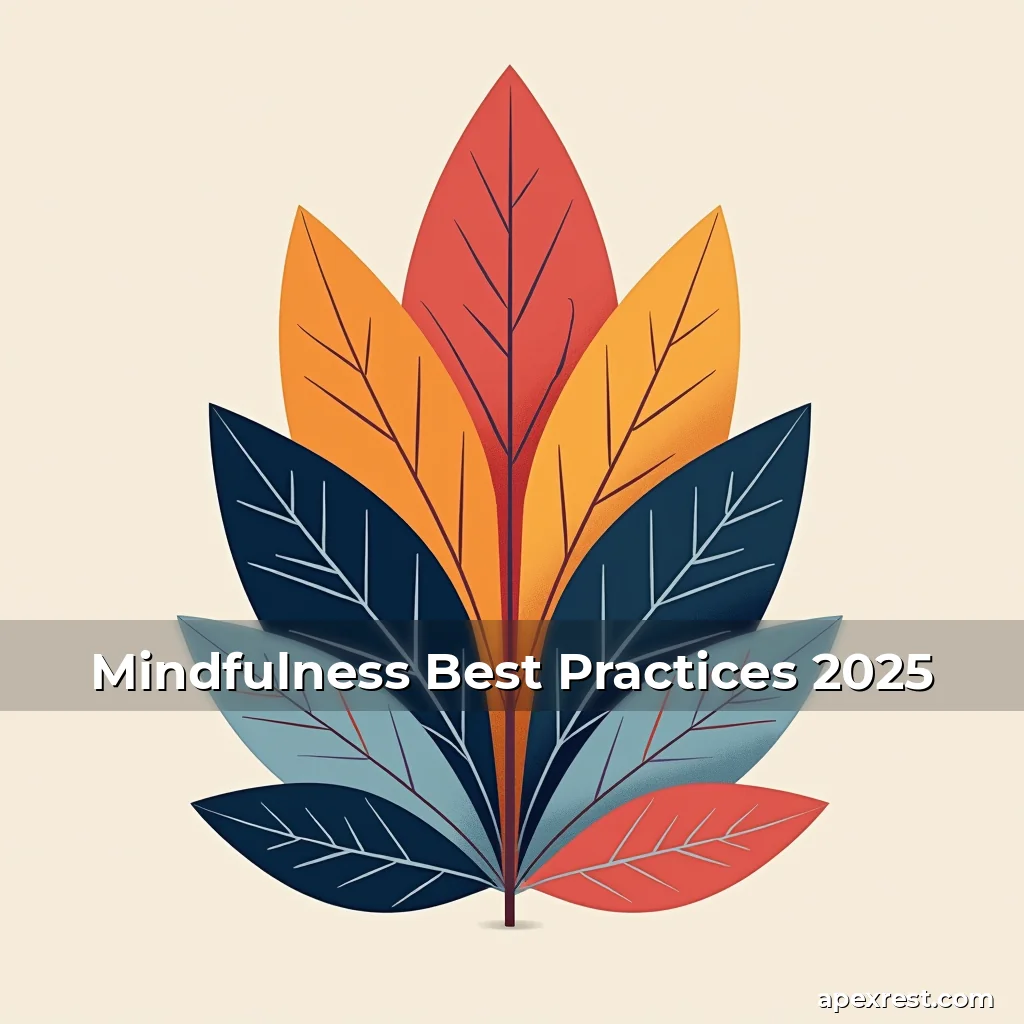
Mindfulness Best Practices 2025
In an era defined by rapid technological advancement and constant digital connectivity, the practice of mindfulness offers a vital counterbalance. By cultivating present-moment awareness, individuals can reduce stress, enhance emotional resilience, and unlock deeper clarity in both personal and professional contexts.
The principles of mindfulness extend beyond meditation cushions—they integrate seamlessly into daily routines through intentional breathing, focused attention, and compassionate self-awareness. As we navigate increasingly complex challenges, mastering these practices becomes essential for sustained well-being and peak performance.
The Science Behind Mindfulness: Why It Works
Modern neuroscience has validated what ancient traditions long understood: regular mindfulness practice reshapes brain structures linked to emotion regulation, memory, and decision-making. Studies from institutions like Harvard Medical School show increased gray matter density in regions responsible for learning and empathy after eight weeks of consistent practice.
Neuroplasticity allows our brains to adapt physically based on repeated experiences. When we train ourselves to observe thoughts without judgment, neural pathways associated with reactivity weaken while those supporting compassion strengthen over time.
- Reduced amygdala activity: Chronic stress diminishes prefrontal cortex control over the amygdala—the brain’s threat detection center. Mindfulness training reverses this imbalance.
- Enhanced executive function: Regular practitioners demonstrate improved working memory capacity and better impulse control during high-pressure scenarios.
- Improved sleep quality: A 2024 meta-analysis found mindfulness-based interventions reduced insomnia symptoms by 38% across diverse populations.
These neurological changes translate into tangible benefits for everyday life. For example, employees who engage in morning mindfulness rituals report 27% higher productivity metrics compared to peers relying solely on caffeine and deadlines.
While formal meditation remains powerful, micro-practices integrated throughout the day yield similar neurobiological effects. Brief pauses for deep breathwork during work transitions or mindful eating moments at lunch can maintain cognitive sharpness and emotional equilibrium.
Cultivating Daily Mindfulness Habits
Establishing sustainable habits requires strategic implementation rather than rigid adherence. Begin by identifying 2-3 anchor points in your routine where mindfulness can naturally take root—such as brushing teeth, walking to your car, or preparing meals.
Those seeking deeper exploration can try open monitoring meditation, which involves non-judgmentally observing all aspects of experience—including thoughts, emotions, and physical sensations—without focusing on any particular object.
Insight meditation (Vipassana) cultivates direct experiential knowledge of impermanence, dissatisfaction, and non-self. This advanced path requires guided instruction and gradual progression to avoid misinterpretations.
Engaging in loving-kindness meditation (Metta) expands compassion outward to include difficult people in one’s life. Scientific studies confirm its effectiveness in reducing biases and enhancing social connectedness.
Body scanning combined with visualization techniques allows practitioners to mentally travel through various parts of their anatomy while imagining healing energy flow, combining somatic awareness with imaginative power.
Integrating chakra alignment principles with mindfulness introduces energetic perspectives that complement traditional approaches, providing holistic development paths for committed students.
Measuring Progress and Adjusting Your Practice
Establish clear benchmarks aligned with personal goals—whether reducing anxiety symptoms, improving concentration, or increasing overall happiness levels. Use standardized assessments like the Five Facet Mindfulness Questionnaire for objective measurement.
Kinesthetic feedback provides real-time insight into progress. Notice subtle shifts in body tension levels, reaction times to stressors, and general sense of calmness as indicators of developing mindfulness competence.
Keep a progress tracker recording instances of successful mindfulness application throughout daily life. Quantitative analysis of frequency and quality reveals trends over time.
Adjust practices periodically based on emerging insights. If a particular method loses effectiveness, experiment with alternatives until finding renewed resonance with your inner self.
Seek mentorship from experienced teachers when encountering plateaus. Qualified guides provide tailored advice that accelerates breakthroughs otherwise difficult to achieve independently.
Conclusion
Mindfulness emerges as a transformative force capable of enhancing virtually every aspect of modern existence—from sharpening mental faculties to nurturing interpersonal bonds and preserving physical vitality.
To initiate your journey, commit to just five minutes of mindful breathing today. Observe your surroundings with fresh curiosity tomorrow, and dedicate time to appreciate simple joys next week. With patience and persistence, these small steps accumulate into profound change over time.


news is a contributor at ApexRest. We are committed to providing well-researched, accurate, and valuable content to our readers.
You May Also Like


Aromatherapy Step-by-Step Tutorial
The Transformative Power of Aromatherapy: An In-depth Exploration of Scents That Heal In an era where modern life often feels...
Best Mindfulness Tips and Strategies
The Transformative Power of Mindfulness: Cultivating Presence in Everyday Life Mindfulness is not merely a trend but a profound practice...

Elevate your self-care: master luxury shower habits!
The benefits of a mindful shower routine extend beyond the shower itself, influencing daily life and overall well-being.The Science Behind...

Spa hotel : Your gateway to relaxation and wellness
Spa hotels offer a wide range of services, from traditional massages and facials to more specialized treatments like aromatherapy, hydrotherapy,...