


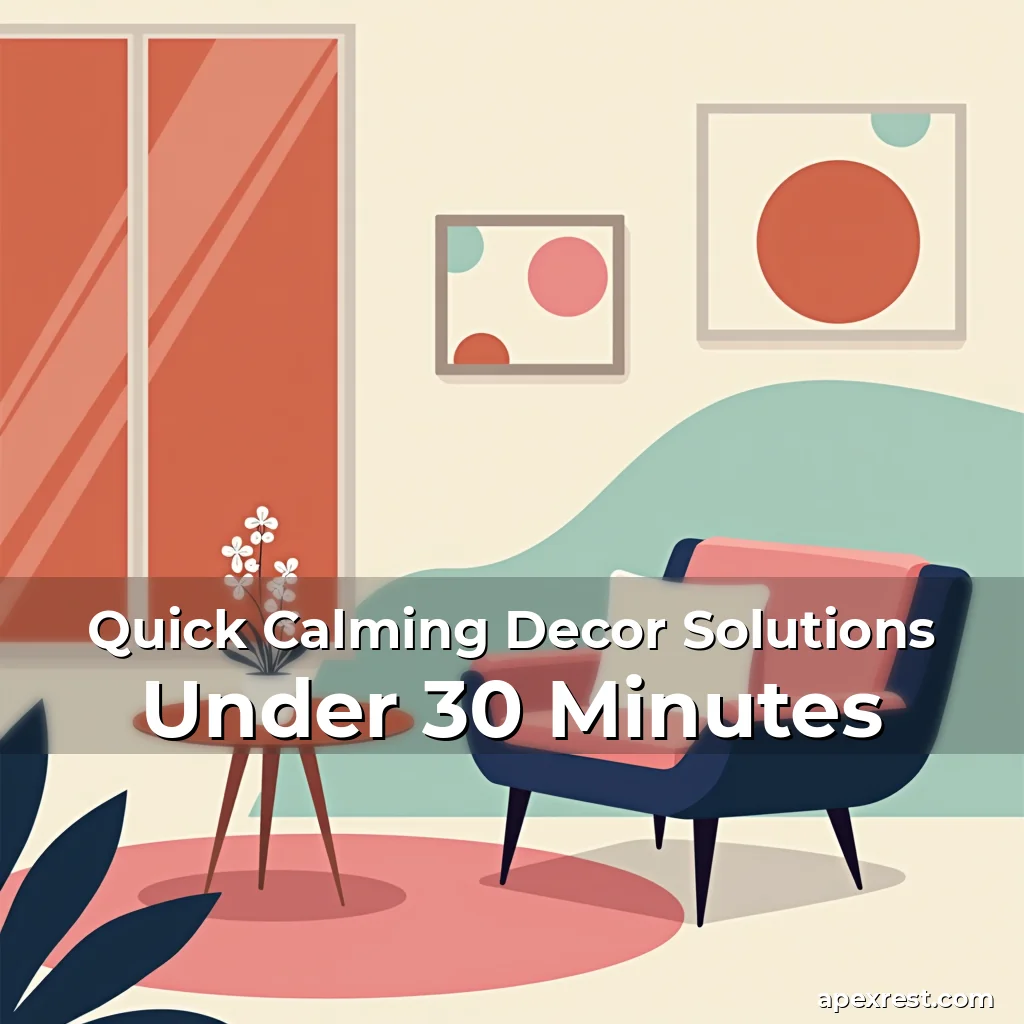
Quick Calming Decor Solutions Under 30 Minutes
In today’s fast-paced world, creating a serene environment at home is essential for mental well-being. The right calming decor can transform any space into a peaceful retreat without requiring extensive time or resources.
The key to effective calming decor lies in simplicity, intentionality, and thoughtful selection of elements that promote relaxation. With just a few adjustments, you can create an oasis of calm within minutes.
The Science Behind Soothing Spaces
Research shows that our environments significantly impact emotional states and cognitive performance. A study published in the Journal of Environmental Psychology found that individuals exposed to calming interiors experienced lower stress levels and improved focus.
Color psychology plays a crucial role in shaping mood. Soft blues and greens have been shown to reduce anxiety while earthy tones foster stability and grounding. These findings underscore why intentional color choices matter so much in interior design.
Biophilic design principles emphasize incorporating natural elements to enhance psychological wellness. From living plants to natural materials, these features activate parts of the brain associated with tranquility and restoration.
The use of negative space contributes to visual clarity and reduces mental clutter. Strategic placement of furniture allows for open pathways that encourage mindful movement through spaces.
- Warm lighting: Warm light temperatures around 2700K-3000K mimic sunset hues, promoting relaxation rather than stimulating alertness
- Natural textures: Materials like linen, wool, and wood add tactile variety while evoking organic comfort
- Calming scents: Lavender, eucalyptus, and sandalwood aromas have scientifically proven stress-reducing properties
Essential Elements for Instant Tranquility
A minimalist approach focusing on clean lines and uncluttered surfaces creates immediate serenity. Removing unnecessary items from view helps declutter both physical space and mental state.
Furniture arrangement matters greatly when cultivating peace. Positioning seating away from high traffic areas ensures uninterrupted moments of rest and reflection.
Soft textiles contribute significantly to atmospheric comfort. Adding plush throw blankets and oversized cushions instantly transforms ordinary spaces into cozy sanctuaries.
Transformative Color Schemes
Selecting appropriate colors forms the foundation of any calming decor plan. Neutral palettes provide versatility while soft pastels introduce gentle vibrancy without overwhelming the senses.
Accent walls using soothing shades like seafoam green or pale lavender create focal points that draw attention naturally. These colors work especially well in meditation rooms or reading nooks.
Metallic finishes such as brass or copper bring warmth without adding harshness. When used sparingly, they add subtle glamour while maintaining overall harmony.
Lighting Strategies for Relaxation
Layered lighting approaches allow for customizable ambiance tailored to different moods. Combining overhead lights with table lamps and floor lamps provides flexibility in adjusting illumination levels.
Dimmer switches offer precise control over brightness, enabling gradual transitions between day and night modes. This feature proves particularly useful during evening wind-down routines.
Scented candles and diffusers enhance visual effects by pairing light with calming fragrances. However, caution should be exercised near flammable objects or heat sources.
Botanical Touches for Natural Serenity
Indoor plants not only purify air but also visually soften hard edges in modern interiors. Low-maintenance species like snake plants or pothos thrive indoors with minimal care requirements.
Creating vertical gardens maximizes limited space while bringing nature closer to living areas. Hanging planters or wall-mounted shelves support cascading foliage arrangements.
Careful consideration must be given to pet safety when selecting houseplants. Toxic varieties should be kept out of reach of curious animals who might ingest harmful leaves or stems.
Textural Layering Techniques
Varying fabric types adds depth to spatial experiences. Mixing smooth upholstery with chunky knit throws introduces interesting contrasts that engage the sense of touch.
Rugs featuring intricate patterns serve dual purposes – providing cushioning beneath bare feet while acting as decorative statements themselves. Wool blends offer durability alongside softness.
Wooden accents introduce natural grain variations that add character without overpowering other design elements. Furniture pieces made from reclaimed timber carry inherent stories within their surfaces.
Personalized Touches for Authenticity
Incorporating personal artifacts makes spaces feel genuinely lived-in rather than curated. Family photographs displayed thoughtfully maintain warmth while preserving privacy boundaries.
Handcrafted décor items reflect individual creativity and effort invested in self-expression. DIY projects often become cherished heirlooms passed down through generations.
Artwork selections should align with preferred aesthetics yet remain versatile enough to adapt as tastes evolve over time. Abstract paintings tend to offer greater interpretive freedom compared to literal depictions.
Organizing for Optimal Flow
Decluttering practices extend beyond visible surfaces; organizing storage solutions keeps functional items neatly contained yet easily accessible. Drawer dividers help categorize small accessories systematically.
Open shelving systems display frequently used objects while allowing sightlines to flow freely. This visibility prevents surprises when reaching for essentials amidst chaotic piles.
Baskets woven from natural fibers complement rustic décors while containing loose items efficiently. Their textured surfaces add visual interest without demanding excessive maintenance.
Conclusion
Implementing these quick decorating strategies offers immediate benefits for anyone seeking respite from daily stresses. Small changes accumulate to form meaningful transformations in residential environments.
Experimenting with various combinations enables discovery of what truly resonates personally. Ultimately, creating a calming atmosphere becomes less about perfection and more about presence within one’s own sanctuary.


news is a contributor at ApexRest. We are committed to providing well-researched, accurate, and valuable content to our readers.
You May Also Like


Wellness Routines: Essential Tools and Resources
Wellness Routines: Essential Tools and Resources In today's fast-paced world, maintaining wellness has become an essential aspect of daily life....
The Art of Mindful Unwinding: Cultivating Deep Relaxation in Modern Life
The Art of Mindful Unwinding: Cultivating Deep Relaxation in Modern Life In today's fast-paced world, true relaxation has become an...

Here What You Need To Know About High Tea At Alberta Fairmont Hotels.
From their luxurious setting to their meticulously crafted menus, these hotels offer a truly unforgettable experience. The article explores the...

Pacific Chamber Orchestra presenting Brahms and Ravel with pianist Pascal Rogé. Let me know if you need any further details.
The Pacific Chamber Orchestra (PCO) is a renowned ensemble based in the United States. They are known for their exceptional...