


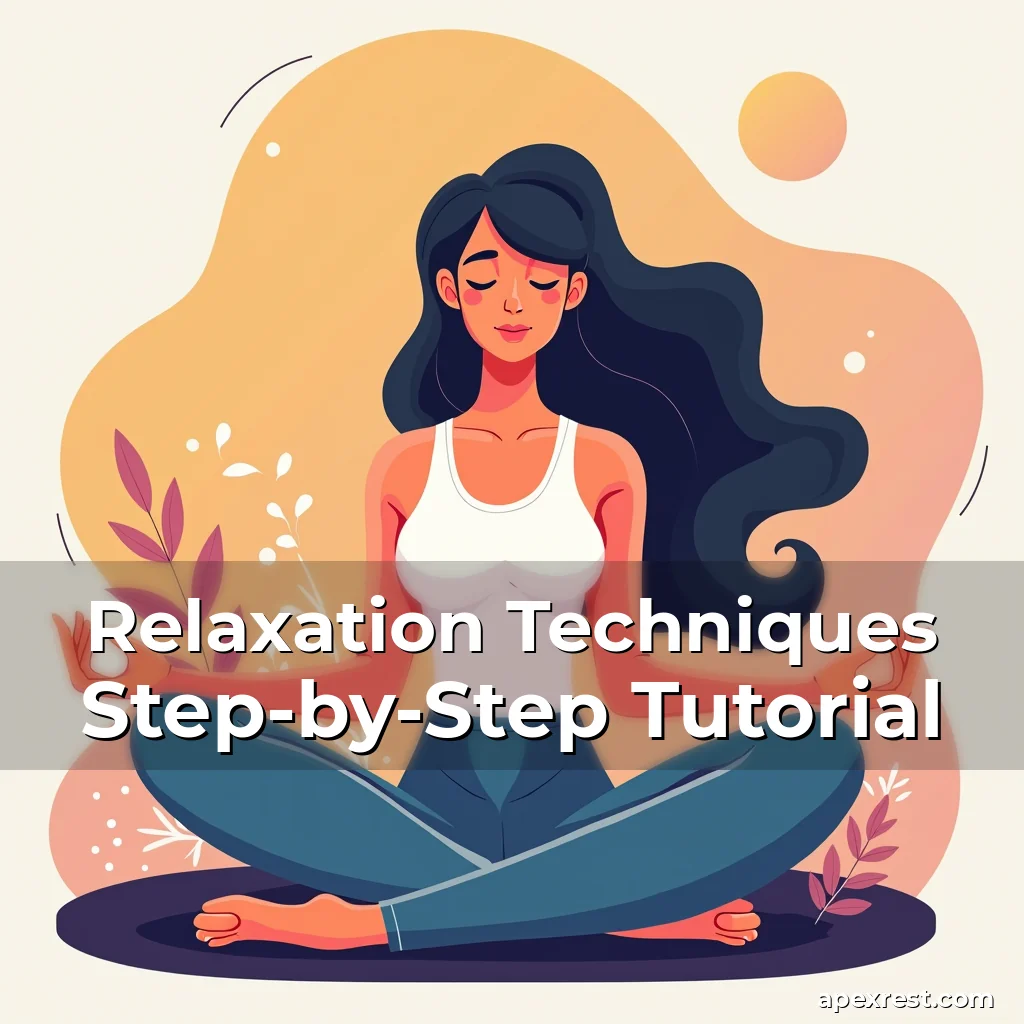
Unlock Calmness: A Deep Dive Into Proven Relaxation Techniques
In our fast-paced digital era, finding moments of stillness can feel nearly impossible. From relentless emails to endless social media notifications, we’re constantly bombarded with stimuli that heighten anxiety levels.
Yet science shows us that structured relaxation techniques can reverse this cycle, offering tangible relief. This guide equips you with evidence-based approaches to reclaim control over your mental state and cultivate enduring tranquility.
The Science Behind Effective Relaxation
Your autonomic nervous system regulates automatic bodily functions through two primary pathways: sympathetic activation during stress and parasympathetic engagement during rest.
Relaxation techniques target the latter pathway, activating the body’s natural calm response. Studies show this reduces cortisol levels, lowers heart rate, and improves overall emotional regulation.
Research from Harvard Medical School demonstrates that regular relaxation practice can permanently alter brain structures associated with memory and emotion.
These changes aren’t temporary fixes – they represent neuroplastic adaptation toward greater resilience in stressful situations.
Breathing Techniques for Instant Calm
Diplomatic breathing leverages diaphragmatic movement to activate the vagus nerve, triggering immediate physiological relaxation responses.
This technique involves inhaling deeply through the nose while allowing the abdomen to expand fully before slow exhalation through pursed lips.
- Box Breathing: Inhale for four counts, hold for four, exhale for four, then hold for four seconds. Repeat continuously.
- 4-7-8 Method: Breathe in for four seconds, hold for seven, exhale slowly for eight. This ratio mimics natural breathing patterns.
Clinical trials indicate that even six minutes of focused breathing can significantly reduce acute stress symptoms.
Mindfulness-Based Stress Reduction
Focused attention meditation cultivates awareness of transient thoughts without judgment, disrupting cycles of rumination that fuel anxiety.
Begin with simple anchor points – like observing breath sensations or auditory cues in your environment – to maintain presence in the moment.
Body scan meditation offers another potent approach, directing attention systematically through different parts of the physical form to release tension.
Studies show consistent practice enhances gray matter density in brain regions responsible for emotional processing.
Kinesthetic Relaxation Practices
Hatha yoga combines postural alignment with mindful breathing to produce both muscular relaxation and neurological calming effects.
Recommended foundational poses include Child’s Pose, Legs-Up-The-Wall, and Supported Forward Fold for optimal stress reduction.
Tai Chi’s flowing movements integrate deep breathing with controlled motion, improving balance while promoting psychological well-being.
Even gentle ambulation, such as walking meditation, provides cardiovascular benefits alongside mental clarity improvements.
Cognitive Restructuring Strategies
Identifying cognitive distortions allows for conscious realignment of perspectives. Common errors include catastrophizing future events or mind reading others’ thoughts.
Create thought records tracking distressing situations, beliefs, and alternative interpretations to challenge irrational conclusions.
Thought interruption techniques involve physically snapping fingers or using mantras (“stop”) to halt negative spirals mid-stream.
Gradual exposure combined with cognitive restructuring proves particularly effective for overcoming performance-related anxieties.
Sensory Stimulation for Relaxation
Therapeutic environments often utilize color theory principles, with blue tones shown to decrease physiological arousal more effectively than other hues.
Aromatherapy employing essential oils like lavender and chamomile engages olfactory receptors linked to ancient limbic memory systems.
- Vocal toning: Chanting ‘Om’ modulates alpha wave production, promoting mental coherence.
- Weighted blankets: Dermal pressure stimulates parasympathetic activity through mechanoreceptor activation.
Combining these sensory inputs creates multisensory experiences that reinforce neural pathways associated with safety and comfort.
Progressive Muscle Relaxation Protocol
This technique follows a systematic pattern of tensing and releasing muscle groups to heighten somatic awareness and release stored tension.
Following established sequences from feet upward to head ensures complete coverage of all major muscle groups.
Rhythmic respiration coordinated with muscle contractions enhances oxygen delivery to tense tissues, accelerating recovery.
Experts recommend practicing twice daily initially, gradually extending sessions as familiarity increases.
Let's dive into the market!
Emotional Processing Through Creative Outlets
Journaling facilitates externalization of internal conflicts, enabling clearer perspective assessment and solution formulation.
Visual art expression bypasses linguistic limitations, accessing nonverbal emotional states more directly.
Music therapy utilizing tempo modulation aligns heart rhythms with desired affective states through entrainment mechanisms.
Daily creative engagement strengthens prefrontal cortex connectivity crucial for emotional self-regulation.
Modern Adaptations for Tech-Savvy Practitioners
Mobile applications provide biofeedback monitoring, displaying real-time physiological indicators as you practice various techniques.
Virtual reality environments simulate serene landscapes, providing immersive contexts for deep relaxation exercises.
Smart wearable devices track progress metrics including heart rate variability and sleep quality parameters automatically.
Integration with calendar apps enables scheduled reminders for consistent practice maintenance.
Navigating Common Implementation Challenges
Limited time commitments require selecting high-impact techniques delivering maximal benefit within minimal duration.
Environmental distractions necessitate designating sacred spaces reserved exclusively for relaxation activities.
Motivation fluctuations suggest establishing reward systems tied to achievement milestones.
Persisting despite occasional setbacks reinforces habit formation processes critical for long-term success.
When to Seek Additional Support
Persistent inability to relax despite dedicated effort may indicate underlying conditions requiring professional intervention.
Psychological evaluations can differentiate between normal stress reactions and clinical disorders needing targeted treatment.
Specialized clinics offer customized programs combining therapeutic modalities tailored to individual profiles.
Timely recognition of warning signs prevents escalation of mental health concerns into more serious complications.
Cultivating Lasting Serenity
The journey to mastery requires patience as new habits solidify through repetition and intentionality.
Experimenting with different techniques identifies personally resonant approaches worthy of ongoing commitment.
Consistency in practice yields cumulative benefits measurable through improved mood stability and enhanced coping capacities.
Take one small step today – choose one technique to explore now and commit to a weekly practice schedule moving forward.


news is a contributor at ApexRest. We are committed to providing well-researched, accurate, and valuable content to our readers.
You May Also Like


Mastering Ultimate Relaxation Solutions for Better Results
The Science-Backed Pathways to Deep Relaxation: Unlocking Your Body's Natural Calm In an era where digital notifications compete with our...

Professional Quiet Retreats: Advanced Techniques
Professional Quiet Retreats: Advanced Techniques for Mindful Rejuvenation In an age dominated by constant connectivity and digital noise, quiet retreats...
Mastering Premium Relaxation Tips for Better Results
The Ultimate Blueprint for Achieving Deep Relaxation Through Premium Techniques In today's fast-paced world, finding true relaxation has become an...
Calming Decor on a Budget: Money-Saving Tips
Calming Decor on a Budget: Money-Saving Tips In today's fast-paced world, creating a serene living space is essential for mental...