


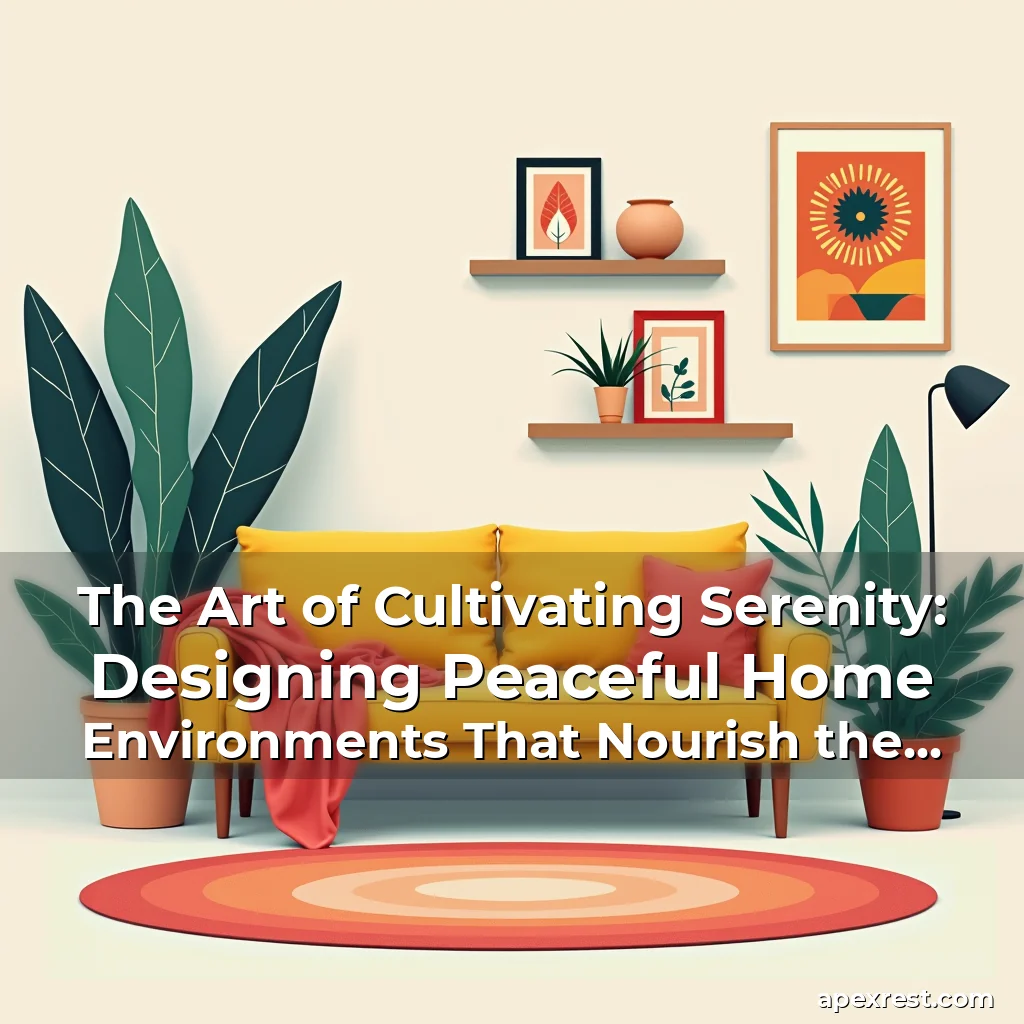
The Art of Cultivating Serenity: Designing Peaceful Home Environments That Nourish the Soul
In an era defined by constant connectivity and relentless schedules, creating a sanctuary at home has become essential for mental well-being. A peaceful home environment is more than just aesthetic appeal—it’s a carefully crafted ecosystem that supports emotional balance, physical health, and familial harmony.
This guide explores how intentional design choices can transform your living space into a haven of calm, offering practical strategies for cultivating tranquility through architecture, interior design, and daily rituals.
Understanding the Science Behind Calming Spaces
Research from environmental psychology reveals fascinating connections between our surroundings and mental states. Studies show that spaces with natural elements reduce stress hormones by up to 26% while promoting cognitive function and creativity.
Color theory plays a crucial role too—soft earth tones have been proven to lower blood pressure and heart rate compared to high-contrast color schemes. The right lighting conditions can significantly impact circadian rhythms and overall mood regulation.
- Nature integration: Incorporating indoor plants improves air quality and creates a sense of connection to the outdoors
- Acoustic comfort: Strategic placement of sound-absorbing materials reduces anxiety related to noise pollution
Crafting the Perfect Layout for Mental Clarity
A thoughtfully designed floor plan can dramatically affect psychological well-being. Open-concept layouts promote social interaction but may increase sensory overload for some individuals. Finding the right balance is key to creating functional yet calming spaces.
Zoning areas based on activity types helps maintain mental boundaries. Creating distinct zones for work, relaxation, and sleep allows the brain to transition smoothly between different mental modes without confusion.
Optimizing Spatial Flow
Experts recommend maintaining clear sightlines between rooms to enhance feelings of openness and security. The average person moves their eyes across a room every 15 seconds, so unobstructed views contribute to subconscious comfort.
Furniture arrangement follows the “traffic flow principle”—keeping 30-36 inches of clearance around seating areas prevents feelings of confinement and promotes ease of movement.
Design Elements That Promote Emotional Well-being
Mindful selection of textures, patterns, and materials can create a soothing atmosphere. Natural fibers like cotton and wool provide tactile comfort while synthetic materials often feel cold and impersonal.
Soft curves in furniture design activate the brain’s pleasure centers differently than sharp angles. This subtle effect contributes to an unconscious feeling of safety and relaxation.
The Power of Light in Shaping Mood
Natural light exposure during the day regulates melatonin production and enhances vitamin D synthesis. Strategically placed windows can make even small spaces feel expansive and uplifting.
Layered lighting systems allow for dynamic ambiance control. Combining overhead lights with task lighting and decorative accents enables customization according to time of day and activity type.
Creating Morning and Evening Lighting Routines
Warm white LED strips set along window sills mimic sunrise patterns, helping regulate biological clocks naturally. These gradual transitions are particularly beneficial for people dealing with seasonal affective disorder.
Dimmable lamps paired with blackout curtains help signal bedtime cues. Research shows that reducing blue light exposure two hours before sleep improves sleep quality by 38% on average.
Curating a Mindful Decor Collection
Selecting artwork and decor items should align with personal values and foster positive emotions. Abstract pieces with flowing lines tend to evoke calmness better than chaotic compositions.
Decluttering practices go beyond organization—they’re about creating mental clarity. According to a Stanford study, clutter activates the amygdala, triggering fight-or-flight responses that elevate stress levels.
Beyond Aesthetics: Functional Aspects of Peaceful Living
Ergonomic furniture selections prevent chronic pain issues that disrupt peace. Adjustable desks and supportive chairs reduce musculoskeletal discomfort by up to 40%, improving overall life satisfaction.
Smart home technology offers discreet solutions for maintaining order. Voice-controlled devices minimize visual clutter while automated cleaning systems handle routine maintenance tasks efficiently.
Nurturing Green Spaces Within Your Walls
Indoor gardens bring nature indoors in ways that benefit both body and mind. Houseplants filter airborne toxins and have been shown to boost concentration by as much as 15% in office settings.
Care routines for plants themselves become meditative practices. Watering, pruning, and observing plant growth fosters mindfulness and provides immediate gratification that combats modern anxieties.
Building Lasting Habits for Domestic Harmony
Establishing regular household routines creates predictability that reduces anxiety. Shared meal times, designated family activities, and consistent bedtimes form the foundation for emotional stability.
Teaching children conflict resolution skills within the home environment lays the groundwork for healthy relationships later in life. Modeling patience and empathy sets powerful behavioral examples.
Personalizing Your Sanctuary Through Rituals
Customized morning and evening routines anchor the day with intentionality. Whether it’s meditation, journaling, or brewing tea, these rituals establish psychological boundaries between external demands and internal calm.
Scent-based therapies using essential oils stimulate memory recall and emotional processing. Lavender oil, for instance, has demonstrated measurable effects in reducing insomnia symptoms when used consistently over three weeks.
Embracing Minimalism Without Sacrificing Comfort
Minimalist principles focus on eliminating excess rather than deprivation. Selecting multifunctional furniture maximizes space efficiency while maintaining warmth and personality.
Tactile experiences matter—even minimalist spaces need comforting textures. Layering soft blankets, incorporating woven baskets, and choosing warm wood finishes adds depth without visual overcrowding.
The Role of Soundscapes in Creating Tranquility
Strategic use of music and ambient sounds can transform ordinary moments into therapeutic experiences. Nature recordings have been scientifically shown to decrease cortisol levels by 20% after 20 minutes of listening.
White noise machines offer effective solutions for those struggling with sleep disturbances. Their consistent background sounds mask disruptive noises that might otherwise interfere with restfulness.
Community Building Through Shared Spaces
Open concept designs encourage spontaneous interactions that strengthen bonds. Common areas equipped with comfortable seating invite conversation and collaboration among residents.
Shared responsibility models for maintenance and upkeep cultivate mutual respect. When neighbors participate together in keeping common spaces clean, they develop stronger communal ties.
Adapting Spaces for Changing Needs
Flexible interiors accommodate evolving lifestyles. Movable walls and modular furniture enable easy reconfiguration as families grow or professional roles change.
Multi-generational living arrangements require thoughtful spatial planning. Zoning techniques ensure privacy needs are met while still allowing for meaningful intergenerational contact.
Measuring Success: Evaluating Your Peaceful Environment
Tracking subjective indicators like reduced irritability and increased focus serves as informal metrics of success. Keeping a wellness journal can reveal patterns connecting specific design features to emotional states.
Regular check-ins with loved ones about perceived comfort levels provide objective feedback. Their perspectives often highlight aspects you might overlook in your own environment.
Conclusion
Cultivating a peaceful home environment requires ongoing attention and adaptation. It’s not about achieving perfection but developing awareness of how your surroundings influence your well-being.
By implementing these strategies intentionally, you’ll gradually build a personalized sanctuary that nurtures both mind and spirit. Remember, true serenity comes from harmonious alignment between your inner world and outer environment.


news is a contributor at ApexRest. We are committed to providing well-researched, accurate, and valuable content to our readers.
You May Also Like


Back in the Dark House Again : The Recurrent Nature of Clinical Depression
It became a mantra for me, a beacon of hope in the darkness. It resonated with my experience, and I...

Self-Care Practices for Beginners: Getting Started
The Path to Wellness: Exploring Essential Self-Care Practices In today's fast-paced world, prioritizing self-care has become essential for maintaining mental,...

Mental Wellness Step-by-Step Tutorial
Mental Wellness Step-by-Step Tutorial In today’s fast-paced world, mental wellness is more critical than ever. It encompasses emotional, psychological, and...


Pre Purchase Pest Inspection
Are you in the market for a new house in a new city because you have just started a new...