


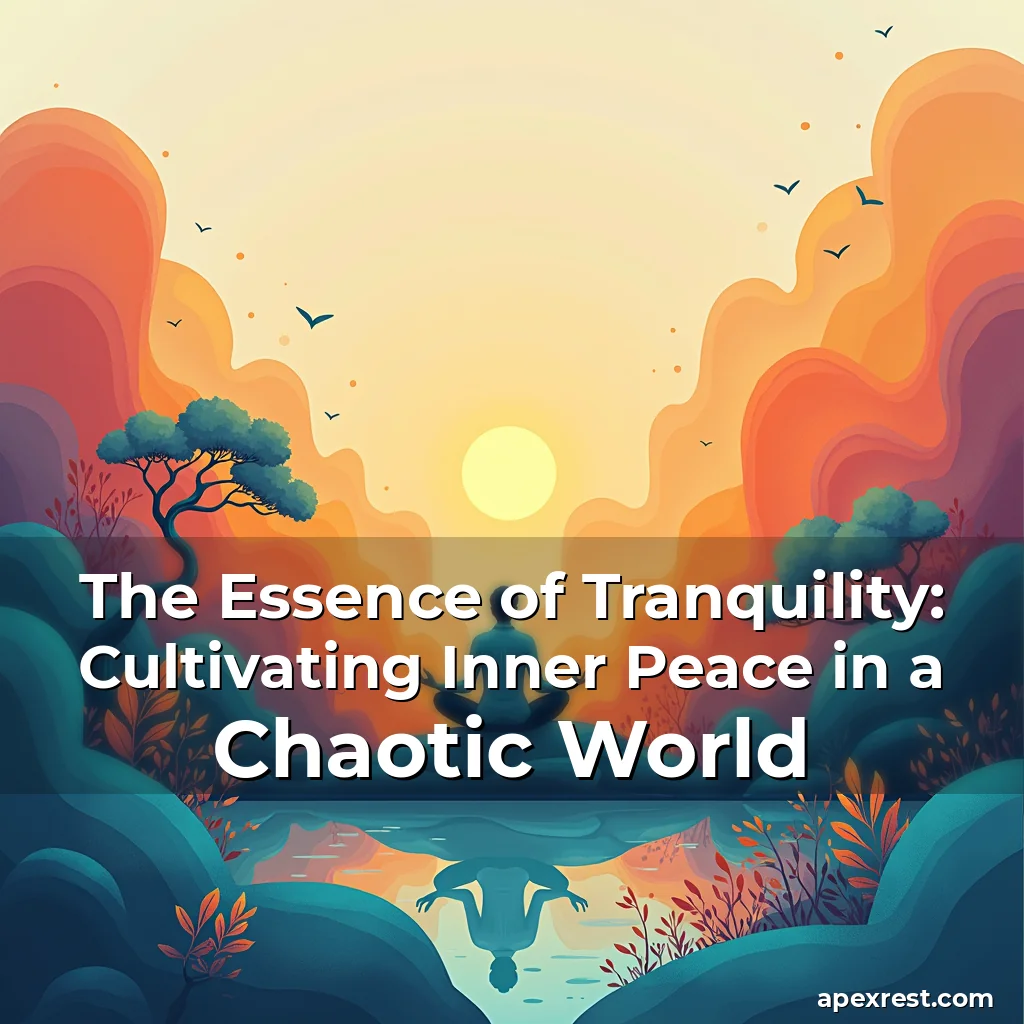
The Essence of Tranquility: Cultivating Inner Peace in a Chaotic World
In an age defined by relentless activity and digital overload, tranquility has become both a rare commodity and a vital necessity. This article explores the multifaceted nature of inner peace, its psychological benefits, practical methods for achieving it, and how modern society can integrate serenity into daily life.
Tranquility is not merely the absence of noise but a state of harmonious balance within oneself. It allows individuals to navigate challenges with clarity and respond to stressors without succumbing to overwhelm.
The Science Behind Serenity
Modern neuroscience reveals that tranquility activates distinct neural pathways associated with emotional regulation and cognitive function. When we experience calmness, our brain’s default mode network becomes less active, reducing rumination and enhancing mental clarity.
Studies from Harvard Medical School show that regular meditation practices increase gray matter density in areas responsible for learning, memory, self-awareness, and empathy. These changes correlate strongly with improved emotional resilience.
Key neurological effects include:
- Reduced amygdala reactivity: Lower threat response when facing stressful situations
- Enhanced prefrontal cortex connectivity: Better decision-making under pressure
- Increased vagus nerve stimulation: Naturally lowers heart rate and blood pressure
Physiological markers such as cortisol levels drop significantly during states of sustained tranquility. This biological shift explains why peaceful individuals often exhibit better health outcomes over time.
The autonomic nervous system plays a crucial role in maintaining internal equilibrium. Through deep breathing exercises and mindfulness techniques, people can consciously regulate their physiological responses to external stimuli.
Cultural Perspectives on Calmness
Different societies have developed unique approaches to cultivating tranquility through centuries-old traditions. Eastern philosophies emphasize stillness as essential to spiritual growth, while Western thought often ties inner peace to personal achievement.
Buddhist teachings highlight the impermanence of thoughts and emotions, suggesting that clinging to them creates suffering. Zen Buddhism introduces koans and zazen meditation as tools for dissolving mental clutter and accessing pure awareness.
Hindu Philosophical Insights
Vedic texts describe dhyana (meditation) as a path to realizing one’s true nature beyond transient experiences. Practices like pranayama (breath control) are believed to align physical energy with cosmic rhythms.
Research published in the Journal of Transcendental Meditation shows that participants practicing mantra-based meditation experienced reduced anxiety and improved sleep quality after eight weeks of consistent practice.
Taoist philosophy emphasizes wu wei – effortless action – which encourages flowing with natural forces rather than resisting them. This concept finds expression in martial arts forms like Tai Chi, where slow movements cultivate mental clarity.
Practical Strategies for Modern Life
Integrating tranquility into contemporary routines requires intentional effort. Simple yet effective techniques can transform chaotic schedules into moments of mindful presence.
Create designated quiet spaces at home using elements like soft lighting, natural materials, and calming scents. These environments serve as anchors for returning to center whenever overwhelmed.
Five Daily Rituals for Finding Stillness:
- Morning journaling to clarify intentions before starting work
- Lunchtime walks in green spaces to reset mental bandwidth
- Evening gratitude reflections to foster perspective
- Noon stretching sessions to release tension physically
- Nighttime digital detoxes to protect restorative sleep cycles
Technology integration doesn’t have to undermine tranquility. Apps designed for guided meditations, ambient sounds, and progress tracking can support mindfulness journeys effectively when used mindfully.
Workplace wellness programs increasingly recognize the value of tranquil environments. Companies implementing quiet rooms, flexible hours, and stress management workshops report higher employee satisfaction and productivity metrics.
The Role of Nature in Creating Calm
Natural landscapes possess inherent qualities that promote relaxation and reduce stress. Exposure to greenery, water features, and open skies triggers evolutionary responses linked to safety and well-being.
Urban planners now incorporate biophilic design principles into cityscapes, integrating parks, vertical gardens, and water elements to create healthier living environments. Research indicates these designs lower crime rates and improve public mood.
Forest bathing – shinrin-yoku in Japanese tradition – involves immersive sensory engagement with forest environments. Studies show this practice reduces cortisol levels by up to 15% and enhances immune system function through increased NK cell activity.
Cities like Singapore and Vancouver demonstrate successful urban tranquility initiatives. Their extensive park systems, wildlife corridors, and pedestrian-friendly zones provide residents with accessible nature experiences amidst concrete jungles.
Social Dimensions of Inner Peace
Human connection plays a critical role in sustaining tranquility. Meaningful relationships provide emotional support networks that buffer against life’s inevitable stresses.
Community involvement fosters belonging and purpose, key components of lasting inner peace. Volunteering, group activities, and shared rituals strengthen social bonds that contribute to overall well-being.
Conflicts inevitably arise even among close relationships. Developing communication skills centered around active listening and empathetic understanding helps maintain harmony without compromising individual needs.
**Please provide a title:**
Family dynamics significantly influence children’s capacity for tranquility. Parents modeling balanced lifestyles teach younger generations healthy coping mechanisms for dealing with adversity.
Overcoming Obstacles to Inner Peace
Modern life presents numerous barriers to finding tranquility. Identifying common obstacles enables proactive strategies for overcoming them.
Time scarcity is perhaps the most pervasive challenge. Prioritizing tasks based on long-term impact rather than urgency helps reclaim lost hours spent in reactive modes.
Common Distractions to Mindfulness:
- Constant notifications from mobile devices
- Information overload from news consumption
- Pressure to be constantly productive
- Social media comparisons creating unrealistic expectations
Developing boundaries around technology use becomes essential. Designated tech-free periods allow space for reflection and creative pursuits unencumbered by digital demands.
Economic pressures often trigger chronic worry patterns. Financial literacy education combined with budgeting tools empowers individuals to make informed choices without perpetual anxiety about money matters.
Building Lasting Habits for Peace
Sustainable tranquility emerges from consistent practices rather than occasional efforts. Establishing routine habits creates automatic responses that reinforce calm states over time.
Micro-meditations – brief focused attention intervals – build neuroplasticity in the brain’s executive functions. Practicing these for five minutes several times daily yields cumulative benefits similar to longer sessions.
Physical movement enhances mental clarity. Regular exercise releases endorphins that naturally elevate mood and decrease perceived stress levels through biochemical processes.
Creating accountability systems supports habit formation. Sharing goals with trusted friends or joining online communities provides motivation and encouragement during challenging phases.
Measuring Progress Toward Serenity
Tracking tranquility development helps identify what works best individually. Objective measures complement subjective experiences in assessing improvement trajectories.
Heart rate variability monitors offer quantitative data on stress recovery rates. Increasing HRV scores indicate enhanced parasympathetic nervous system activation and greater emotional resilience.
Daily mood logs reveal patterns connecting specific activities with feelings of calm. Recognizing these correlations enables targeted adjustments to lifestyle choices for optimal results.
Regularly revisiting core values clarifies whether current actions align with deeper sources of meaning and fulfillment that sustain genuine tranquility over time.
Conclusion
This exploration of tranquility underscores its significance as both a personal pursuit and societal imperative. From scientific foundations to cultural expressions, various dimensions converge toward a unified goal of inner peace.
To begin your journey towards sustainable tranquility, start small: dedicate ten minutes each day to conscious breathing or find one quiet moment in your environment to observe without judgment. Consistent practice transforms fleeting calm into enduring serenity.


news is a contributor at ApexRest. We are committed to providing well-researched, accurate, and valuable content to our readers.
You May Also Like


Cloudland At McLemore Resort Partners With Southern Soul Yoga For Wellness Weekend
A Weekend of Mind, Body, and SpiritThe Wellness Weekend, taking place on September 17-19, 2022, promises to be an immersive...
Revitalizing Your Mind and Body: Essential Self-Care Practices for Modern Professionals
Revitalizing Your Mind and Body: Essential Self-Care Practices for Modern Professionals In today’s fast-paced world, self-care has evolved from a...

Sex and 9 other activities that help relieve stress
Engaging in regular sex can have a profound impact on both men and women, leading to improved physical and mental...
Tranquility: Essential Tools and Resources
The Art of Tranquility: Cultivating Inner Peace in a Chaotic World In an age defined by relentless digital noise, constant...