


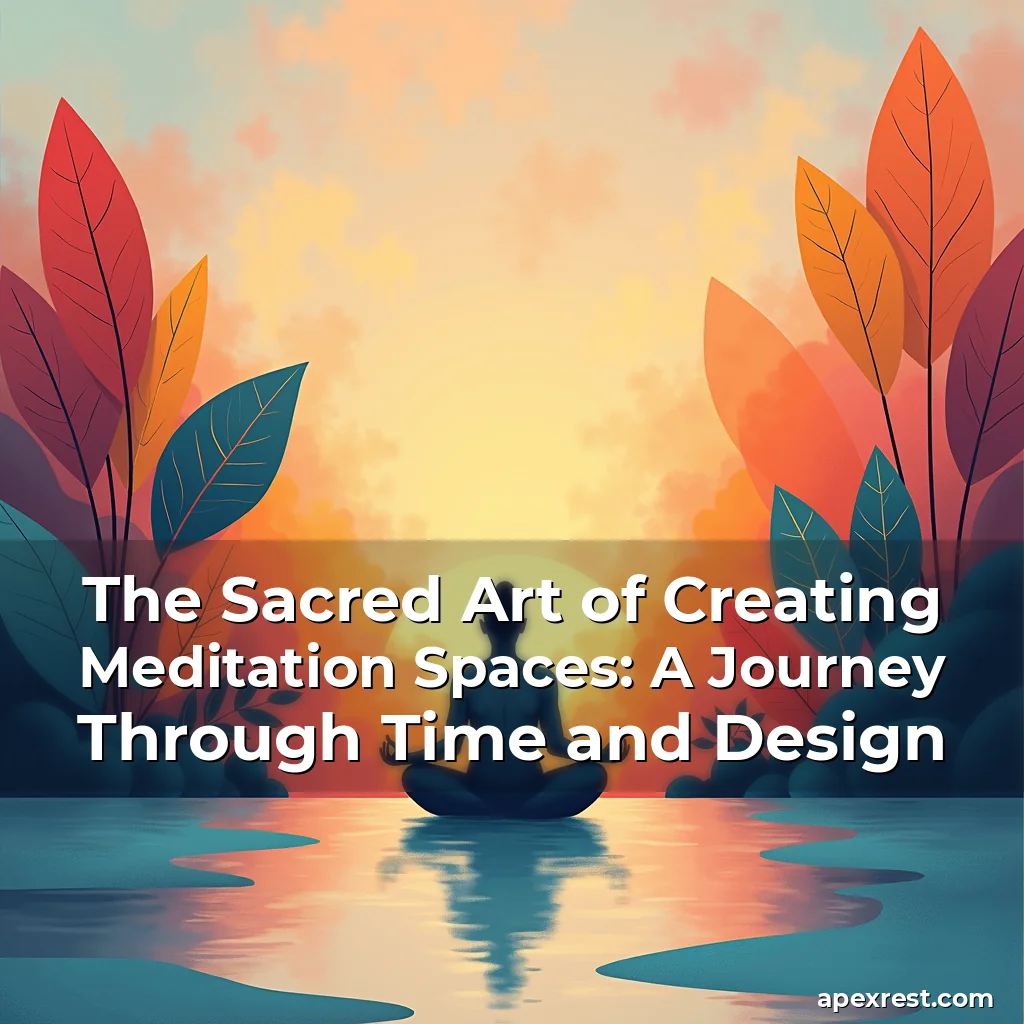
The Sacred Art of Creating Meditation Spaces: A Journey Through Time and Design
In an age where digital noise dominates our lives, the ancient practice of meditation has found new relevance. At the heart of every meaningful meditation experience lies a carefully crafted space that nurtures inner peace and clarity.
This exploration delves into the profound world of meditation spaces, examining their historical roots, modern adaptations, and the science behind their effectiveness. From monastic retreats to urban sanctuaries, we uncover how these environments shape our mental well-being.
Historical Foundations of Meditation Spaces
Meditation spaces have existed across cultures for thousands of years, serving as sacred sites for spiritual growth. Ancient civilizations from Egypt to India developed dedicated areas for contemplative practices long before written records emerged.
Egyptian temples featured secluded chambers where priests engaged in ritualistic meditations under starlit skies. These early spaces incorporated natural elements like sandstone walls and open-air designs to enhance spiritual connection.
Buddhist monasteries pioneered structured meditation halls called viharas during the 6th century BCE. These wooden structures emphasized simplicity, often containing only basic seating and minimal decoration to facilitate focused contemplation.
- Natural acoustics: Traditional stone and wood construction created optimal sound absorption for chanting and silent reflection
- Solar orientation: Buildings were positioned to maximize morning sunlight exposure for daily rituals
Modern Adaptations and Urban Integration
Contemporary society has reimagined meditation spaces through innovative design solutions. City dwellers now find serenity in rooftop gardens, repurposed lofts, and even smartphone apps that simulate tranquil environments.
A growing trend sees architects incorporating mindfulness zones within office buildings. These spaces feature ergonomic furniture, ambient lighting systems, and plants designed specifically for stress reduction.
Urban planners are integrating meditation walkways into city parks, using sensory cues like wind chimes and textured surfaces to guide mindful movement through nature.
The rise of pop-up meditation studios allows communities to create temporary yet effective sanctuaries. These mobile spaces use modular components that can be easily assembled and disassembled according to location needs.
The Science Behind Effective Meditation Environments
Neuroscientific research confirms that physical surroundings significantly impact meditation efficacy. Studies show that specific spatial configurations influence brainwave patterns associated with deep relaxation.
Research published in the Journal of Alternative Medicine reveals that rooms with soft curves and rounded edges promote feelings of safety and openness. This is particularly beneficial for beginners struggling with anxiety during sessions.
An MIT study demonstrated that varying light levels affect melatonin production, which in turn influences sleep quality and overall cognitive function after meditation periods.
The World Health Organization recommends maintaining indoor humidity between 40-60% for optimal respiratory health during prolonged seated meditation sessions.
Design Principles for Optimal Meditation Spaces
Creating a functional meditation area requires careful attention to several key principles. The most successful spaces balance aesthetic appeal with practical considerations for comfort and accessibility.
Proper lighting is crucial – natural daylight provides ideal illumination while artificial sources should mimic warm sunset hues. Smart dimmer switches allow users to adjust brightness based on personal preferences.
Furniture selection plays a vital role in creating the right atmosphere. Cushions with firm cores offer better posture support than overly plush options that encourage slouching.
Acoustic treatment is essential in shared meditation spaces. Sound-absorbing panels help maintain quietude while allowing subtle background sounds like rustling leaves or distant birdsong.
Cultural Variations in Meditation Space Design
Different traditions approach meditation space creation with distinct philosophies. Understanding these cultural nuances enriches our appreciation for global mindfulness practices.
Tibetan Buddhist meditation halls emphasize symmetry and alignment with cardinal directions. Altars often contain mantras inscribed on copper plates arranged geometrically for visual meditation exercises.
Hindu mandirs incorporate intricate carvings depicting deities and cosmic symbols. These visual stimuli aid practitioners in achieving higher states of consciousness through symbolic representation.
In Zen Buddhism, the concept of wabi-sabi embraces imperfection. Meditation spaces may intentionally retain weathered textures and asymmetrical layouts to cultivate acceptance of life’s transience.
Personalizing Your Meditation Environment
While traditional guidelines provide useful frameworks, individual customization enhances the therapeutic benefits of meditation spaces. Personalization allows each practitioner to create an environment that resonates deeply with their psyche.
Color psychology suggests that cool tones like blue and green promote calmness, while warmer colors stimulate creativity. However, personal associations with particular shades should always take precedence over general rules.
Incense and essential oils introduce olfactory elements that reinforce positive emotional responses. Lavender is commonly used for relaxation, but experimentation helps discover what scents work best for different individuals.
Incorporating personal mementos creates emotional connections that deepen the meditation experience. Family heirlooms, favorite books, or artwork reflecting one’s values can transform a room into a truly sacred space.
Community Building Through Shared Meditation Spaces
Collective meditation environments foster social bonds while enhancing individual practice. These communal settings provide opportunities for learning, support, and mutual encouragement.
Many cities host weekly meditation gatherings in public libraries, botanical gardens, or converted storefronts. These free events attract diverse participants seeking both solitude and connection.
Online platforms enable virtual meditation communities by combining video conferencing technology with interactive features like guided breathing exercises and real-time feedback mechanisms.
Some organizations operate permanent meditation centers that welcome visitors from various backgrounds. These institutions often offer workshops, lectures, and retreat programs tailored to different skill levels.
Future Innovations in Meditation Space Development
Emerging technologies promise to revolutionize how we interact with meditation environments. Virtual reality experiences already transport users to serene landscapes without leaving home.
Smart home integration allows personalized climate control, adaptive lighting, and automated soundscapes that respond to biometric data collected during meditation sessions.
Biophilic design principles continue gaining traction, emphasizing direct connections with nature through living walls, water features, and natural materials.
Artificial intelligence applications may soon analyze user behavior patterns to suggest optimal environmental adjustments that enhance meditation effectiveness over time.
Conclusion
The evolution of meditation spaces reflects humanity’s enduring quest for inner peace amidst changing times. From ancient temples to futuristic smart environments, these sanctuaries remain essential for cultivating mindfulness.
Create your own meditation sanctuary today – whether through simple home arrangements or participation in local groups. Let your chosen space become a gateway to deeper self-awareness and tranquility.


news is a contributor at ApexRest. We are committed to providing well-researched, accurate, and valuable content to our readers.
You May Also Like


Wellness Routines Best Practices 2025
Weaving Wellness Into Everyday Life: A Holistic Approach to Daily Routines in 2025 The modern era has ushered in unprecedented...

Inflation falls to its lowest level in more than 3 years . Here what that means.
The decline in inflation is attributed to a number of factors, including a slowdown in the economy, a decrease in...
Spa hotel : Your gateway to relaxation and wellness
Spa hotels offer a wide range of services, from traditional massages and facials to more specialized treatments like aromatherapy, hydrotherapy,...

Impact Partnership Wealth LLC Makes New $640 , 000 Investment in Baker Hughes ( NASDAQ : BKR )
**Impact Partnership Wealth LLC's investment in Baker Hughes:** * **Rationale for the investment:** The fund's investment strategy focuses on identifying...