


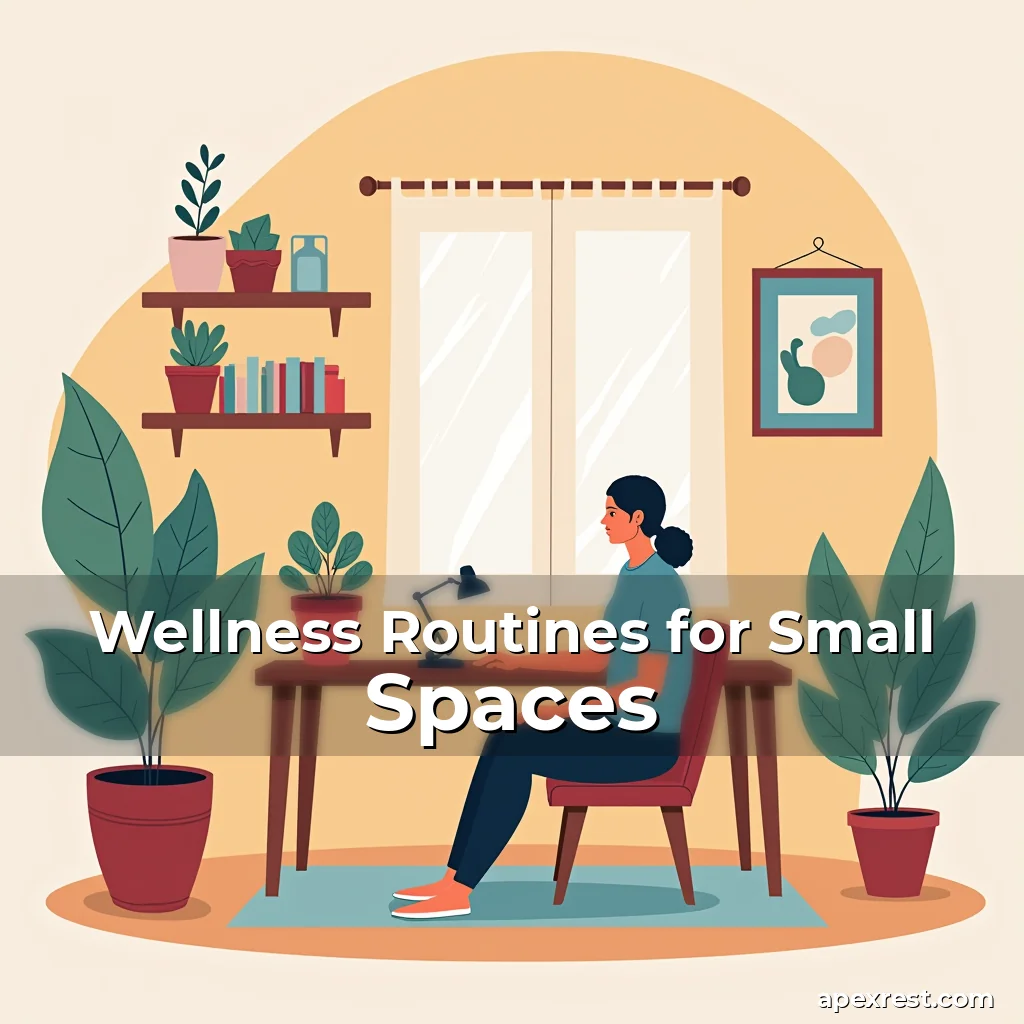
Wellness Routines for Small Spaces
In today’s fast-paced world, finding room for wellness often feels impossible, especially when living in cramped apartments or shared spaces. Yet, prioritizing your health doesn’t require vast rooms or expensive equipment—it thrives in small spaces with intentionality.
Whether you’re navigating city life, student housing, or minimalist living, crafting a wellness routine tailored to your environment empowers you to reclaim balance and vitality. This guide explores creative ways to build sustainable habits that work with, not against, your surroundings.
The Power of Micro-Movements in Compact Living
Movement is foundational to wellness, but traditional gym routines aren’t always feasible in small spaces. Instead, micro-movements—small, frequent actions that promote circulation and flexibility—can transform your day.
Simple stretches during email checks, chair yoga sessions over coffee, or walking laps around your apartment before meals all count toward your active goals. These tiny efforts compound into significant long-term benefits.
- Desk stretches: Perform seated twists, shoulder rolls, and wrist extensions every hour to counteract sedentary posture.
- Mini-workouts: Use resistance bands or bodyweight squats/press-ups in corners to maintain strength without bulkier equipment.
Consistency matters more than duration; aim for five minutes of intentional motion three times daily rather than waiting for ideal conditions.
A study published in the Journal of Physical Activity & Health found that individuals who incorporated micro-exercises reported improved energy levels and reduced fatigue compared to those relying solely on weekly workouts.
This approach aligns perfectly with modern schedules, making it easier to prioritize mobility even amid tight deadlines or unpredictable days.
Nutrition Strategies for Space-Conscious Lifestyles
Eating well in small spaces demands strategic planning focused on efficiency and variety. Limited kitchen space requires clever organization and smart shopping choices.
Cooking in batches, investing in versatile appliances like air fryers or instant pots, and meal prepping on weekends maximize convenience without compromising quality. Prioritize whole foods that store well and nourish the body.
Stock your pantry with staples like quinoa, canned beans, frozen vegetables, and nut butter—nutrient-dense items that minimize waste and reduce grocery trips.
Consider adopting flexible diets like flexitarianism or plant-based eating, which naturally simplify meal planning while supporting overall wellness.
Smart storage systems, such as stackable containers or vertical shelving units, help optimize fridge/freezer space without sacrificing freshness or accessibility.
Digital tools like recipe apps with portion control features and grocery list generators streamline the process, saving time and reducing decision fatigue.
Even with minimal counterspace, dedicating a small area for herbs or countertop gardens adds visual appeal and fresh ingredients year-round.
Remember, nutritional wellness isn’t about perfection—it’s about building habits that sustain you long-term, adapting gracefully to changing circumstances.
Mental Wellness Practices Tailored to Confined Environments
Maintaining mental clarity and emotional resilience becomes critical in high-pres Mindfulness practices gain new significance when external stimuli feel constant.
Create designated quiet zones—even if they’re just cozy corners with cushions or headphones—to foster moments of reflection and calm. These sanctuaries become anchors for mental stability.
Breathing exercises, guided meditations, and journaling sessions don’t require much physical space but yield profound results when practiced regularly. A single notebook and pen suffice for introspection.
Leverage technology wisely: white noise apps, ambient lighting devices, or calming playlists can transform even modest areas into peaceful retreats.
Engaging in cognitive stimulation through puzzles, reading, or learning new skills prevents mental stagnation while occupying minimal square footage.
Studies show that people practicing mindfulness consistently report better mood regulation and lower cortisol levels, proving its effectiveness in challenging environments.
Group therapy or virtual support networks offer connection without demanding physical presence, expanding access to care for those in isolated settings.
Regularly assessing mental health needs helps identify early warning signs, allowing proactive adjustments to your wellness strategy before issues escalate.
Sleep Hygiene in Tight Quarters
Prioritizing sleep becomes increasingly complex when bedroom space is constrained. Creating an optimal sleep environment involves thoughtful design choices and behavioral adjustments.
Invest in blackout curtains, eye masks, and earplugs to combat external disruptions common in urban dwellings or shared accommodations. These affordable solutions significantly improve rest quality.
Temperature regulation plays a crucial role too; cooling bedding options, fans, or dehumidifiers can mitigate discomfort caused by poor ventilation in small rooms.
Establish a bedtime ritual incorporating dimming lights, herbal teas, and limiting screen exposure at least thirty minutes before sleeping.
Using aromatherapy diffusers with lavender or chamomile oils creates soothing atmospheres conducive to falling asleep faster.
If bed-sharing is unavoidable due to space limitations, consider partition screens or separate sleeping pads to maintain boundaries and privacy.
Research indicates that adequate sleep improves concentration, immunity function, and emotional processing abilities—all vital components of holistic wellness.
Tracking sleep patterns through wearable tech allows personalized insights into improving rest quality, revealing opportunities for optimization.
Productivity Optimization Within Spatial Constraints
Small spaces demand streamlined workflows and efficient organization to prevent burnout from cluttered environments. Implementing smart workspace designs enhances both functionality and well-being.
Foldable desks, wall-mounted shelves, and modular furniture enable dynamic configurations that suit varying tasks throughout the day. These adaptable setups reduce physical strain associated with static postures.
Color psychology principles suggest using cool tones in workspaces to boost focus while warm hues encourage relaxation in recreational areas—a simple yet effective way to influence mood.
Decluttering rituals combined with designated storage bins maintain orderliness, minimizing distractions and promoting mental clarity during productive hours.
Incorporating natural elements like indoor plants or nature-inspired artwork elevates ambiance without consuming excessive floor space.
Time-blocking techniques help manage workload efficiently, preventing overwhelm and preserving precious downtime for self-care.
Setting clear boundaries between professional obligations and personal time fosters healthier work-life balances, particularly beneficial in co-living situations.
Technology integration, such as voice assistants or automated reminders, streamlines task management while freeing up mental bandwidth for higher-order thinking.
Fostering Social Connections in Restricted Settings
Human interaction remains fundamental to wellness, even when physical proximity presents challenges. Creative approaches allow meaningful relationships to flourish despite spatial limits.
Virtual meetups via video calls, online game nights, or collaborative projects bridge geographical gaps, enabling continued social engagement from anywhere.
Participating in local community events, workshops, or clubs expands networks beyond immediate neighbors, tapping into broader support systems available within cities.
Sharing experiences through storytelling circles or peer mentoring programs builds camaraderie among residents facing similar lifestyle constraints.
Acts of kindness, whether through helping neighbors with errands or offering skills exchanges, strengthen communal bonds without requiring extensive private space.
Recent surveys indicate increased satisfaction among individuals actively participating in group activities, highlighting the importance of belonging for overall happiness.
Cultivating empathy through volunteer opportunities further enriches perspectives, contributing positively to mental and emotional health.
Documenting interactions digitally preserves memories and provides accountability mechanisms when managing busy schedules that might otherwise hinder consistency.
Creative Expression in Constricted Conditions
Harnessing artistic pursuits becomes an empowering outlet for expression when conventional studios prove inaccessible. Minimalist approaches to creativity unlock unexpected possibilities.
Portable art supplies, digital drawing tablets, or DIY craft kits enable spontaneous creation without permanent installations taking up precious real estate.
Soundproofed music practice pods or headphone usage facilitate musical experimentation in shared living arrangements where acoustics matter.
Writing journals, poetry chapbooks, or narrative podcasts offer alternative forms of literary exploration suited to compact lifestyles.
Photography enthusiasts can capture compelling images using smartphones alone, transforming everyday scenes into visually striking compositions.
Therapeutic benefits of creative endeavors include stress relief, enhanced problem-solving abilities, and strengthened self-awareness—key pillars of wellness.
Exhibiting work through online platforms or neighborhood showcases maintains motivation and connects creators with wider audiences.
Collaborative art initiatives bring communities together, fostering collective growth through shared creative experiences.
Conclusion
Wellness routines tailored to small spaces demonstrate that healthy living transcends physical dimensions. With mindful adaptation, anyone can cultivate thriving habits regardless of environmental constraints.
By embracing micro-movements, optimizing nutrition, nurturing mental health, prioritizing rest, refining productivity, strengthening social ties, and expressing creativity, you create a resilient foundation for lifelong wellness.
“`


news is a contributor at ApexRest. We are committed to providing well-researched, accurate, and valuable content to our readers.
You May Also Like


Tips On How To Choose The Right Generator
So, you are thinking about investing in a generator? Maybe you need one at home, or you want to have...


Ultimate Relaxation Solutions: Practical Applications and Benefits
The Science of Serenity: Uncovering Top Relaxation Solutions for Modern Life In today's fast-paced world, finding true relaxation has become...

Inflation falls to its lowest level in more than 3 years . Here what that means.
The report also showed that the core inflation rate, which excludes volatile food and energy prices, rose 4.2% year-over-year in...
Stress Relief for Small Spaces
Stress Relief for Small Spaces In today's fast-paced world, finding effective stress relief is crucial for maintaining mental well-being. This...