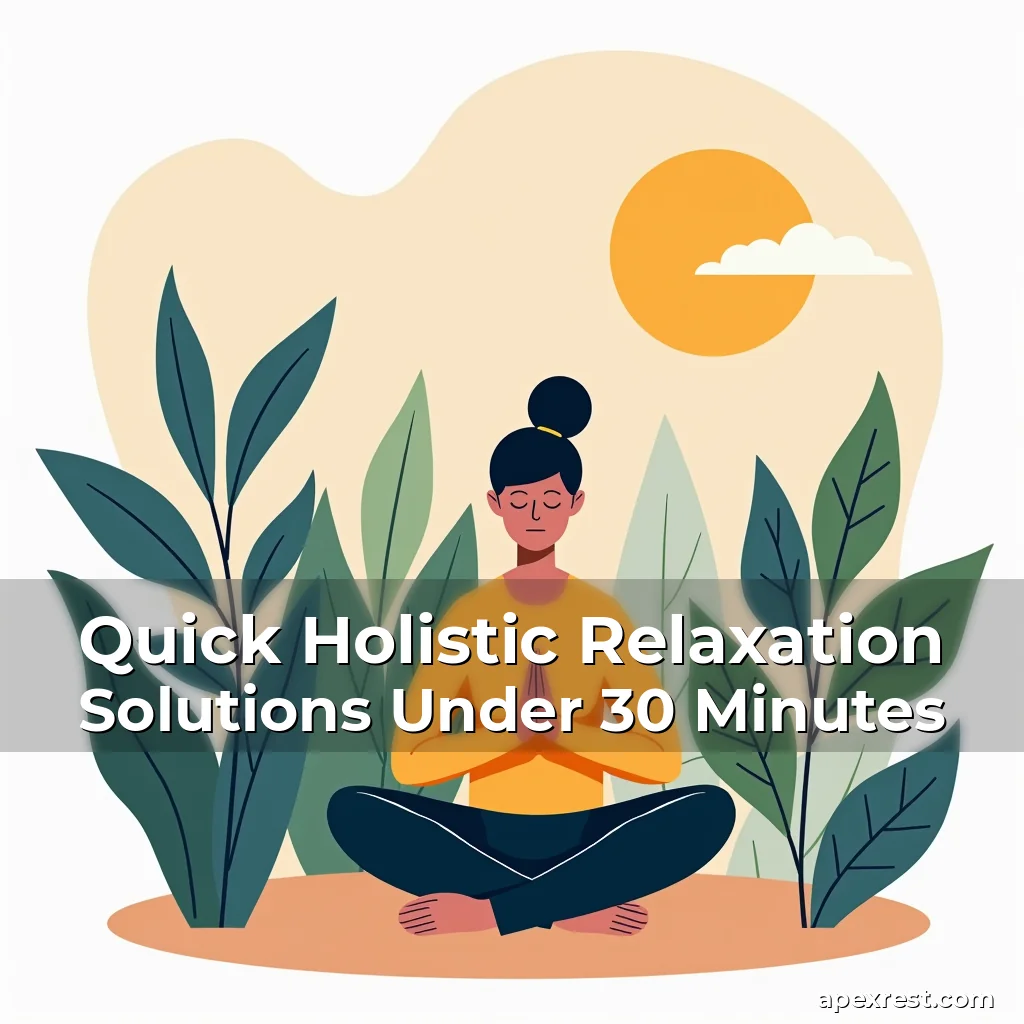
Quick Holistic Relaxation Solutions Under 30 Minutes
In today’s fast-paced world, finding moments of peace can feel impossible. However, holistic relaxation techniques offer powerful tools that fit seamlessly into even the busiest schedules. These methods combine physical comfort, mental clarity, and emotional balance to restore equilibrium quickly.
The beauty of these approaches lies in their accessibility. Whether you’re at your desk during lunch break or waiting for a train, simple practices can transform stress into calm within minutes. Let’s explore practical solutions designed specifically for time-constrained individuals seeking meaningful respite from daily pressures.
Mindful Breathing Techniques
Breathwork is often overlooked as a primary tool for immediate relaxation. Scientific research confirms that controlled breathing patterns activate the parasympathetic nervous system, triggering natural calming responses in under two minutes. This makes breath-focused exercises ideal for rapid stress relief.
One effective method involves inhaling slowly through the nose while counting to four, holding briefly, then exhaling gently through pursed lips over six counts. Repeating this cycle five times creates an instant shift in physiological state. The key is maintaining consistent rhythm without forcing deep inhalations.
- Box breathing: Equal duration for each phase – inhale, hold, exhale, hold. This technique balances oxygen intake and carbon dioxide levels, promoting mental sharpness alongside relaxation.
- Diaphragmatic breathing: Focuses on expanding the abdomen rather than chest movement. This engages core muscles and enhances oxygen exchange efficiency by up to 30% compared to shallow breathing.
Combining these techniques with brief visualization – imagining air carrying away tension with each exhalation – amplifies their effectiveness. Experimenting with different rhythms helps identify what feels most comfortable for individual needs.
Regular practice transforms these exercises into instinctive responses when stress arises. Even three minutes of focused breathing before meetings or difficult conversations significantly improves emotional regulation and decision-making capabilities.
Instant Body Awareness Practices
Body scan meditation adapted for quick sessions offers remarkable benefits. Starting with feet and moving upward, mentally acknowledging sensations takes only five minutes but provides profound grounding effects. This approach reconnects mind and body rapidly after stressful episodes.
Focusing on specific muscle groups proves particularly useful during work breaks. Tensing and releasing shoulders, jaw, or hands releases built-up tension stored in those areas. A single round of progressive muscle relaxation reduces cortisol levels measurably within ten minutes.
Pairing these movements with conscious breathing creates synergistic effects. As you contract a muscle group, take a slow inhale; release it with a prolonged exhale. This coordination enhances both muscular relaxation and respiratory control simultaneously.
For office workers experiencing chronic tension, incorporating micro-relaxation intervals every hour maintains flexibility and prevents long-term musculoskeletal issues. Brief pauses allow renewed focus and reduced fatigue throughout the day.
Sensory Engagement Strategies
Leveraging the senses provides another pathway to quick relaxation. Engaging multiple sensory channels simultaneously strengthens the brain’s ability to disengage from stressors effectively. Simple activities involving sight, sound, touch, taste, or smell create immersive escape experiences.
Cooking or preparing tea becomes a meditative ritual when approached intentionally. Focusing on colors, textures, aromas, and sounds involved in food preparation redirects attention away from worries. This mindful engagement calms the nervous system naturally through distraction and sensory stimulation.
Aromatherapy delivers potent results when used strategically. Inhaling essential oils like lavender or chamomile activates limbic brain regions associated with memory and emotion. Studies show these scents reduce anxiety symptoms within fifteen minutes of exposure.
Tactile experiences such as handling smooth stones, soft fabrics, or textured surfaces also promote tranquility. Incorporating these elements into routine tasks adds layers of sensory richness that enhance overall well-being without requiring extra time.
Miniature Mindfulness Moments
Micro-meditations lasting thirty seconds to two minutes yield surprising benefits. Simply observing surroundings without judgment cultivates present-moment awareness. Noticing colors, shapes, and ambient noises trains the brain to stay grounded instead of drifting into anxious thoughts.
Engaging with nature through brief outdoor excursions produces measurable stress reduction. Spending just five minutes in green spaces lowers blood pressure and increases feelings of vitality. This effect persists even after returning indoors, providing ongoing relief throughout the day.
Listening to nature sounds – birdsong, rainfall, rustling leaves – activates similar neural pathways as actual immersion. These auditory cues induce relaxation states comparable to traditional mindfulness practices, making them excellent alternatives for urban dwellers limited by space constraints.
Integrating these mini-sessions into daily routines ensures continuous self-care without disrupting productivity. Setting reminders for regular check-ins with the environment reinforces healthy habits over time.
Simple Movement Therapies
Gentle stretching sequences can be completed in less than five minutes yet deliver significant benefits. Targeting common tight spots like neck, back, and hips restores mobility while reducing discomfort. Regular practice prevents stiffness from becoming chronic.
Yoga poses modified for brevity maintain therapeutic value without demanding extensive time commitments. Chair yoga variations, standing stretches, and floor-based postures provide flexibility options suitable for various environments and fitness levels.
Dynamic movements such as arm circles, leg swings, and torso twists increase circulation and energy flow. These motions prepare the body for deeper relaxation by releasing endorphins that counteract stress hormones.
Consistency matters more than duration. Performing basic stretches twice daily keeps connective tissues supple and promotes better posture automatically over weeks of regular use.
Nutritional Quick Fixes
Hydration plays a crucial role in managing stress levels. Dehydration exacerbates irritability and cognitive fog, making water intake a foundational element of any relaxation strategy. Carrying a reusable bottle encourages frequent sipping throughout the day.
Consuming nutrient-dense snacks rich in magnesium and B vitamins supports neurological function. Nuts, seeds, whole grains, and leafy greens contain compounds that regulate mood and energy levels efficiently. Planning ahead ensures these foods are readily available when needed.
Herbal teas offer soothing properties without caffeine’s stimulating effects. Chamomile, valerian root, and lemon balm have been traditionally used to ease anxiety and insomnia. Drinking warm beverages signals the body to relax physiologically.
Limiting processed foods high in sugar and refined carbohydrates stabilizes blood glucose fluctuations linked to mood swings. Opting for complex carbs sustains steady energy levels instead of creating peaks and crashes.
Relational Reset Tactics
Human connection serves as a powerful antidote to isolation-induced stress. Brief conversations with colleagues, friends, or family members refresh perspectives and reframe challenges positively. Social interaction triggers oxytocin release, which counters cortisol’s negative impacts.
Emailing someone to express gratitude or share a positive experience generates mutual benefit. These acts reinforce social bonds while improving personal outlook simultaneously. Research shows daily expressions of appreciation boost happiness indicators consistently.
Virtual meetups with loved ones replace face-to-face interactions when circumstances limit physical proximity. Video calls maintain nonverbal communication components vital for relationship maintenance despite technological limitations.
Even passive listening – tuning into podcasts, audiobooks, or music – provides relational benefits by exposing listeners to diverse viewpoints and emotional narratives. Curated playlists become personalized relaxation companions tailored to individual preferences.
Environmental Adjustments
Modifying workspace ergonomics contributes to long-term well-being. Adjustable chairs, monitor height settings, and keyboard positions prevent repetitive strain injuries while enhancing comfort during extended work periods. Small changes yield cumulative improvements over time.
Personalizing environments with plants, artwork, or photos fosters psychological safety and belonging. Greenery has proven stress-reducing qualities, while visual stimuli reflect inner values and aspirations positively influencing mood.
Using noise-canceling headphones or white noise machines creates optimal working conditions. Customizable audio backgrounds help filter out distractions while maintaining necessary alertness levels for productive tasks.
Lighting adjustments affect circadian rhythms significantly. Natural light exposure during daytime hours regulates sleep-wake cycles properly, while dimmer switches accommodate varying activity demands throughout the day.
Digital Detox Mini-Retreats
Implementing screen-free intervals rejuvenates mental faculties depleted by constant connectivity. Designating twenty-minute blocks free from electronic devices allows uninterrupted focus on other pursuits or simply resting without digital interruptions.
Replacing phone scrolling with analog activities like journaling, sketching, or puzzles redirects attention constructively. These offline engagements foster creativity and problem-solving skills beneficial beyond mere relaxation purposes.
Setting boundaries around technology usage establishes healthier habits gradually. Turning off notifications outside designated times reduces information overload risks while preserving mental bandwidth for essential tasks.
Tracking progress using apps or calendars reinforces commitment to digital wellness goals. Visual representations of achieved milestones motivate continued adherence to balanced tech consumption patterns.
Conclusion
Holistic relaxation isn’t about elaborate rituals or lengthy sessions. It thrives in small, intentional actions integrated into everyday life. By embracing these varied strategies, anyone can cultivate enduring serenity amidst modern demands.
Experiment with different methods to discover what resonates personally. Consistent application turns fleeting moments into sustainable sources of calm, transforming how we navigate contemporary living with greater resilience and grace.
“`

news is a contributor at ApexRest. We are committed to providing well-researched, accurate, and valuable content to our readers.