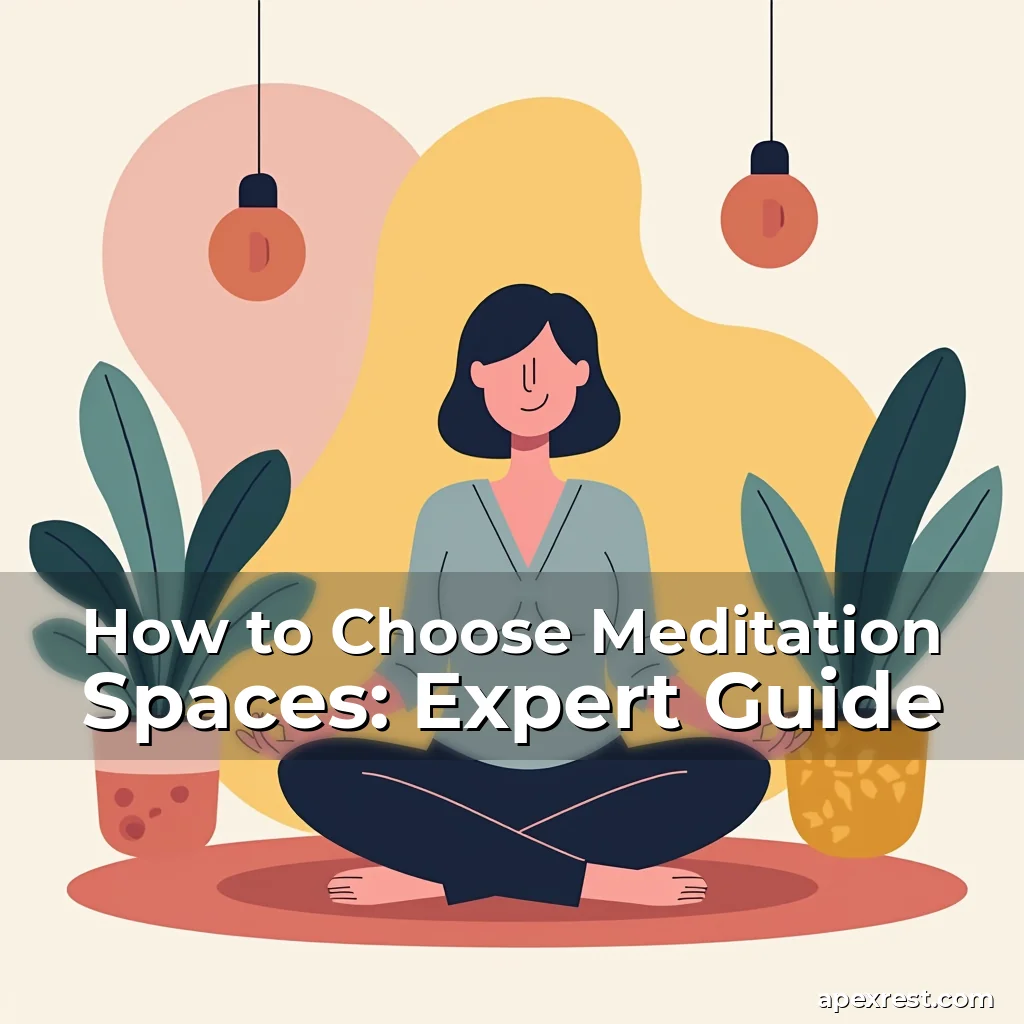
Designing Serene Sanctuary: A Journey Through Optimal Meditation Spaces
In today’s fast-paced world, finding solace is essential, making meditation an increasingly popular practice among individuals seeking peace and mindfulness.
The quality of your meditation space can significantly impact your ability to achieve deep states of relaxation and mental clarity, underscoring its importance as part of any regular meditation routine.
Understanding the Essence of Meditation Spaces
A meditation space serves as both sanctuary and stimulus; it should not only provide physical comfort but also foster calm thoughts that enhance concentration during sessions.
This duality makes designing such areas crucial—whether they are dedicated rooms within homes or serene outdoor spots chosen specifically for their tranquility.
The right environment can transform a simple act into a profound ritual, grounding the mind and body in stillness.
Beyond aesthetics, a meditation space acts as a psychological cue, signaling the brain to transition into a relaxed, receptive state.
- Natural light plays a pivotal role by reducing artificial stress triggers associated with overhead lighting systems.
- Incorporating elements found in nature enhances feelings of connection to Earth and nature—a vital component in achieving inner harmony.
Research shows that exposure to sunlight can regulate circadian rhythms, indirectly supporting better sleep and mood stability, both key aspects of a balanced meditation lifestyle.
Choosing a location near windows or open doorways allows fresh air circulation, which further promotes a sense of openness and clarity.
Evaluating Your Personal Needs Before Designation
Before finalizing where you’ll meditate, consider factors like time availability and personal preferences regarding silence versus soft background sounds that aid focus.
Determining how frequently you plan to use the space informs design choices—from size considerations down to furniture placement, ensuring accessibility without disruption from daily tasks.
If you have limited time, prioritize locations close to your workspace or bedroom, minimizing travel and maximizing convenience.
For those who enjoy group sessions, a larger space or shared area might suit better than a solitary corner.
Your meditation goals also matter. Do you seek solitude for introspection, or would you thrive with subtle communal energy?
Consider seasonal changes too—if you meditate outdoors, evaluate weather patterns and potential disturbances like wind or rain.
Flexibility is key; test different spaces initially before committing to permanent setups.
Crafting Interior Layouts That Promote Mindfulness
Interior layouts demand thoughtful planning to allow seamless movement through various postures—cross-legged, seated on cushions, or reclining for deeper relaxation.
Simplicity in decor avoids sensory overload, which could distract from entering a meditative state. Clutter disrupts mental clarity and symbolic order.
Create focal points such as altars, mirrors reflecting natural views, or statues symbolizing wisdom, guiding the gaze inward rather than outward.
Ensure pathways are clear to prevent obstacles that might cause frustration or interruption during practice.
- Use neutral colors proven to reduce anxiety and improve focus during meditation, as excessive bright hues can overstimulate the senses.
- Add indoor plants strategically to enhance air quality and introduce organic textures that align with calming aesthetics.
Position your seating perpendicular to natural light sources to avoid glare, yet remain within reach of shadows that can soften harsh daytime brightness.
Incorporate sound-absorbing materials like thick curtains or carpets to create a cocoon-like ambiance that muffles external noises and amplifies internal quietude.
Selecting Appropriate Furniture for Enhanced Comfort
Furniture choices influence the physical experience of meditation. While some prefer traditional cross-legged postures, others may require cushions, benches, or chairs to accommodate mobility constraints.
Opt for ergonomic designs that support spinal alignment, preventing discomfort during prolonged sessions and reducing strain on muscles or joints.
Zafus (round meditation cushions) offer firmness for stability, whereas zabutons (rectangular pads) distribute weight evenly, benefiting beginners unfamiliar with floor sitting.
Test different options before purchasing, as comfort varies based on height, flexibility, and posture habits.
Multi-layered seating systems, like stacking yoga blocks beneath a mat, allow customization for precise elevation adjustments.
Choose washable fabrics for ease of cleaning, especially if pets, children, or frequent visitors use the space regularly.
Minimalist designs free up visual space, reinforcing the intention behind meditation—to simplify existence and eliminate distraction.
Incorporating Soundscapes and Light Control Features
Meditation environments benefit from intentional control over acoustics, offering either complete silence for deep contemplation or gentle ambient sounds to sustain awareness.
White noise machines, wind chimes, or softly playing instrumental music can help anchor the mind, particularly useful during guided sessions or when ambient noise is unavoidable.
Experiment with varying decibel levels to determine what fosters calm without becoming a distraction, balancing auditory stimulation with mental repose.
Lighting configurations dramatically affect mood. Dimmable lamps or LED strips simulate dawn-dusk cycles, mirroring the body’s natural rhythm and aiding relaxation.
Warm-colored lights (around 2700K Kelvin) evoke intimacy and coziness, contrasting cold white tones that feel clinical and stimulating.
Install blackout curtains if using nightlight options, ensuring privacy and uninterrupted darkness for restorative sleep-enhancing sessions.
- Soundproofing measures, like thick rugs or heavy drapes, minimize outside interruptions, preserving the sanctity of the space.
- Smart home integration offers voice-controlled adjustments to lighting and music, streamlining transitions between activity modes seamlessly.
Consider incorporating aromatherapy diffusers for scents like lavender or sandalwood, which studies suggest lower heart rate and blood pres
Leveraging Natural Elements Within Artificial Environments
Even indoors, integrating natural components boosts wellness outcomes, linking greenery to reduced stress hormones like cortisol and increased cognitive function during meditation.
Studies indicate that merely viewing plants can lower perceived exertion during stressful tasks, suggesting similar benefits might apply to spiritual practices requiring focus.
Wooden accents and stone surfaces mimic outdoor textures, evoking subconscious associations with nature that trigger relaxation responses.
Create micro-environments by grouping objects thematically—for example, combining crystals, candles, and incense in one corner to form a sensory hub.
Terrariums or vertical gardens add dynamic visuals, encouraging mindful observation of plant growth processes, which parallels personal development journeys.
- Water features like tabletop fountains emulate flowing water, producing soothing sounds reminiscent of rivers or rainfall, common metaphors in many meditation traditions.
- Earthenware bowls, clay pots, or woven baskets contribute tactile richness, contrasting modern synthetic materials that often dominate interiors.
Incorporate natural materials not only for aesthetic value but also because they ground occupants physically and mentally, counterbalancing the abstraction of digital technology prevalent in daily lives.
Creating Multi-functional Areas Without Compromising Peace
Mindful use of multi-purpose zones optimizes spatial efficiency, especially in smaller apartments, allowing a single room to serve as both a workplace and meditative retreat without loss of serenity.
Prioritize foldable or modular furniture that tucks away neatly when not in use, restoring uncluttered minimalism central to a tranquil atmosphere.
Vaulted ceilings or high shelves can store unused items discreetly out of sight, maintaining an illusion of spaciousness and cleanliness that supports mental clarity.
If sharing the space with others, establish boundaries through designated hours or subtle cues like curtains drawn halfway to signal ‘do not disturb’ status.
Use removable partitions made of fabric or bamboo screens to create temporary divisions between active and passive areas, adapting the layout as needed.
- Wall-mounted storage units maximize floor space while presenting curated displays of meaningful artifacts that reinforce spiritual intentions.
- Transform walls into canvases for inspirational quotes or mandalas, subtly reinforcing themes of peace, resilience, and interconnectedness relevant to meditation philosophies.
Harness the power of scent with diffusers operated only during meditation, eliminating intrusive odors that might conflict with concentration or spiritual resonance.
Exploring Outdoor Meditation Spaces
Outdoor environments offer unparalleled advantages, merging direct engagement with nature’s rhythms, seasons, and weather phenomena into the meditation process itself.
Gardens, terraces, or forest trails become extensions of the self, inviting immersion rather than detachment from the surrounding ecosystem.
The changing light of day, rustling leaves, or distant bird calls introduce variables that challenge fixed expectations, cultivating adaptability and presence—the core tenets of mindfulness.
Rainy days transform surfaces into reflective pools, encouraging observational skills honed through impermanence, while sunny mornings invite gratitude for warmth and visibility.
Season-specific decorations, like autumn leaves collected for altar arrangements, deepen connection with temporal shifts emphasized in Buddhist and Daoist teachings.
- Kneel on grass for grounding exercises, utilizing the earth’s conductivity to balance electrical charges in the body, a concept supported by Japanese earthing practices.
- Chalk circular paths around trees for walking meditation, blending motion with breathwork to engage both kinetic and kinetic energy channels in holistic healing approaches.
Secure the space against wildlife intrusions without compromising ecological harmony—use natural deterrents like aromatic herbs instead of chemicals that disrupt local fauna.
The Role of Cultural Context in Meditation Space Creation
Cultural heritage profoundly shapes ideals about ideal conditions for meditation, influencing everything from preferred orientations (eastern vs western facing), color symbolism, to ceremonial objects incorporated into setups.
Buddhist monks favor east-facing entrances to receive first rays of sunrise, signifying renewal and spiritual awakening as central motifs within their tradition.
Hindu temples traditionally position idols facing northward to honor Lord Shiva’s direction, reflecting cosmic alignments believed to govern human destiny and karma accrual.
Indigenous cultures sometimes construct sweat lodges surrounded by sacred fires, emphasizing purification rites intertwined with ancestral storytelling transmitted orally across generations.
In Taoist philosophy, arranging stones randomly around water bodies encourages spontaneity, resisting rigid forms which might impose unwanted restrictions on creative expression.
- Native American dreamcatchers filter nightmares via webbed fibers, embodying protective energies that resonate deeply within shamanic cosmologies valuing dreams as portals between realms.
- Japanese rock gardens emulate landscapes using raked gravel patterns representing waves, drawing viewers into meditative trances through indirect representations rather than literal depictions.
Bridging cultural perspectives enriches understanding, enabling synthesis of diverse practices to craft personalized sanctuaries attuned uniquely to one’s spiritual lineage and evolving identity.
Maintaining Longevity and Utility of Sacred Spaces
Sustained functionality requires regular maintenance routines addressing wear-and-tear issues likely to accumulate over months of continuous usage, especially concerning cushions, flooring, and electronic devices.
Implement a rotating schedule for deep-cleaning surfaces, ensuring bacteria buildup doesn’t undermine hygiene standards necessary for uninterrupted spiritual progressions.
Monitor structural integrity quarterly, tightening loose screws or replacing frayed cords to uphold safety protocols amidst heightened sensory engagement characteristic of advanced stages of practice.
Periodically reassess needs based on shifting priorities; perhaps once-a-month reevaluation prompts updates like acquiring new journals for note-taking or adjusting seating heights due to physiological changes.
Engage professional cleaners specializing in allergen removal for asthmatics or eczema-prone individuals relying heavily on airborne irritants’ absence for therapeutic success rates.
- Replace incense cones annually regardless of apparent freshness, as chemical compositions degrade even when stored properly, potentially affecting olfactory perceptions crucial for ritual immersion.
- Service smart speakers or apps controlling climate settings yearly to guarantee optimal responsiveness during silent moments demanding absolute tech neutrality.
Cultivate an attitude of reverence toward the space, treating it as both refuge and temple worthy of respectful care equivalent to how ancient monastic orders preserved their holy grounds meticulously through centuries.
Conclusion
Thoughtfully designed meditation spaces contribute immeasurably to enhancing the frequency, intensity, and depth achievable through consistent meditation routines integrated into daily life schedules.
By critically assessing personal requirements, selecting apt environmental features, and maintaining regular upkeep, ordinary corners of dwellings transform into sacred havens promoting enduring positive impacts on mental and emotional well-being.
Ultimately, the journey of curating these spaces isn’t merely functional—it becomes a profound act of devotion honoring the intrinsic worth of stillness amid contemporary chaos, accessible universally across global communities embracing mindfulness wherever they reside.
Commit yourself fully to exploring possibilities afforded by architectural creativity; remember, true magic lies not solely within prescribed norms but in forging bespoke domains uniquely yours capable of nurturing lifelong transformation aligned with highest aspirations.

news is a contributor at ApexRest. We are committed to providing well-researched, accurate, and valuable content to our readers.