


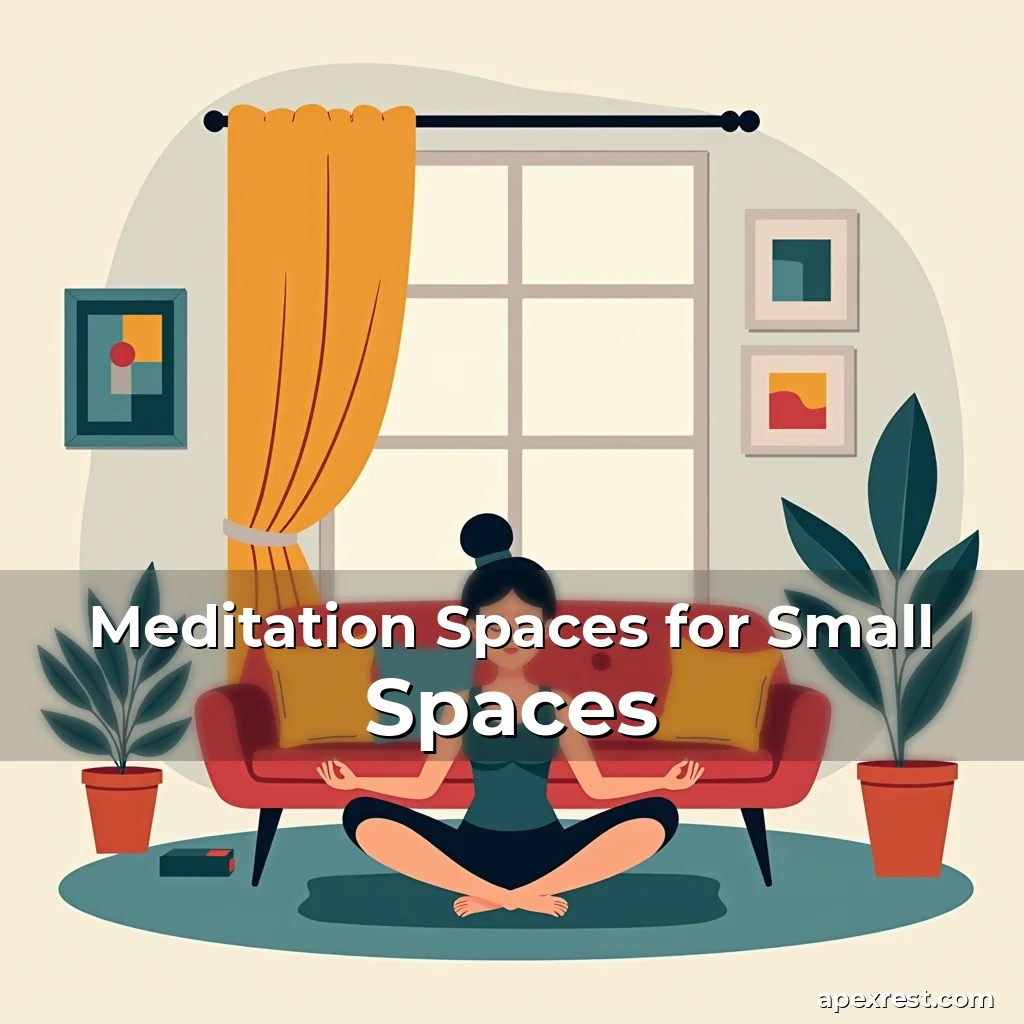
The Art of Creating Sanctuary: Designing Meditation Spaces That Nourish the Mind
In an age where digital noise constantly vies for our attention, finding a personal meditation space has become essential for mental clarity and emotional well-being. This sanctuary doesn’t have to be grandiose—sometimes the most profound transformations occur in the quietest corners of our homes.
A thoughtfully designed meditation area can turn any room into a haven of peace, offering respite from life’s daily chaos without requiring significant financial investment. Whether tucked away in a spare bedroom or repurposed as a corner of your living room, these sacred spaces hold immense potential for cultivating mindfulness and inner calm.
Understanding the Purpose of Meditation Spaces
Meditation spaces serve as physical manifestations of intention. They are environments specifically curated to support focused breathing, introspection, and relaxation techniques that reduce stress and enhance concentration.
These designated areas help create psychological boundaries between work, social interactions, and self-reflection time. By associating a particular location with mindful practices, individuals train their brains to enter meditative states more easily when they sit down in that spot.
The effectiveness of meditation rooms lies largely in their ability to minimize distractions. Soft lighting, minimal decor, and calming scents contribute to an atmosphere conducive to deep contemplation rather than shallow thinking patterns.
- Designated purpose: When people associate a specific place with meditation, their minds automatically shift into a relaxed state upon entering the space.
- Sensory stimulation control: Careful selection of colors, sounds, and textures helps maintain optimal conditions for mental stillness and emotional balance.
Selecting the Ideal Location
Finding the right spot within your home is crucial for creating a functional meditation environment. Look for areas naturally free from constant foot traffic and external disturbances such as street noises or household activity zones.
Corners often provide excellent opportunities due to their inherent sense of enclosure and privacy. Even small nooks near windows can benefit from natural light while maintaining visual separation from other parts of the house.
Basements may offer surprising advantages through their inherent tranquility and insulation from outside interruptions. However, ensure adequate ventilation and consider adding soundproofing materials if necessary for complete serenity.
Consider accessibility factors too—your meditation space should be easy to reach after long days at work or during late-night sessions when energy levels fluctuate significantly.
Essential Elements for Effective Mediation Areas
A successful meditation space incorporates several key components working together harmoniously. The foundation consists of comfortable seating that supports good posture without causing discomfort over extended periods.
Pillows, cushions, or even simple blankets placed strategically under the knees or behind the back can make all difference in achieving proper alignment during practice sessions. Ergonomic considerations shouldn’t be overlooked despite the spiritual nature of this endeavor.
Lighting plays another vital role in shaping the ambiance. Natural daylight offers therapeutic benefits but might need softening with sheer curtains or diffusers depending on intensity levels outdoors. LED strips along walls or ceilings provide adjustable illumination options tailored precisely to individual preferences.
Aromatherapy elements like incense sticks, essential oil diffusers, or dried herbs add sensory layers enhancing overall experience quality without overwhelming practitioners’ senses unnecessarily.
Creating a Calming Atmosphere Through Aesthetic Choices
Visual aesthetics greatly influence how effectively someone can engage in deep meditation exercises regularly. Neutral color palettes featuring earth tones promote feelings of stability whereas vibrant hues stimulate brain activity which could distract from desired outcomes.
Minimalist approaches tend to yield better results since excessive ornamentation introduces cognitive clutter that hinders presence awareness development. Choose furniture pieces made from natural materials like wood or stone whenever possible—they connect occupants physically with nature itself.
Incorporating plants adds both aesthetic appeal and air-purifying properties simultaneously; however, avoid varieties known for rapid growth cycles unless you’re prepared to manage them consistently without disrupting serene surroundings intentionally cultivated there.
Soft textiles such as throw rugs or woven mats introduce tactile sensations reinforcing grounding effects particularly useful during anxious episodes or stressful situations demanding immediate relief measures.
Integrating Technology Thoughtfully
While traditionalists might prefer completely technology-free environments, modern solutions exist allowing tech integration without compromising tranquility principles. Smart devices capable of adjusting temperature settings automatically based on body heat sensors represent one example worth exploring.
Sound systems programmed with ambient nature recordings or guided visualization tracks enable personalized experiences catering exactly what each practitioner needs moment by moment rather than relying solely on memory recall abilities alone.
However caution remains warranted regarding screen usage—direct exposure to electronic displays before/after sessions generally proves detrimental given blue light emission characteristics affecting circadian rhythms negatively overtime.
When considering technological additions always prioritize features promoting restfulness instead those encouraging productivity or information consumption activities inherently opposed toward achieving inner peace objectives set forth initially.
Personalizing Your Space According to Individual Needs
No two meditation spaces will ever be identical because every person brings unique requirements shaped by lifestyle choices cultural backgrounds personal beliefs among countless variables influencing final designs produced thereof.
Newcomers experimenting different styles might find value trying out various layouts until discovering arrangements best suited personally. Consider tracking progress notes detailing which configurations yielded greatest satisfaction improvements experienced afterward.
Those practicing specific traditions should incorporate relevant symbols objects used traditionally within respective schools ensuring authenticity maintained throughout entire process regardless scale involved whether modest apartment dwellings expansive retreat centers alike.
For individuals dealing chronic pain insomnia anxiety disorders consult professionals first prior attempting design modifications aimed addressing underlying issues potentially exacerbated improperly executed changes implemented carelessly without sufficient knowledge base supporting decisions taken therein.
Nurturing Community Within Personal Sanctuaries
Though primarily private domains intended exclusive use single users occasional sharing possibilities arise especially amongst family members friends seeking similar benefits derived participation collective experiences fostering stronger bonds simultaneously.
Establish clear guidelines governing access permissions ensuring everyone respects boundaries established protecting sanctity preserved undisturbed whenever required providing safe refuge amid world outside doors waiting beyond threshold separating inside peace exterior turmoil.
Group meditation events organized locally may inspire reimagining existing setups accommodating additional participants comfortably thereby transforming solitary havens temporary gathering points promoting shared spiritual journeys undertaken together strengthening communal ties formed through mutual understanding achieved traversing common challenges faced universally irrespective geographical locations cultures encountered globally today.
Regular maintenance routines remain critical sustaining pristine condition facilities utilized frequently preventing accumulation debris dust particles likely accumulating unnoticed contributing gradual degradation quality assurance standards upheld continuously monitored proactively addressed promptly whenever detected early enough avoiding escalation problems becoming insurmountable later stages development lifecycle spanning years ahead.
Conclusion
Thoughtfully crafted meditation spaces act as anchors connecting individuals deeply rooted realities everyday lives abstract concepts mindfulness transcendence enlightenment pursued earnestly committed seekers embarking transformative paths leading ultimate fulfillment sought tirelessly throughout existence.
Create your own tranquil oasis now—experiment freely discover what resonates most authentically within heart soul eventually arriving destination uniquely yours reflecting true essence being fully realized manifested tangibly through lovingly nurtured environment carefully constructed piece by careful consideration invested wholeheartedly into making special meaningful part ongoing journey towards lasting happiness achievable anyone willing embrace simplicity found within stillness silence.
“`
The Art of Creating Sanctuary: Designing Meditation Spaces That Nourish the Mind
In an age where digital noise constantly vies for our attention, finding a personal meditation space has become essential for mental clarity and emotional well-being. This sanctuary doesn’t have to be grandiose—sometimes the most profound transformations occur in the quietest corners of our homes.
A thoughtfully designed meditation area can turn any room into a haven of peace, offering respite from life’s daily chaos without requiring significant financial investment. Whether tucked away in a spare bedroom or repurposed as a corner of your living room, these sacred spaces hold immense potential for cultivating mindfulness and inner calm.
Understanding the Purpose of Meditation Spaces
Meditation spaces serve as physical manifestations of intention. They are environments specifically curated to support focused breathing, introspection, and relaxation techniques that reduce stress and enhance concentration.
These designated areas help create psychological boundaries between work, social interactions, and self-reflection time. By associating a particular location with mindful practices, individuals train their brains to enter meditative states more easily when they sit down in that spot.
The effectiveness of meditation rooms lies largely in their ability to minimize distractions. Soft lighting, minimal decor, and calming scents contribute to an atmosphere conducive to deep contemplation rather than shallow thinking patterns.
- Designated purpose: When people associate a specific place with meditation, their minds automatically shift into a relaxed state upon entering the space.
- Sensory stimulation control: Careful selection of colors, sounds, and textures helps maintain optimal conditions for mental stillness and emotional balance.
Selecting the Ideal Location
Finding the right spot within your home is crucial for creating a functional meditation environment. Look for areas naturally free from constant foot traffic and external disturbances such as street noises or household activity zones.
Corners often provide excellent opportunities due to their inherent sense of enclosure and privacy. Even small nooks near windows can benefit from natural light while maintaining visual separation from other parts of the house.
Basements may offer surprising advantages through their inherent tranquility and insulation from outside interruptions. However, ensure adequate ventilation and consider adding soundproofing materials if necessary for complete serenity.
Consider accessibility factors too—your meditation space should be easy to reach after long days at work or during late-night sessions when energy levels fluctuate significantly.
Essential Elements for Effective Mediation Areas
A successful meditation space incorporates several key components working together harmoniously. The foundation consists of comfortable seating that supports good posture without causing discomfort over extended periods.
Pillows, cushions, or even simple blankets placed strategically under the knees or behind the back can make all difference in achieving proper alignment during practice sessions. Ergonomic considerations shouldn’t be overlooked despite the spiritual nature of this endeavor.
Lighting plays another vital role in shaping the ambiance. Natural daylight offers therapeutic benefits but might need softening with sheer curtains or diffusers depending on intensity levels outdoors. LED strips along walls or ceilings provide adjustable illumination options tailored precisely to individual preferences.
Aromatherapy elements like incense sticks, essential oil diffusers, or dried herbs add sensory layers enhancing overall experience quality without overwhelming practitioners’ senses unnecessarily.
Creating a Calming Atmosphere Through Aesthetic Choices
Visual aesthetics greatly influence how effectively someone can engage in deep meditation exercises regularly. Neutral color palettes featuring earth tones promote feelings of stability whereas vibrant hues stimulate brain activity which could distract from desired outcomes.
Minimalist approaches tend to yield better results since excessive ornamentation introduces cognitive clutter that hinders presence awareness development. Choose furniture pieces made from natural materials like wood or stone whenever possible—they connect occupants physically with nature itself.
Incorporating plants adds both aesthetic appeal and air-purifying properties simultaneously; however, avoid varieties known for rapid growth cycles unless you’re prepared to manage them consistently without disrupting serene surroundings intentionally cultivated there.
Soft textiles such as throw rugs or woven mats introduce tactile sensations reinforcing grounding effects particularly useful during anxious episodes or stressful situations demanding immediate relief measures.
Integrating Technology Thoughtfully
While traditionalists might prefer completely technology-free environments, modern solutions exist allowing tech integration without compromising tranquility principles. Smart devices capable of adjusting temperature settings automatically based on body heat sensors represent one example worth exploring.
Sound systems programmed with ambient nature recordings or guided visualization tracks enable personalized experiences catering exactly what each practitioner needs moment by moment rather than relying solely on memory recall abilities alone.
However caution remains warranted regarding screen usage—direct exposure to electronic displays before/after sessions generally proves detrimental given blue light emission characteristics affecting circadian rhythms negatively overtime.
When considering technological additions always prioritize features promoting restfulness instead those encouraging productivity or information consumption activities inherently opposed toward achieving inner peace objectives set forth initially.
Personalizing Your Space According to Individual Needs
No two meditation spaces will ever be identical because every person brings unique requirements shaped by lifestyle choices cultural backgrounds personal beliefs among countless variables influencing final designs produced thereof.
Newcomers experimenting different styles might find value trying out various layouts until discovering arrangements best suited personally. Consider tracking progress notes detailing which configurations yielded greatest satisfaction improvements experienced afterward.
Those practicing specific traditions should incorporate relevant symbols objects used traditionally within respective schools ensuring authenticity maintained throughout entire process regardless scale involved whether modest apartment dwellings expansive retreat centers alike.
For individuals dealing chronic pain insomnia anxiety disorders consult professionals first prior attempting design modifications aimed addressing underlying issues potentially exacerbated improperly executed changes implemented carelessly without sufficient knowledge base supporting decisions taken therein.
Nurturing Community Within Personal Sanctuaries
Though primarily private domains intended exclusive use single users occasional sharing possibilities arise especially amongst family members friends seeking similar benefits derived participation collective experiences fostering stronger bonds simultaneously.
Establish clear guidelines governing access permissions ensuring everyone respects boundaries established protecting sanctity preserved undisturbed whenever required providing safe refuge amid world outside doors waiting beyond threshold separating inside peace exterior turmoil.
Group meditation events organized locally may inspire reimagining existing setups accommodating additional participants comfortably thereby transforming solitary havens temporary gathering points promoting shared spiritual journeys undertaken together strengthening communal ties formed through mutual understanding achieved traversing common challenges faced universally irrespective geographical locations cultures encountered globally today.
Regular maintenance routines remain critical sustaining pristine condition facilities utilized frequently preventing accumulation debris dust particles likely accumulating unnoticed contributing gradual degradation quality assurance standards upheld continuously monitored proactively addressed promptly whenever detected early enough avoiding escalation problems becoming insurmountable later stages development lifecycle spanning years ahead.
Conclusion
Thoughtfully crafted meditation spaces act as anchors connecting individuals deeply rooted realities everyday lives abstract concepts mindfulness transcendence enlightenment pursued earnestly committed seekers embarking transformative paths leading ultimate fulfillment sought tirelessly throughout existence.
Create your own tranquil oasis now—experiment freely discover what resonates most authentically within heart soul eventually arriving destination uniquely yours reflecting true essence being fully realized manifested tangibly through lovingly nurtured environment carefully constructed piece by careful consideration invested wholeheartedly into making special meaningful part ongoing journey towards lasting happiness achievable anyone willing embrace simplicity found within stillness silence.
“`


news is a contributor at ApexRest. We are committed to providing well-researched, accurate, and valuable content to our readers.
You May Also Like


Aromatherapy: Essential Tools and Resources
Aromatherapy: Essential Tools and Resources In recent years, aromatherapy has emerged as a powerful tool for enhancing well-being through the...

Quick Self-Care Practices Solutions Under 30 Minutes
Mindfulness Techniques That Fit Into Your Day Mindfulness has become synonymous with meditation apps and long breathing sessions, but its...

Self-Care Practices: Essential Tools and Resources
The Art of Self-Care: Cultivating Wellbeing Through Mindful Living In today's fast-paced world, self-care is often dismissed as indulgence rather...

"westin saraya aqaba resort & spa: luxury hospitality meets jordanian splendor"
The resort's design, inspired by the natural beauty of the Aqaba region, features a blend of modern luxury and traditional...