


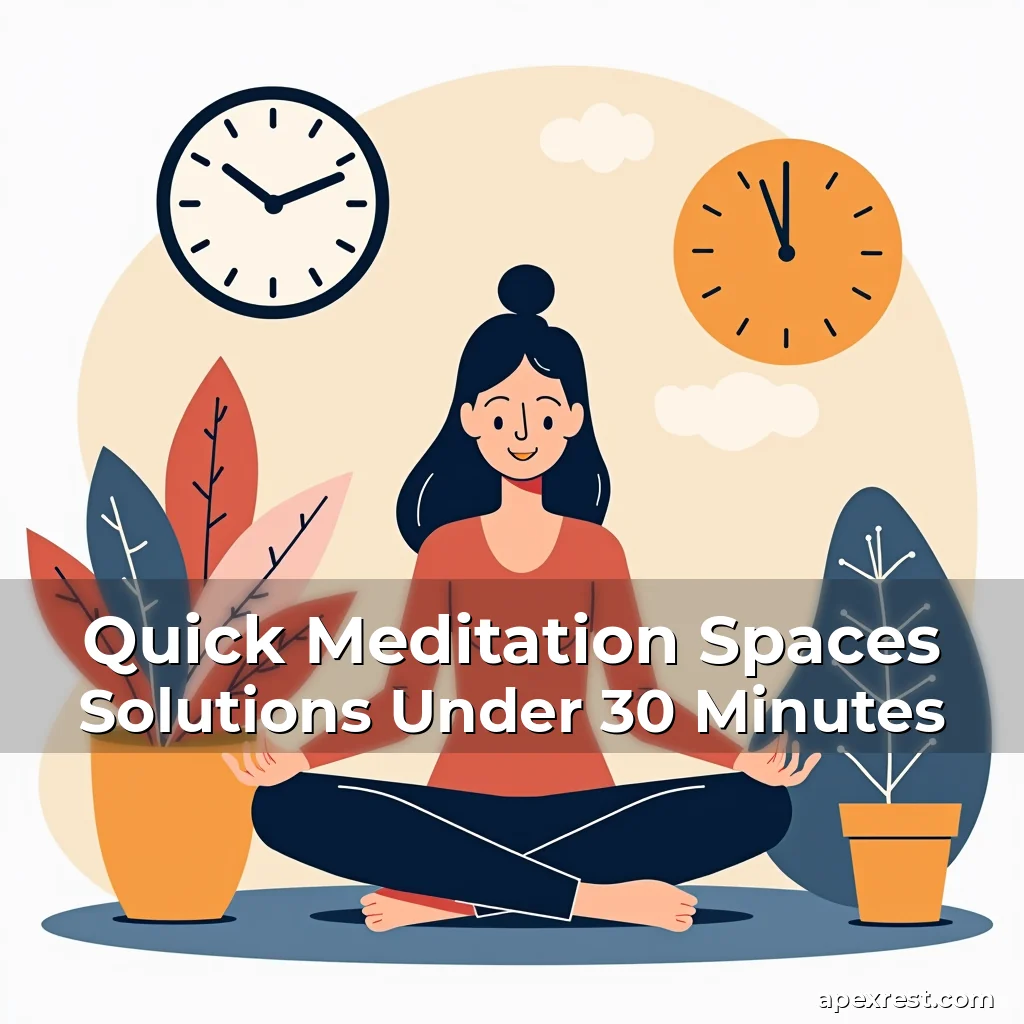
Portable Options for On-the-Go Practitioners
For those constantly moving between locations—students, remote workers, or frequent travelers—portable solutions are invaluable. Compact meditation cushions, foldable mats, and digital apps offering guided sessions enable consistent practice regardless of setting.
Certain tools, like travel-sized aromatherapy diffusers or noise-canceling headphones, further enhance mobility without sacrificing quality. These devices can replicate the ambiance of a dedicated space, helping practitioners transition seamlessly into mindfulness mode wherever they go.
Leveraging Technology Without Overload
While technology often drowns us in noise, smart devices can support meditation when used mindfully. Apps featuring progressive muscle relaxation exercises or breathing guides offer structured routines. Similarly, voice assistants can play gentle music or remind users to pause and breathe at regular intervals.
However, moderation is key. Limit screen exposure before and after sessions to prevent cognitive overload. Opt for offline features whenever possible, ensuring your focus stays inward rather than entangled with notifications or data connectivity.
Digital Detox Strategies
Scheduled tech-free zones around meditation times reinforce discipline. Turn off non-essential alerts, store phones away, or use app blockers temporarily. This creates boundaries that protect mental space from intrusive modern demands.
Incorporate analog alternatives, such as journaling with pen and paper or using sand timers instead of phone alarms. These tactile experiences ground awareness in the present moment, deepening the overall impact of meditation practices.
Eco-Friendly Materials for Sustainable Practice
Creating eco-conscious meditation areas supports both personal well-being and planetary health. Choose biodegradable or recycled products—for instance, yoga mats made from natural rubber or cushions filled with organic cotton. Such choices align mindfulness principles with broader ecological responsibility.
Indoor plants add life to any meditation corner while purifying air and symbolizing growth. Low-maintenance options like snake plants or pothos thrive indoors and contribute to a sense of renewal without requiring extensive care.
Customization Through Personal Rituals
Ultimately, the best meditation spaces resonate with individual preferences. Experiment with scents—lavender for calm, citrus for energy—or incorporate meaningful objects passed down through generations. These personalized touches deepen emotional connections to the practice.
Rituals also matter: lighting a candle before sitting, taking three slow breaths upon entering the space, or placing hands gently on knees. Consistent actions anchor intentions, transforming routine into sacred habit.
Fostering Community Within Private Spaces
Meditation doesn’t have to be solitary. Designate a communal area within your living space for group sessions, whether with family, friends, or online communities. Shared practice builds accountability and strengthens social bonds through collective mindfulness.
Virtual platforms now offer synchronized meditation events, allowing geographically dispersed groups to connect simultaneously. Combining private sanctuaries with shared experiences broadens the scope of what meditation can achieve socially and emotionally.
Maintaining Balance Between Simplicity and Functionality
Over time, your meditation space may evolve alongside your goals. Periodically reassess layouts, update decor based on seasonal changes, or integrate new techniques learned through courses or books. Flexibility keeps the space dynamic and relevant.
Yet, resist the urge to overcomplicate things. Return frequently to core principles—comfort, silence, and intention—and adjust only when necessary. A meditation room thrives on consistency rather than grandeur.
Conclusion
Meditation spaces are not about architectural marvels or lavish décor—they’re about crafting environments that nurture inner peace. By focusing on accessible designs, mindful technologies, and sustainable habits, anyone can establish a sanctuary for calm amid chaos.
Take action today: identify one change you can implement in your current space. Whether it’s adjusting lighting, decluttering a surface, or scheduling a weekly session, progress begins with small steps toward greater mindfulness.


news is a contributor at ApexRest. We are committed to providing well-researched, accurate, and valuable content to our readers.
You May Also Like


Xi extends festive greetings to teachers and students in China
He made the remarks during a visit to Hunan First Normal University in Changsha, Central China's Hunan province, on March...

Harmony Price Hits $0 . 0116 on Top Exchanges ( ONE )
The Harmony ecosystem is built on a decentralized network of validators, which is a key feature that distinguishes it from...
Mindfulness Best Practices 2025
Mindfulness Best Practices 2025 In an era defined by rapid technological advancement and constant digital connectivity, the practice of mindfulness...

Dermatology Devices Market Demand In The New Analysis By Leading Research Firm Let's dive into the market!
This growth is driven by factors such as the rising prevalence of skin cancer, increasing awareness of skin health, and...