
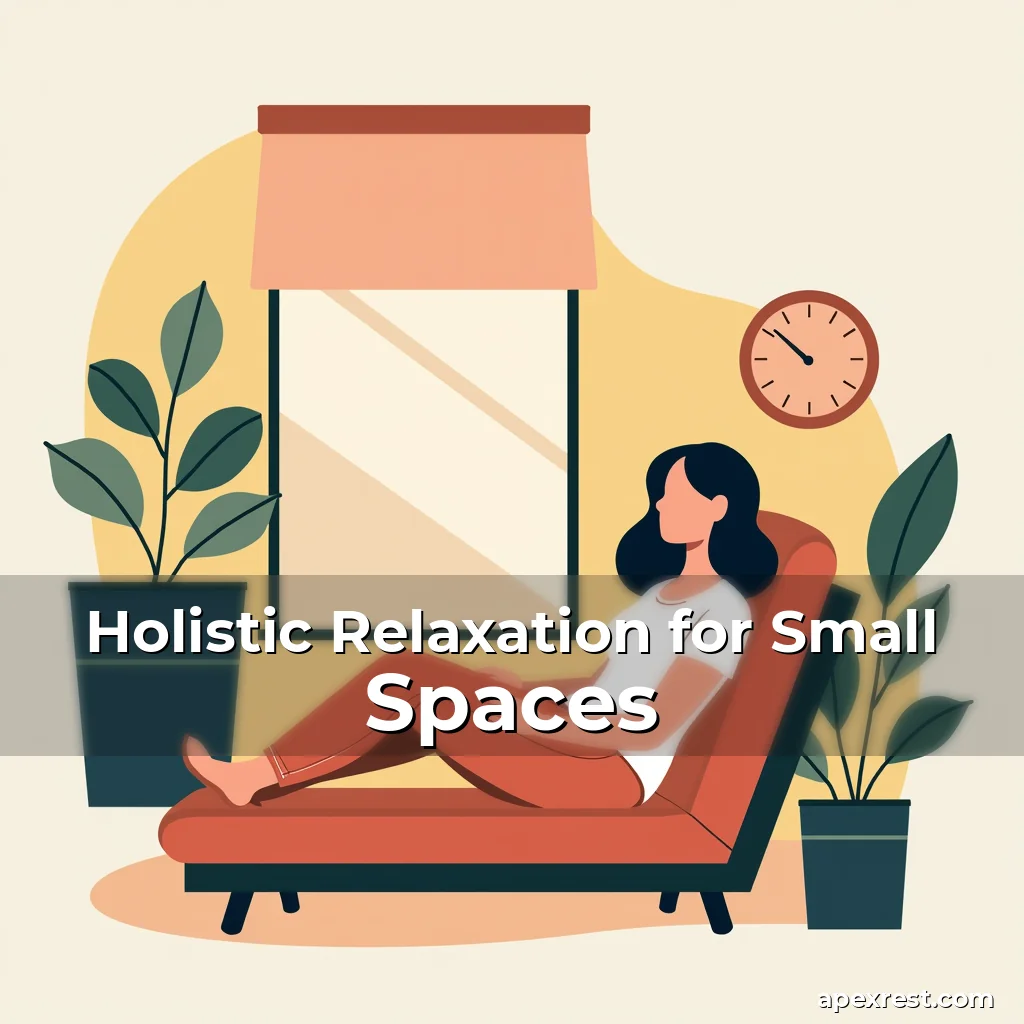
Holistic Relaxation for Small Spaces
In today’s fast-paced world, finding moments of peace can feel increasingly difficult—especially when living in cramped quarters. Holistic relaxation offers an accessible solution by integrating physical comfort, mental clarity, and environmental harmony within limited spaces.
This approach transforms small areas into sanctuaries where individuals can rejuvenate their minds and bodies without requiring vast square footage. Whether you’re a city dweller or someone with minimal space at home, holistic methods provide effective pathways to unwinding.
The Science Behind Relaxation and Wellbeing
Holistic relaxation leverages principles from psychology, neuroscience, and traditional healing practices. When we relax, our bodies shift from fight-or-flight mode to rest-and-digest state, which lowers cortisol levels and promotes emotional stability.
Research shows that even brief periods of deep breathing or mindful observation significantly reduce stress hormones. This physiological response lays the foundation for long-term mental health benefits.
The brain’s default mode network becomes active during relaxed states, allowing creativity and self-reflection to flourish naturally. These neural changes reinforce why consistent relaxation routines are so powerful.
Crafting Your Personalized Space
Your environment plays a crucial role in how effectively you can unwind. Even modest rooms can be transformed through thoughtful design choices that prioritize both function and tranquility.
Bold color contrasts create visual interest while calming hues like soft blues and greens promote serenity. Strategic use of lighting, including warm bulbs and natural daylight expo
- Integrate multi-functional furniture such as foldable chairs or storage ottomans
- Add plants to purify air and bring nature indoors
- Use sound-absorbing materials like curtains or acoustic panels
Mindful Practices for Limited Areas
Physical space limitations shouldn’t restrict your ability to practice mindfulness techniques. Many relaxation exercises require only minimal room movement or equipment.
Simple stretching sequences against walls or door frames utilize body weight instead of free space. Breathwork techniques need only comfortable seating and fresh air access.
You can incorporate guided meditation apps that offer ambient sounds tailored specifically for compact environments. These digital tools help maintain focus without needing elaborate setups.
Nourishing Body and Mind Through Diet
A balanced diet supports relaxation efforts by providing essential nutrients that regulate energy levels and neurotransmitter production. Certain foods act as natural tranquilizers due to their chemical composition.
Foods rich in magnesium like leafy greens and bananas aid muscle relaxation. Omega-3 fatty acids found in fish oil support brain health and reduce inflammation linked to anxiety disorders.
Turmeric contains curcumin—an anti-inflammatory compound shown to alleviate depressive symptoms. Herbal teas made from chamomile or lavender have soothing properties backed by scientific studies.
Social Connections and Emotional Support Systems
Human relationships serve as vital components of holistic well-being. Strong social bonds release oxytocin, a hormone associated with feelings of safety and happiness.
Even virtual interactions count toward maintaining healthy connections when face-to-face meetings aren’t possible. Regular check-ins via video calls sustain relational continuity across distances.
Joining local wellness groups or online communities fosters shared experiences that make relaxation journeys less isolating. Collective progress motivates continued personal development.
Technology Integration Strategies
Modern technology doesn’t inherently hinder relaxation—it can enhance it when used intentionally. Smart devices now offer features designed explicitly for promoting calmness.
Adjustable smart lights simulate sunrise patterns to align circadian rhythms better. Voice-controlled assistants manage daily tasks hands-free, freeing up time for leisure activities.
Apps featuring progressive muscle relaxation guides or ASMR recordings provide portable solutions for stressful situations outside dedicated relaxation spaces.
Maintaining Consistency Over Time
Consistency matters most when establishing any new habit—including those related to holistic relaxation. Setting realistic expectations prevents burnout before meaningful change occurs.
Create flexible schedules rather than rigid timetables. Micro-relaxations lasting five minutes several times daily accumulate substantial benefits over weeks.
Track progress using journals or mobile applications that log moods and stress indicators. Data visualization helps identify patterns between lifestyle factors and overall well-being.
Conclusion
Holistic relaxation thrives on integration rather than isolation. It combines practical adjustments with deeper introspection to cultivate sustainable well-being.
By embracing personalized approaches that respect spatial constraints yet nurture mind-body balance, anyone can discover inner peace regardless of external conditions.