
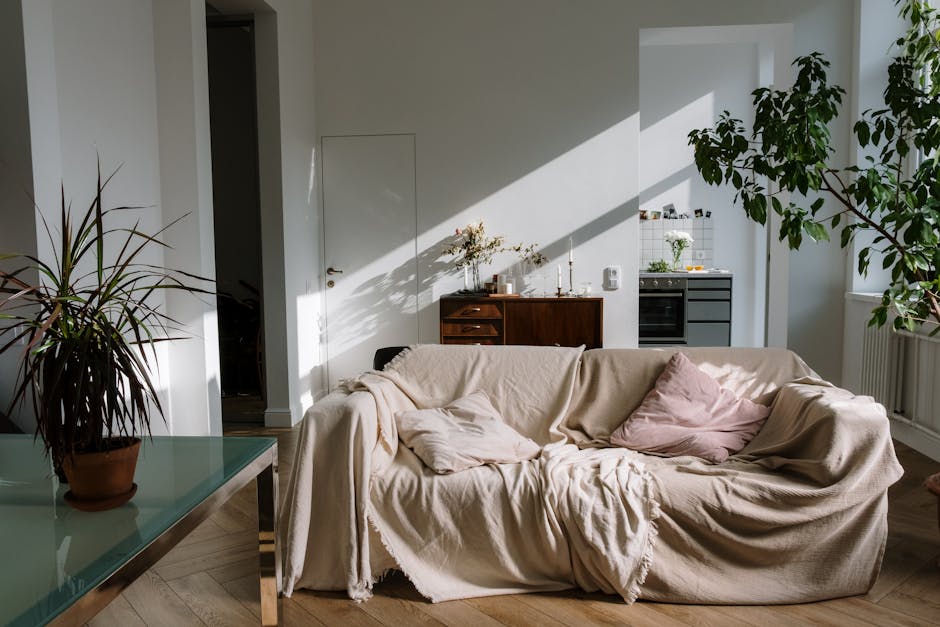
The Art of Creating Serene Living Spaces for Modern Life
In an era defined by constant connectivity and digital overload, restful living spaces have become more than just a luxury—they are essential for maintaining mental clarity, emotional balance, and physical well-being. The concept of designing environments that promote relaxation has evolved from simple interior design choices to a holistic lifestyle approach.
This guide explores how intentional design decisions can transform homes into sanctuaries of calm, offering practical strategies that align with modern lifestyles while honoring traditional principles of comfort and harmony. From spatial organization to sensory elements, every aspect contributes to cultivating peace within our personal domains.
Understanding the Science Behind Restful Environments
Recent advancements in environmental psychology reveal fascinating connections between our surroundings and physiological responses. Studies conducted at leading institutions show that specific spatial configurations can significantly impact stress levels and cognitive performance.
Researchers at Stanford University found that natural light exposure during daytime hours reduces cortisol production by up to 28%, demonstrating the powerful relationship between environment and biological processes. This scientific validation reinforces the importance of integrating nature-inspired designs into contemporary living spaces.
Acoustic research further underscores the significance of soundscapes in promoting tranquility. A study published in the Journal of Environmental Psychology revealed that ambient noise levels below 45 decibels enhance concentration and reduce anxiety by over 35% compared to higher noise environments.
- Natural Light Optimization: Strategic window placement and reflective surfaces maximize daylight penetration without compromising privacy
- Sensory Balance: Combining visual aesthetics with tactile materials creates multi-sensory experiences that foster psychological comfort
- Bio-mimicry Design: Incorporating organic shapes and patterns mirrors nature’s calming influence on human physiology
- Air Quality Management: Integrating indoor plants and air-purifying technologies enhances both respiratory health and mental alertness
Cultivating Calm Through Spatial Organization
Evidence-based approaches to space management demonstrate that organized environments contribute significantly to overall well-being. A Harvard Business Review analysis showed that individuals working in clutter-free spaces report 39% fewer distractions and improved task efficiency.
Applying these findings to residential settings reveals clear benefits for daily life quality. By implementing structured storage solutions and minimizing visual chaos, homeowners can create environments conducive to mindfulness and presence.
Decluttering rituals extend beyond mere tidying; they represent conscious choices about what we prioritize in our lives. When we curate our possessions intentionally, we reflect our values through the objects that surround us.
Creating designated zones for different activities helps establish boundaries that support healthy habits. For instance, separating work areas from relaxation spaces prevents burnout and promotes work-life balance.
Implementing the KonMari method emphasizes keeping only items that spark joy—a principle that extends beyond material possessions to include relationships, routines, and even thoughts.
Regular maintenance schedules prevent accumulation of unnecessary items. Allocating time each week for organizing ensures sustained serenity rather than periodic bursts of cleaning frenzy.
Design Principles That Promote Relaxation
Architectural choices play a crucial role in shaping our experience of space. Open floor plans encourage social interaction but may compromise privacy needs, requiring careful consideration of room divisions.
Biophilic design principles incorporate natural elements such as wood, stone, and greenery to create biologically responsive interiors. Research indicates that people exposed to such environments exhibit lower heart rates and reduced blood pressure after just 20 minutes.
Color theory offers valuable guidance for creating soothing atmospheres. Soft earth tones and muted pastels have been shown to decrease agitation levels when used appropriately across various rooms.
Texture selection impacts not only aesthetics but also tactile engagement with surroundings. Natural fibers like wool and cotton provide comforting sensations that complement visual appeal.
Furniture arrangement affects movement flow and visual continuity. Thoughtfully placed pieces facilitate easy navigation while avoiding cramped layouts that induce stress.
Lighting strategies combine natural illumination with carefully selected artificial sources to maintain consistent ambiance throughout changing conditions.
The Role of Lighting in Emotional Well-being
Scientific studies confirm that lighting influences circadian rhythms and mood regulation. Exposure to blue-enriched white light during mornings boosts alertness, while warmer hues before bedtime support melatonin production.
A 2022 meta-analysis published in Nature Human Behaviour demonstrated that dynamic lighting systems—capable of adjusting color temperature and intensity—can increase sleep quality by up to 40% when properly calibrated.
Layered lighting approaches allow customization based on activity type. Task lighting focuses attention on specific projects, whereas ambient lighting sets general moods without overwhelming the senses.
Dimmer switches offer flexibility in adapting brightness according to needs. This adaptability supports transitions between different states of consciousness throughout the day.
Integrating Nature Elements Into Interior Spaces
Bringing elements of the outdoors inside fosters a connection to nature that improves mental resilience. Indoor gardens not only purify air but also serve as meditative focal points that anchor occupants in the present moment.
Botanical integration goes beyond houseplants; incorporating natural textures like woven baskets, wooden furniture, and stone accents mimics outdoor environments within enclosed spaces.
Selecting appropriate plant species based on light requirements and maintenance preferences ensures long-term success. Low-light tolerant varieties thrive in shaded corners where sunlight might be limited.
Water features add auditory stimulation that complements visual elements. Even small tabletop fountains can create soothing background sounds that enhance relaxation efforts.
Maximizing views of external landscapes increases feelings of spaciousness and openness. Large windows framed with minimalistic treatments preserve unobstructed sightlines toward nature.
Seasonal changes in botanical displays maintain freshness and variety in decor. Rotating plants and flowers keeps interiors vibrant while supporting ongoing care routines.
Soundscaping Techniques for Tranquil Living
Thoughtful audio design transforms ordinary spaces into havens of acoustic comfort. Background music selections tailored to individual preferences can dramatically affect perceived relaxation levels.
White noise machines mimic natural sounds like rain or ocean waves to mask disruptive noises. These devices help maintain consistent auditory environments regardless of external disturbances.
Carpeting and soft furnishings absorb excess sound energy, reducing echo effects that cause auditory fatigue. Textured wall coverings similarly dampen unwanted reverberations.
Strategic placement of bookshelves along walls serves dual purposes: providing storage and acting as sound diffusers that soften harsh acoustics.
Digital noise cancellation technology offers personalized control over listening environments. Smart speakers equipped with AI algorithms can adjust sound profiles automatically based on detected situations.
Customizable sound masking options allow residents to fine-tune their auditory landscape according to current needs and moods.
Promoting Mindfulness Through Everyday Rituals
Routine practices cultivate awareness that permeates all aspects of living. Morning meditation sessions set positive intentions for the day ahead, establishing a foundation for mindful behavior.
Evening wind-down rituals signal the body’s transition to rest mode. Activities like reading, journaling, or gentle stretching prepare both mind and muscles for sleep.
Simple acts like preparing meals with intention transform mundane tasks into opportunities for presence. Focusing fully on cooking ingredients and techniques turns nourishment into a mindful practice.
Setting aside dedicated times for reflection strengthens self-awareness and emotional intelligence. Regular check-ins with oneself help identify patterns worth maintaining or modifying.
Mindful consumption involves being aware of food choices, media intake, and shopping behaviors. Conscious decision-making leads to greater satisfaction and less post-consumption regret.
Gratitude exercises reinforce positive emotions that naturally counterbalance stressors encountered throughout the day. Keeping a gratitude journal trains the brain to notice blessings instead of focusing solely on challenges.
Creating Personalized Sanctuaries Within Shared Spaces
Co-living arrangements require creative approaches to ensure private retreats exist even in shared environments. Customizable partitions offer flexible solutions that respect individual boundaries without permanent structural modifications.
Personalization elements like curated artwork collections express identity within communal areas. Selecting meaningful visuals adds character while respecting others’ sensitivities.
Noise-reducing curtains filter out excessive sound from adjacent units, preserving quietude necessary for deep restorative sleep periods.
Private seating nooks provide temporary escape zones where individuals can recharge away from common traffic areas.
Storage solutions designed for discreet access allow personal belongings to remain hidden yet readily available when needed.
Virtual reality headsets enable immersive escapes that simulate tranquil environments when physical solitude isn’t possible. These digital sanctuaries offer alternative ways to achieve mental respite.
The Impact of Technology on Restful Living
Smart home automation presents both opportunities and challenges for creating serene living environments. Voice-controlled assistants streamline household tasks while potentially disrupting moments meant for stillness.
Internet-connected appliances introduce convenience at the cost of increased screen time and notifications. Balancing technological assistance with deliberate disconnection becomes critical for maintaining inner peace.
Blue light filters on electronic devices mitigate negative effects of prolonged screen exposure. Adjusting display settings to emit warmer tones especially during evening hours supports better sleep hygiene.
Automated shading systems regulate natural light intake based on pre-set parameters. While efficient, manual overrides occasionally prove beneficial for spontaneous adjustments to lighting needs.
Digital detox protocols involve scheduled periods free from device usage to restore attention spans and deepen interpersonal connections. Implementing such routines requires thoughtful planning and commitment.
Wearable tech monitoring sleep cycles provides data-driven insights into rest quality. However, relying too heavily on quantitative metrics risks undermining intuitive understanding of personal needs.
Community Building Through Shared Wellness Initiatives
Collective wellness programs strengthen neighborhood bonds while enhancing individual well-being. Yoga classes held in common areas create opportunities for mutual support and learning.
Gardening cooperatives promote physical activity and environmental stewardship simultaneously. Community plots allow residents to share knowledge about sustainable horticulture practices.
Meditation circles provide safe spaces for exploring mindfulness together. Group participation often makes the practice feel less intimidating for newcomers.
Wellness workshops covering topics like nutrition, fitness, and mental health empower participants with practical skills applicable to daily life.
Shared library resources expand access to educational materials that support continuous learning journeys. Book exchanges foster intergenerational interactions and cultural exchange.
Volunteer initiatives tied to local causes instill purpose and civic responsibility among residents. Contributing to community development strengthens social cohesion and collective efficacy.
Conclusion
The pursuit of restful living spaces represents a profound investment in personal and communal well-being. As explored throughout this discussion, transforming homes into sanctuaries of calm requires intentional effort across multiple dimensions—including spatial configuration, sensory environments, and behavioral habits.
By applying these principles thoughtfully, individuals can cultivate living environments that truly reflect their aspirations for peaceful existence. Remember, the journey towards serenity is ongoing—one filled with discovery, adaptation, and growth. Embrace the process with curiosity and patience, knowing that each step brings you closer to the ideal sanctuary you envision.