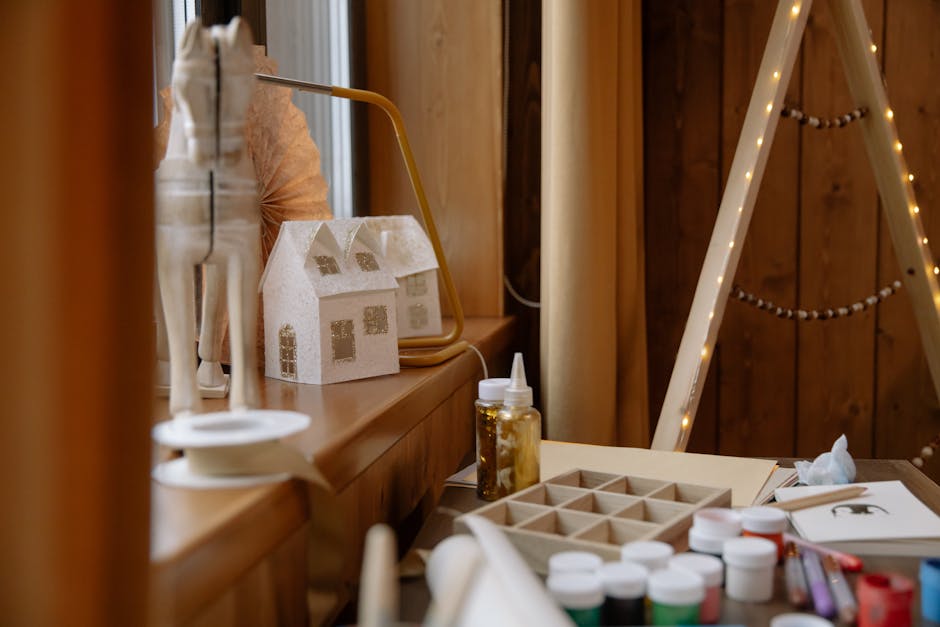
The Art of Crafting Serene Spaces: A Deep Dive Into Soothing Atmospheres
In an era defined by constant digital stimuli and relentless pace, creating spaces that evoke calm has become essential. Whether you’re seeking solace at home, finding peace during travel, or simply yearning for moments of tranquility in your daily life, understanding how to cultivate soothing environments can transform ordinary settings into sanctuaries of serenity.
This exploration delves beyond superficial aesthetics to uncover the science behind what makes certain atmospheres inherently calming. We’ll examine environmental elements—from natural light patterns to carefully chosen scents—that contribute to psychological well-being through their impact on our nervous system’s response mechanisms.
Understanding the Science Behind Calming Environments
Serotonin levels naturally increase when we are exposed to moderate sunlight, which explains why many people feel more relaxed after spending time outdoors. This biochemical reaction is not merely anecdotal; research from Harvard Medical School confirms that regular exposure to natural light significantly reduces symptoms associated with seasonal affective disorder.
Similarly, studies conducted at Stanford University have shown that low-frequency sounds below 60 decibels promote alpha brain wave activity linked to relaxation states. These findings suggest that ambient noise levels play as critical a role in atmosphere creation as visual components do.
- Natural Light: Exposure to daylight regulates circadian rhythms and improves mood regulation through vitamin D synthesis
- Sound Frequency: Low-volume background music (around 50-60 dB) stimulates parasympathetic nervous system responses
- Air Quality: Fresh air circulation reduces carbon dioxide buildup that impairs cognitive function and increases stress hormone production
The Role of Color Psychology In Creating Peaceful Settings
Color choices profoundly influence emotional states due to their association with different experiences and memories. Soft pastel shades such as lavender and mint green create feelings of safety and comfort because they resemble natural landscapes found in tranquil environments.
Research published in the Journal of Environmental Psychology indicates that blue hues specifically lower heart rates and reduce blood pressure. This effect is particularly noticeable in healthcare facilities where these colors are strategically used to aid patient recovery processes.
Cultural Contexts Of Color Perception
Different cultures interpret color symbolism uniquely—white signifies purity in Western societies but represents mourning in some Asian traditions. Understanding these nuances becomes crucial when designing universally appealing serene spaces that respect diverse backgrounds while maintaining core calming properties.
Interior designers often employ monochromatic palettes to avoid overwhelming the senses. By using varying intensities within a single hue spectrum, they achieve depth without sacrificing simplicity—an approach proven effective across both residential and commercial applications.
Design Elements That Foster Relaxation
Furniture arrangement plays a pivotal role in shaping atmospheric quality. Open floor plans encourage airflow movement yet may lack intimacy unless balanced with appropriately sized seating areas. Thoughtfully placed cushions and throw blankets add tactile warmth that complements visual aesthetics effectively.
Textured surfaces enhance sensory engagement without competing for attention. Natural materials like wood grain or woven fibers introduce subtle variations that engage the sense of touch, contributing to overall relaxation through multisensory stimulation.
Lighting fixtures should provide adjustable brightness options to accommodate changing moods throughout the day. Dimmable lamps allow users to transition seamlessly between work-focused illumination and restorative darkness depending on their immediate needs.
Biophilic design principles emphasize connection with nature through indoor plants and water features. Incorporating living elements into built environments has been scientifically validated to decrease cortisol levels by up to 30% according to NASA’s Clean Air Study data.
The Impact Of Nature Integration On Mental Wellbeing
Introducing organic elements into interior spaces creates a subconscious link to the outside world. Even minimal representations such as potted herbs near windowsills activate neural pathways associated with outdoor activities, triggering involuntary relaxation responses similar to those experienced in actual forested areas.
Water features generate soothing white noise that masks disruptive urban sounds. Fountain displays ranging from gentle trickles to cascading streams offer versatile auditory companionship adaptable to various personal preferences regarding sound intensity levels.
Gardening activities themselves serve dual purposes—as both physical exercise and therapeutic practices. Engaging with soil triggers endorphin release while nurturing plant growth provides measurable improvements in concentration abilities and memory retention capacities over extended periods.
Creating Personalized Sanctuaries At Home
Home environments benefit immensely from customized atmosphere engineering tailored to individual lifestyles. For instance, avid readers might prioritize bookshelves arranged around reading nooks featuring comfortable armchairs positioned away from direct sunlight sources to prevent glare distractions.
Kitchens designed for mindful cooking integrate ergonomic layouts with aromatherapy accessories. Strategically placing spice racks next to ventilation systems ensures pleasant scent diffusion during meal preparation—a practice supported by clinical evidence showing olfactory stimuli can alter emotional perception rapidly.
Bathroom sanctuaries utilize steam showers combined with chromotherapy lighting schemes. These combinations stimulate multiple physiological reactions simultaneously—muscle relaxation via heat therapy alongside mood enhancement through colored light wavelengths targeting specific brain regions responsible for emotional processing.
Technological Innovations Enhancing Calming Spaces
Smart home technology now offers unprecedented control over environment customization. Programmable thermostats adjust room temperatures automatically based on occupancy sensors detecting human presence patterns, optimizing thermal comfort efficiently without manual intervention required.
Voice-activated assistants manage multi-device synchronization tasks effortlessly. Users can command dimmer switches, audio systems, and climate controls simultaneously through simple verbal cues integrated into everyday routines seamlessly enhancing convenience factors.
Holistic wellness apps monitor sleep cycles and recommend optimal bedroom ambiance configurations accordingly. These tools analyze snoring frequencies along with mattress firmness parameters to suggest personalized adjustments aimed at improving rest quality systematically over weeks rather than abrupt changes likely causing discomfort initially.
Community-Based Approaches To Shared Tranquility
Park designs increasingly incorporate designated meditation zones equipped with cushioned seating arrangements facing inward toward central focal points like trees or sculptures. Such deliberate spatial organization encourages mindfulness exercises among passersby who might otherwise overlook opportunities for self-reflection amidst hurried commutes.
Public libraries implement quiet study pods insulated acoustically against external disturbances. These enclosed compartments enable focused learning sessions free from ambient noises typically present in open-plan library structures thereby supporting academic performance metrics positively impacted by reduced auditory interruptions.
Urban planners advocate for green corridors connecting neighborhoods to nearby parks promoting active transportation modes beneficial mentally and physically alike. Regular walks through these verdant pathways facilitate social interactions organically while exposing individuals continuously to nature’s calming effects reinforcing long-term mental resilience benefits.
The Psychological Benefits Of Consistent Calming Practices
Maintaining consistent rituals surrounding atmosphere management fosters predictability vital for psychological stability. Morning routines involving morning sun exposure followed by brief stretching sessions establish reliable anchors within chaotic schedules helping regulate internal clocks accurately aligning them with external realities.
Evening wind-down sequences combining soft lighting transitions with instrumental music playlists gradually signal body tissues preparing for sleep mode biologically. These structured routines reinforce healthy circadian rhythm patterns reducing insomnia occurrences substantially when practiced regularly without exception.
Weekly self-care days dedicated solely to environment renewal refreshes mental faculties depleted by routine obligations. Cleaning out clutter visually simplifies cognitive load while reorganizing belongings according to purpose enhances functional efficiency indirectly contributing to improved mental clarity outcomes consistently measured post-intervention.
Overcoming Challenges In Establishing Soothing Environments
Modern living presents unique challenges when attempting to maintain peaceful surroundings. Urban dwellers dealing with high-rise apartments face limitations regarding access to fresh air and expansive views necessary for complete immersion in serene conditions typically available only in rural locations.
Noise pollution remains pervasive despite technological advancements aimed at mitigating its effects. Innovative solutions include double-glazed window panes absorbing street-level vibrations effectively coupled with white-noise generators masking residual disturbances ensuring uninterrupted relaxation even amid bustling metropolis exteriors.
Limited space constraints necessitate creative problem-solving approaches when designing compact residences capable of housing multifunctional furniture pieces serving dual roles depending upon temporal requirements making efficient use of square footage precious resources within densely populated cities.
Conclusion
Crafting serene environments requires intentional effort guided by scientific understanding of how humans interact with their surroundings emotionally and physiologically. From architectural decisions influencing spatial dynamics to minute details affecting sensory perceptions—all contribute collectively towards achieving desired tranquility outcomes.
By embracing both traditional wisdom rooted in centuries-old cultural practices alongside contemporary innovations addressing modern lifestyle complexities, individuals can successfully curate bespoke atmospheres conducive to sustained well-being across varied contexts spanning domestic interiors to communal public spaces.

news is a contributor at ApexRest. We are committed to providing well-researched, accurate, and valuable content to our readers.